郭德纲被立案2天再遇麻烦,艺人法律风险有哪些?律师解读名誉权与合同纠纷
Introduction: Guo Degang's troubles are more than just entertainment news.
Recently, the news that renowned crosstalk performer Guo Degang has been placed under investigation has drawn public attention, and just two days later, he was reported to be involved in new legal disputes. Although the specific details of the cases have not been fully disclosed, this series of events has once again made "legal risks for entertainers" a focal point of public discussion. From a legal perspective, whether it is being placed under investigation or the subsequent "new troubles," these may involve common legal issues such as defamation of reputation, contract disputes, and intellectual property conflicts. This article will analyze the legal logic behind such incidents from a lawyer's perspective, referencing the Civil Code and relevant judicial interpretations, and provide practical legal advice for public figures and ordinary individuals alike.
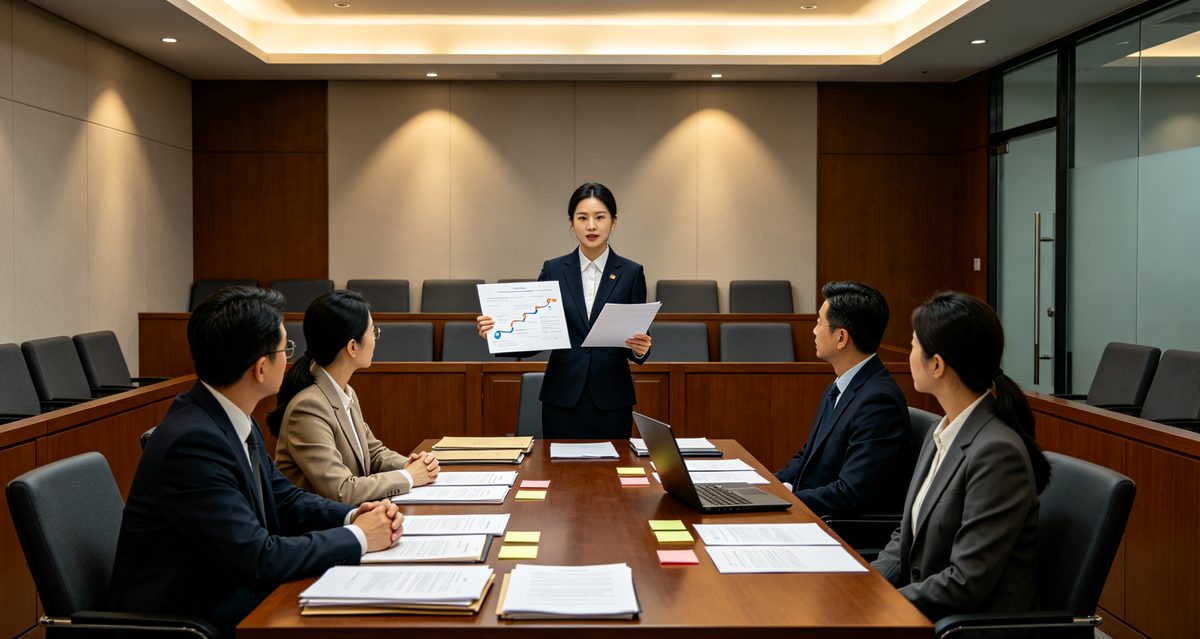
First, what does being placed on file for investigation mean? Legal procedures versus public misunderstanding.
"Being placed on file" is a specific procedural step in law, but the public often misunderstands it. According to Article 119 of the Civil Procedure Law, filing a case is a formal review stage in which the court accepts a case. As long as the plaintiff's lawsuit meets the conditions, the court will file the case. This does not mean that the defendant has necessarily committed any wrongdoing, let alone equate to a "conviction." In the Guo Degang incident, the filing may have arisen from a civil dispute, such as a defamation or contract dispute, rather than a criminal offense.
In legal practice, many clients become anxious as soon as they hear the word "case filed," but there is really no need to worry. After a case is filed, the defendant has a statutory period for filing a response, during which they can retain a lawyer to prepare for the defense. If the opposing party's lawsuit lacks factual or legal basis, it is entirely possible to rebut it with evidence, or even file a counterclaim. Therefore, the public and parties involved should view the term "case filed" rationally—it is merely the starting point of legal proceedings, not the outcome.
II. The "New Troubles" for Artists: The Dual Test of Reputation Rights and Contract Disputes
Guo Degang encountered new trouble within two days of the case being filed, a situation not uncommon among entertainers. Common legal disputes include:
### 1. Reputation Infringement: The Boundaries of Speech and Legal Red Lines
Article 1024 of the Civil Code stipulates that civil subjects enjoy the right to reputation, and no organization or individual may infringe upon another's right to reputation through means such as insult or defamation. As public figures, entertainers' right to reputation is subject to certain restrictions, but this does not mean it can be arbitrarily violated. In judicial practice, courts generally apply the principle of "public figures' duty of tolerance," meaning that criticism of public figures generally does not constitute infringement as long as it does not involve malicious fabrication of facts. However, if statements exceed reasonable limits, such as spreading false information or maliciously disparaging others, tort liability may be incurred.
If the "new trouble" in the Guo Degang incident involves the right to reputation, the key lies in determining whether the relevant statements have "factual basis" and "subjective malice." Lawyers suggest that when public figures encounter reputation disputes, they should promptly preserve evidence (such as screenshots or recordings) and assess whether the statements reach the level of "serious factual inaccuracy" or "insult" before deciding whether to initiate litigation.
### 2. Contract Disputes: The "Hidden Reefs" in Performances, Endorsements, and Collaborations
Artists often find themselves in disputes due to vague contract terms or performance-related conflicts. Article 577 of the Civil Code stipulates that if a party fails to perform its contractual obligations or performs them in a manner inconsistent with the agreement, it shall bear liability for breach of contract, including continued performance, compensation for losses, and other remedies. In the entertainment industry, performance contracts, endorsement agreements, and management contracts each have their own unique characteristics, such as force majeure clauses for show cancellations or exclusivity clauses in endorsement deals, all of which can become focal points of contention.
In legal practice, when handling artist contract disputes, key attention must be paid to reviewing the "force majeure," "liability for breach of contract," and "dispute resolution" clauses in the contract. For example, if a performance is canceled due to policy or health reasons, does this constitute force majeure? If the counterparty breaches the contract, how should actual damages be calculated? These issues all require professional legal judgment. If Guo Degang were to face a contract dispute, his legal team would focus on the contract text and performance evidence in their legal maneuvering.
III. Legal Risk Response Strategies for Public Figures and Ordinary Individuals
Whether it's Guo Degang or an ordinary person, legal risks are everywhere. From a lawyer's perspective, the following suggestions are worth paying attention to:
### 1. Preservation of Evidence: The Foundation of Rights Protection
Article 63 of the Civil Procedure Law specifies the types of evidence, including documentary evidence, physical evidence, electronic data, and others. In disputes over the right to reputation, electronic evidence such as web page screenshots, chat records, and audio or video recordings is crucial. It is recommended that public figures and ordinary individuals, upon discovering potential disputes, promptly preserve evidence through notarization or trusted timestamping methods to prevent the loss of evidence.
### 2. Responding to Litigation Appropriately: Do Not Avoid, Do Not Delay
Once sued, responding is the only way out. Avoiding or delaying may result in a default judgment, which is unfavorable to your side. Lawyers advise that after receiving a court summons, you should file a statement of defense within the statutory time limit and actively gather counter-evidence. If necessary, you may file a counterclaim to turn defense into offense. For example, if the other party is engaged in malicious litigation, you can argue that they have abused their litigation rights and claim compensation for damages.
### 3. Daily Compliance: Contract Review and Risk Prevention
For artists and businesses, establishing a contract review mechanism is crucial. Before signing, a lawyer should be engaged to review the terms, clarifying rights and obligations, liability for breach, and dispute resolution methods. For instance, in performance contracts, clauses such as "cancellation of the performance due to the artist's health issues or force majeure shall not be deemed a breach" can be included to reduce disputes. For ordinary individuals, when signing labor contracts, housing lease agreements, and similar documents, they should also carefully read the terms to avoid "pitfalls."
IV. The Role and Value of Lawyers in Artists' Legal Affairs
The escalation of the Guo Degang incident highlights the importance of professional lawyers in legal matters concerning entertainers. Lawyers can not only represent clients in litigation but also provide non-litigation services such as contract drafting, risk assessment, and crisis public relations. In defamation disputes, lawyers can issue cease-and-desist letters to warn infringing parties or seek injunctions during litigation to halt the infringement. In contract disputes, lawyers can assist in negotiations, strive for settlements, or resolve disputes through arbitration or litigation.
Taking Guangdong Zhiming Law Firm as an example, it has extensive experience in resolving civil and commercial disputes, having represented numerous cases involving reputation rights and contract disputes. The legal team emphasizes the construction of evidence chains and excels at extracting key legal points from complex facts to secure the best interests of clients. For public figures, the firm also offers customized legal advisory services to help them mitigate legal risks in their entertainment activities.
V. Conclusion: The law is the bottom line for resolving problems and also the armor for protecting oneself.
Guo Degang's "troubles" may only be the tip of the iceberg, but they remind us that in a society governed by the rule of law, no matter how great one's fame, one must respect the law. For public figures, their words and actions should strictly adhere to the boundaries of law and morality; for ordinary people, understanding basic legal knowledge and seeking professional help when issues arise are key to protecting their own rights and interests.
If you find yourself in a similar dispute, there is no need to panic. Consult a lawyer promptly and respond rationally. The law does not favor anyone, but it protects everyone who acts in accordance with it. Guangdong Zhiming Law Firm is willing to provide every client with professional and compassionate legal support, helping you resolve risks within the legal framework and safeguard your lawful rights and interests.