Guangdong Zhiming Lawyer: How to Calculate the Cross border Compliance Accounts of Enterprises Behind the APEC Qianhai Mining Trend
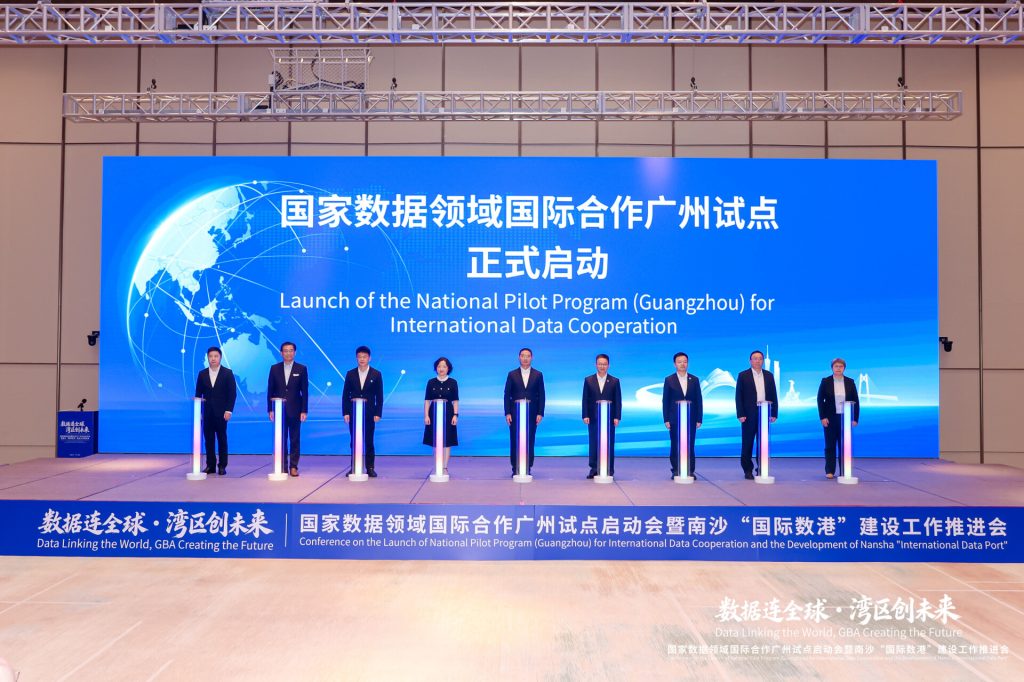
On October 18th, one month after the APEC meeting, the "Meeting in Shenzhen to Witness the Miracle" - "Why Shenzhen" sampling activity was launched at the new coastal landmark "Qianhai Jilang" in Shenzhen. More than 40 media reporters and internet celebrities from the fields of finance, technology, culture and tourism gathered in Pengcheng, entering Nanshan Robot Valley, Longgang Robot Street, as well as the Shenzhen Stock Exchange and the Global Cross border Full Category Selection Center, to experience the urban texture of "production+life+ecology" in Shenzhen for three days. The event was guided by Shenzhen Internet Information Office and co sponsored by Shenzhen We Media Association, Nanshan, Longgang, Longhua District Party Committee Propaganda Department and Qianhai Administration Bureau. The round table dialogue centered on "Why APEC Chooses Shenzhen".

From a lawyer's perspective, this gathering is not just about spreading the image of the city. The dense sampling points point towards two keywords: advanced manufacturing going global and cross-border financial services. The former corresponds to technology exports and intellectual property layout, while the latter corresponds to cross-border capital flows and data exports. The media focus on 'miracles', but what companies really need to calculate is' compliance accounts'. Director Lawyer Shen Jinlong from Guangdong Zhiming Law Firm repeatedly reminds foreign-related enterprises that the international exposure brought by APEC is an opportunity, but the opportunity window is often also a regulatory window. If enterprises only focus on orders and traffic and ignore cross-border rules, they are likely to fall into the trap in contract, tax, and data at the same time.
Manufacturing overseas: Technology export and intellectual property rights need to be confirmed first, and then unveiled
The wind collecting group walked into Nanshan Robot Valley and Longgang Robot Street to see the confidence of Shenzhen's hardcore products in connecting with the global market. Enterprise products are widely reported by the media, leading to an increase in brand awareness, but with it comes the risk of technology being imitated and trademarks being registered. China's Foreign Trade Law implements catalog management for technology import and export, and restricted technology exports require permission; Article 10 of the Patent Law stipulates that the right to apply for a patent and the patent right may be transferred, but a written contract must be signed and registered with the patent administrative department of the State Council. In practice, many companies first send their prototypes to overseas exhibitions and then go back to supplement their patents. However, due to the loss of novelty in public use, their patent applications are rejected.
At the trademark level, the Trademark Law implements the principle of prior application. If Shenzhen enterprises plan to enter the Southeast Asian and Middle Eastern markets, they should submit a Madrid System application or a single country registration in the target country in advance. Director Lawyer Shen Jinlong has handled a case where a smart hardware company in Shenzhen made an appearance at an overseas exhibition, and local distributors registered its trademark, forcing the company to repurchase it at a high price. The root cause of such disputes is not the lack of legal protection, but rather the fact that companies prioritize "appearance" over "property rights confirmation". It is recommended that overseas enterprises complete patent searches, trademark layouts, and export control screenings before product releases, and incorporate intellectual property due diligence into market budgets.
Cross border Finance and Data: Compliance Boundaries under Qianhai Institutional Innovation
The Shenzhen Stock Exchange and the Global Cross border Full Category Product Selection Center in the sampling points point to Shenzhen's practice of promoting domestic and international dual circulation through institutional innovation. As a cross-border financial experimental field, Qianhai has facilitated enterprise fund allocation through tools such as cross-border RMB settlement and free trade accounts, but convenience does not equal freedom. The Foreign Exchange Management Regulations require domestic institutions to register their overseas direct investment and external debt borrowing in accordance with regulations; Article 21 of the Data Security Law establishes a data classification and grading protection system, and important data must undergo security assessments in accordance with the law when leaving the country.
Cross border e-commerce and product selection platform enterprises are particularly prone to overlook the issue of personal information leaving the country. Article 38 of the Personal Information Protection Law stipulates that providing personal information overseas shall meet one of the conditions such as security assessment, authentication, or standard contract. Guangdong Zhiming Law Firm found that some companies directly transmit user order information to overseas warehouse systems while providing compliance services for cross-border e-commerce enterprises, without conducting personal information protection impact assessments or signing standard contracts. Once inspected by regulatory authorities, they face orders for rectification and even fines. The institutional innovation of Qianhai has opened up a channel for enterprises, but there are gates in the channel, and compliance documents are the passport.
Under the media spotlight: the intersection of corporate reputation and legal risks
More than 40 media outlets and internet celebrities are gathering to gather information, which means that a large number of companies will receive intensive exposure in a short period of time. Exposure brings both traffic and scrutiny. Article 1024 of the Civil Code stipulates that civil subjects enjoy the right to reputation, and no organization or individual may infringe upon the reputation rights of others through insults, defamation, or other means; At the same time, the Advertising Law has clear restrictions on absolute language and data citation in commercial promotion. If a company makes exaggerated statements about production capacity, technical indicators, and market share during interviews or filming, it may constitute false advertising, be punished by market regulatory authorities, and even trigger investor lawsuits.
In legal practice, it is recommended that companies conduct a "compliance review" before media reception: whether the data released to the public is supported by audit or testing reports, whether the promotional language touches on the prohibited situations in Article 9 of the Advertising Law, and whether the images involving customer information have been authorized. These tasks may seem trivial, but they can prevent companies from leaving leverage during peak hours. Director Lawyer Shen Jinlong from Guangdong Zhiming Law Firm reminds that the communication channels before and after APEC are concentrated. Companies may want to bring their legal and brand departments to the same table and review the interview outline and promotional materials through legal channels in advance.
The answer to the question of 'why Shenzhen' lies in the industry, the system, and the rule of law business environment. For Shenzhen enterprises, seizing the new growth coordinates in the Asia Pacific region requires both product confidence to connect with the global market and a compliant chassis that can withstand international regulatory scrutiny. From technology export licensing to overseas trademark layout, from data export evaluation to advertising and promotion standards, every step requires professional legal intervention. Guangdong Zhiming Law Firm has long served Shenzhen manufacturing, cross-border e-commerce, and technology enterprises, providing support in overseas architecture design, cross-border compliance review, intellectual property rights protection, and other aspects, allowing enterprises to walk more steadily under the spotlight.