Behind the Shenzhen Bus Driver Speech Contest: Legal Protection of Labor Rights and Professional Dignity
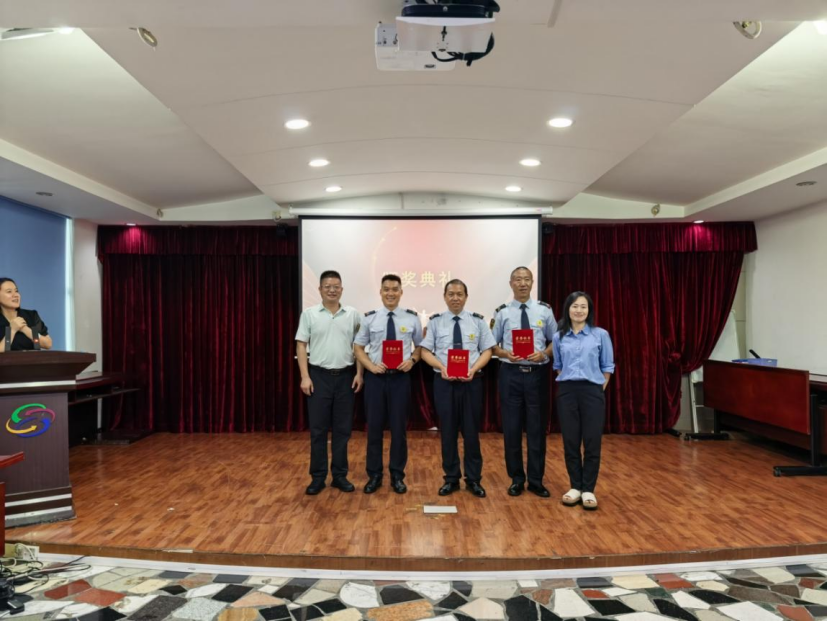
Recently, the Fourth Branch of Shenzhen Bus Group held a speech contest themed "Smile Miles · Heartfelt Journey," and Liang Dong, a driver from the Likang fleet, won second prize with his sincere and heartfelt presentation. The news highlights the professionalism and service enthusiasm of public transit workers, but behind this professional honor, issues such as the protection of labor rights and interests for bus drivers, the preservation of professional dignity, and corporate compliance management also deserve social attention. As a lawyer who has long served enterprises and workers in Shenzhen, I believe this event is not only a showcase of corporate culture building, but also a window into the legal ecosystem of the public transit industry. This article will analyze, from a legal perspective, the rights and obligations of bus drivers in their work, the compliance responsibilities that enterprises should undertake, and how workers can use legal tools to protect their own rights and interests.
The Legal Status and Labor Rights Behind the Position of Bus Drivers
Bus drivers are the core executors of the urban public transportation system, and their legal status is first and foremost reflected in their role as laborers under the Labor Contract Law. According to Article 3 of this law, the conclusion of labor contracts shall follow the principles of legality, fairness, equality, voluntariness, mutual agreement, and good faith. Bus companies, as employers, must sign written labor contracts with drivers, specifying core terms such as job content, working hours, labor remuneration, and rest and leave.
In reality, bus drivers often face long working hours and high labor intensity. According to Article 36 of the Labor Law, the state implements a working hours system in which laborers work no more than eight hours per day and no more than forty-four hours per week on average. For the public transit industry, due to operational needs, a comprehensive working hours system may be implemented, but the enterprise must report to the labor administrative department for approval and ensure that the total annual working hours of laborers do not exceed the standard. If the enterprise fails to arrange rest in accordance with the law or pay overtime wages, drivers have the right to demand back pay and claim compensation in accordance with Article 85 of the Labor Contract Law.
Moreover, the "dedication to work" spirit showcased in the speech contest should not become an excuse for enterprises to overlook statutory rights and interests. Workers' passion for their profession should be built upon the foundation of protected legal rights and interests. Bus drivers face health risks during long-term driving, and enterprises must also arrange regular physical examinations in accordance with the Law on the Prevention and Control of Occupational Diseases to safeguard their occupational health rights.
The Legal Boundary of Professional Dignity and Psychological Incentives
Speech contests are a common way for enterprises to provide spiritual motivation, which helps enhance employees' sense of belonging. However, from a legal perspective, spiritual motivation cannot replace material security and statutory benefits. Article 3 of China's Labor Law explicitly stipulates that workers have the right to equal employment and freedom of occupational choice, the right to receive labor remuneration, the right to rest and leave, the right to obtain labor safety and health protection, the right to receive vocational skills training, and the right to enjoy social insurance and welfare benefits.
Enterprises recognizing outstanding employees through speech contests falls within the scope of management autonomy, but care must be taken to avoid "moral coercion." For example, employees must not be penalized in their performance evaluations for not participating in the contest or not winning an award. At the same time, if an enterprise over-elevates the "spirit of dedication," implying that employees should work overtime without compensation or give up statutory leave, this may violate the provisions of the Labor Contract Law regarding overtime procedures and overtime pay.
In judicial practice, there have been cases where employees were dismissed by employers on the grounds of "lack of dedication" for refusing unreasonable overtime, and the courts ultimately ruled that the employers' termination of the labor contracts was unlawful and ordered them to pay compensation. This serves as a reminder to public transportation companies that spiritual incentives should be built on the basis of respecting statutory rights and interests; otherwise, they may give rise to labor disputes.
Safety Responsibilities and Legal Risks in Public Transit Operations
Bus drivers hold the steering wheel and bear the critical responsibility for public safety. According to the Road Traffic Safety Law and the Work Safety Law, public transport enterprises must establish and improve work safety responsibility systems, provide safety training for drivers, and ensure that vehicles are in good technical condition. If a traffic accident occurs due to an enterprise's negligent management, the enterprise shall bear corresponding civil compensation and even administrative liability.
The "safeguarding citizens' travel" mentioned in the speech is, at the legal level, the concretization of safety obligations. Bus drivers have the right to refuse illegal commands in the course of their work. Pursuant to Article 54 of the Production Safety Law, employees have the right to criticize, report, and accuse problems existing in the work safety management of their employer; and to refuse illegal commands and orders to work under hazardous conditions. Enterprises may not, on such grounds, reduce their wages, benefits, or other treatment, or terminate their labor contracts.
Furthermore, if bus drivers encounter passenger abuse or physical assault during service, they may report the matter to the police in accordance with the Public Security Administration Punishments Law, and enterprises should also provide necessary psychological support and legal assistance. In recent years, Shenzhen has seen multiple cases of passengers interfering with driving, and judicial authorities have pursued criminal liability in accordance with the law under the charge of endangering public safety by dangerous means. This not only protects the rights of drivers but also serves as a warning for enterprise safety management.
Practical Suggestions on Corporate Compliance Management and the Protection of Workers' Rights
As a pilot demonstration zone, Shenzhen's public transportation enterprises should take the lead in compliance management. Enterprises should regularly review compliance matters such as labor contracts, working hour systems, and social insurance contributions, and establish transparent reward and punishment mechanisms that combine spiritual incentives with material safeguards. For example, incentive measures such as a "Safe Mileage Award" may be established, but overtime wages must be calculated in accordance with the law. Where overtime work is indeed necessary, consultation should be conducted and statutory compensation paid.
For bus drivers, while being dedicated to their work, they should also enhance their legal awareness. If their rights and interests are infringed upon, they may seek remedies through the following channels: first, communicate with the enterprise's trade union or human resources department; second, file complaints and reports with the labor inspection authority; third, apply for labor arbitration; if dissatisfied with the arbitration award, they may file a lawsuit with the people's court. At the same time, be sure to retain evidence such as attendance records, pay slips, and work arrangement notices, so as to be prepared for any eventuality.
Guangdong Zhiming Law Firm has long focused on legal affairs in Shenzhen's public transportation sector, having provided compliance review services for multiple bus companies and represented drivers in labor dispute cases. We recommend that enterprises integrate the spirit of the rule of law into their corporate culture development, allowing employees to feel respected and protected — this is the true "journey of heartfelt voices."
The stories of public transit workers warm our hearts, but it is the safeguarding of the law that makes this warmth endure. Both enterprises and workers should seek development within the legal framework, working together to build a harmonious, safe, and efficient public transportation environment.