Legal Pitfalls in the Wave of Shenzhen Mall Renovations: A Lawyer's Guide to Brand Adjustments, Tenant Contract Terminations, and Consumer Rights
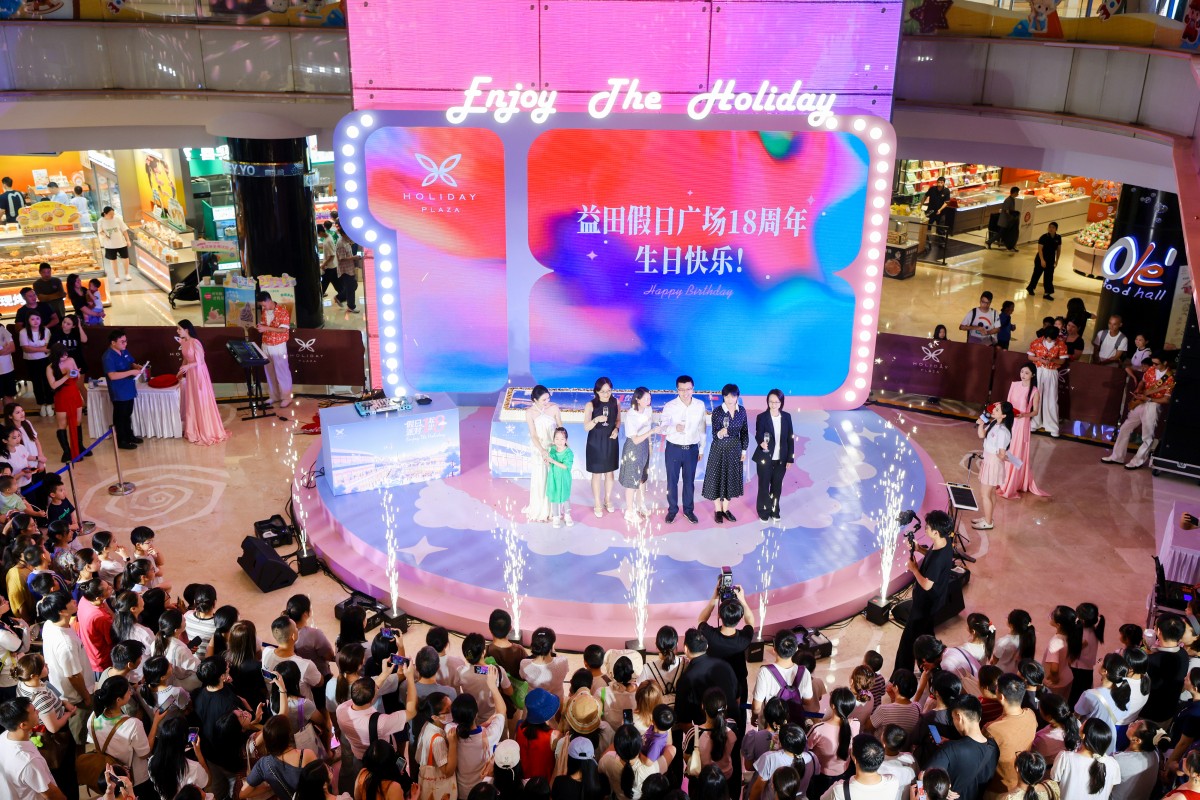
Shenzhen Nanshan Yitian Holiday Plaza has celebrated its 18th anniversary and recently launched a new round of brand and space adjustments, involving the optimization of over a hundred brands, the restructuring of dining areas, and the renovation of public spaces. This commercial event not only reflects consumer trends but also highlights common legal issues in physical retail adjustments: lease contract changes behind brand adjustments, merchant contract termination disputes, consumer rights protection, and the compliance obligations of mall operators. Shenzhen lawyers provide a legal perspective, offering risk prevention and response recommendations for merchants, consumers, and commercial operators.
Changes to Lease Contracts During Shopping Mall Adjustments and Protection of Tenant Rights
In the past year, Nanshan Yitian Holiday Plaza completed adjustments involving over 100 brands, splitting large-area stores into multi-format combinations, a practice that has become common in Shenzhen shopping malls. From a legal perspective, mall adjustments to brand layouts often involve early termination of lease contracts, changes to rental terms, or adjustments to operational format restrictions. Under Article 708 of the Civil Code, the lessor shall deliver the leased property to the lessee as agreed and maintain the leased property in a condition suitable for its agreed use throughout the lease term. If the mall unilaterally requires tenants to relocate or reduce their space, it may constitute a breach of contract and bear corresponding liability.
In practice, shopping center renovations often require existing tenants to terminate leases early or relocate, citing "format optimization" as the reason. In such cases, tenants should focus on reviewing clauses in the lease agreement concerning "format adjustment rights," "early termination conditions," and "renovation compensation." For example, a shopping mall in Shenzhen once required a food and beverage tenant to move to an upper floor during a renovation. The tenant refused on the grounds that the contract did not stipulate such a requirement, and ultimately secured rent reductions and relocation compensation through negotiation. Lawyers advise that tenants should clearly define the triggers for renovation adjustments, compensation standards, and dispute resolution mechanisms when signing contracts, to avoid unfulfilled verbal promises.
Additionally, if the mall's renovation or adjustment affects merchants' operations, such as a short-term decline in foot traffic, merchants may invoke the principle of changed circumstances under Article 533 of the Civil Code to seek renegotiation of rent. However, it should be noted that the threshold for applying the changed circumstances principle is relatively high, as it must be proven that the adjustment exceeds the scope of normal commercial risks. Lawyers in Shenzhen advise merchants to retain evidence such as renovation notices, foot traffic data, and changes in revenue, in preparation for negotiations or litigation if needed.
Consumer Rights Protection: The Right to Information and Safety Obligations in Mall Renovations
Yitian Holiday Plaza has introduced coffee and tea vendors and added rest areas in the sunken plaza, aiming to enhance the consumer experience. However, construction during the renovation may pose safety hazards or cause service interruptions. According to Article 18 of the Consumer Rights Protection Law, business operators shall ensure that the goods or services they provide meet the requirements for safeguarding personal and property safety. If the mall fails to set up warning signs or take protective measures during renovation, resulting in consumer injuries, it shall bear tort liability. For example, in a case where a mall in Shenzhen failed to enclose a construction area during decoration, causing a consumer to trip and get injured, the court ruled that the mall compensate for medical expenses and emotional distress damages.
At the same time, adjustments may involve brand replacements, and the rules for using prepaid cards or membership points already purchased by consumers may change. According to Article 53 of the Consumer Rights Protection Law, if a business operator provides goods or services on a prepayment basis and fails to provide them as agreed, they shall refund the prepayment and bear the interest. Shopping malls and tenant merchants should publicly announce brand adjustment information in advance and clarify the plan for inheriting membership benefits; otherwise, they may be deemed to have infringed on consumers' right to know. Shenzhen lawyers remind that if consumers find prepaid cards unusable due to a brand's withdrawal, they can file complaints with consumer associations or initiate lawsuits to demand a refund of the remaining balance.
Intellectual Property and Advertising Compliance Risks in Commercial Activities
Fashion weeks, IP pop-ups, and fan support events held by shopping malls can boost foot traffic, but they raise intellectual property and advertising compliance issues. For example, using popular IP characters requires authorization; otherwise, it may constitute copyright infringement. Under Article 53 of the Copyright Law, unauthorized use of others' works entails liability such as ceasing the infringement, eliminating adverse effects, and compensating for losses. In one case, a shopping mall in Shenzhen was sued for hundreds of thousands of yuan by the copyright holder for holding an exhibition using anime characters without authorization. Lawyers advise that when planning events, malls should review the IP licensing chain, sign written licensing agreements, and clearly define the scope of use, duration, and fees.
Additionally, advertising language in promotional activities must comply with the relevant provisions of the Advertising Law, avoiding false or misleading content. For example, claims such as "lowest price" or "exclusive" must be supported by factual evidence; otherwise, they may result in penalties from market regulatory authorities. Shopping malls and brands should establish advertising review mechanisms to ensure that promotional content is lawful and compliant. Lawyers in Shenzhen point out that with the increasing use of AI-generated content in marketing, attention should also be paid to the labeling requirements for AI-generated content under the Interim Measures for the Management of Generative AI Services, so as to avoid legal risks.
Compliance Trends in Shenzhen's Commercial Renovation and Lawyer Recommendations
As a frontier of commercial innovation, Shenzhen sees frequent mall renovations and adjustments, leading to a corresponding rise in legal disputes. In 2025, Nanshan District's GDP surpassed one trillion yuan, with a vibrant consumer market, yet compliant operations remain the cornerstone of sustainable development. Lawyers advise that commercial operators should establish legal compliance processes for renovations, including tenant communication mechanisms, consumer notification systems, and event review procedures. Meanwhile, merchants should strengthen their contract awareness, seek professional legal review when signing agreements, and clearly define clauses related to renovations. Consumers, on the other hand, should retain shopping receipts, contracts, and communication records, and promptly assert their rights when harmed.
Guangdong Zhiming Law Firm specializes in commercial real estate and consumer rights, having represented numerous lease disputes and consumer protection cases arising from mall renovations in Shenzhen. We provide contract review, negotiation strategy, and litigation representation services. If you or your business encounter legal issues during commercial renovations, we welcome your consultation. We will help you mitigate risks and protect your rights from a professional perspective.