Behind the hot offline exhibition of Shenzhen's digital cultural and creative IP: copyright and compliance risks that operators of comic check-in points need to pay attention to
Lead
During the National Day holiday in 2026, the offline check-in point for the theme of Bu Ming Culture's Shenzhen headquarters in Henggang Street, Longgang, Shenzhen, officially opened. With two popular anime IPs, "Enter Your Remaining Life with Deep Affection" and "Pretend to Play a Beauty in the Heart of the Moon", it created an immersive experience space called "Twin Life in the Marvel Realm · Climbing into the Theater". On the first day of opening, it attracted about 500 citizens and anime enthusiasts to attend. The implementation of this digital cultural and creative IP from online to offline reflects the new trend of youth oriented and experiential consumption in Shenzhen's cultural and tourism industry.
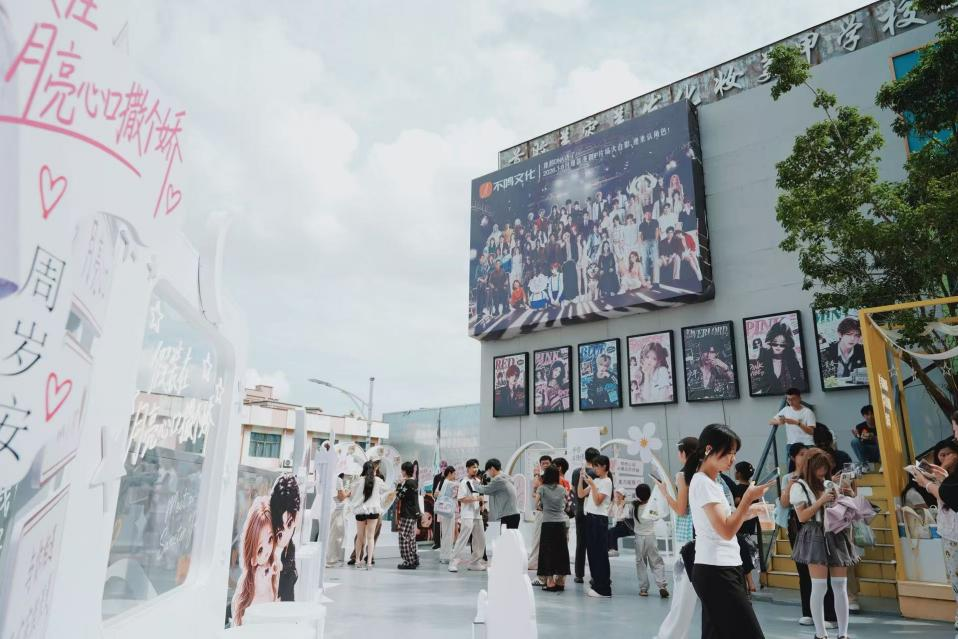
From a lawyer's perspective, the offline live action operation of anime IP is far more than just "scenery+drainage". The construction and opening of an immersive check-in point involves a series of legal issues such as whether the copyright authorization chain is complete, whether the boundaries of IP element usage are clear, whether consumer personal safety protection is in place, and whether advertising language is compliant. If there is a slight oversight, the innovative scene that originally injected vitality into cultural and tourism consumption may evolve into the object of infringement disputes or administrative penalties.
1、 The offline landing of anime IP requires a "closed loop" copyright authorization chain
As a type of audiovisual work presented in the form of dynamic comics, the core assets of a manga lie in elements such as script, character images, art visuals, voice acting, and background music. When the operator moves these elements from online to offline real-life spaces, the first issue they face is the reproduction rights, adaptation rights, and exhibition rights under copyright law.
According to Article 10 of the Copyright Law of the People's Republic of China, copyright owners enjoy multiple exclusive rights such as the right to reproduce, distribute, exhibit, and adapt. Offline check-in points recreate classic scenes from the drama, create character portraits, and showcase theme beauty, essentially replicating and reproducing elements from the original work; If the plot scenes are rearranged or re created, it may also affect the right of adaptation. If the operator itself is the owner of the IP, there is no authorization barrier; However, in practice, offline spaces are often jointly participated by third-party venues, curators, or joint operators. At this time, it is necessary to ensure that the authorization chain from the copyright owner to the executor is complete and uninterrupted.
There are three common risks in legal practice: firstly, the scope of authorization is unclear, and the contract only states "IP cooperation", without specifying whether it includes offline real-life use and whether derivative peripherals can be produced; Secondly, there is a lack of transfer authorization. The copyright owner authorizes Company A, who then cooperates with the venue, but the contract does not stipulate that Company A has the right to transfer authorization; The third issue is that the authorization period does not match the activity cycle, and the authorization has expired after the check-in point is opened normally. It is recommended that the operator, when signing the cooperation agreement, list the list of usage elements, usage methods, usage regions, and duration item by item, and keep the copyright ownership proof documents for future reference.
2、 IP names and character images, trademarks and risks of unfair competition cannot be ignored
Popular anime IPs often have registered text or graphic trademarks. If an offline check-in point uses an IP name or character image on its storefront, promotional materials, or surrounding products, it is necessary to confirm whether the use falls within the scope of someone else's registered trademark exclusive rights.
Article 57 of the Trademark Law stipulates that the use of a mark identical or similar to the registered trademark on the same or similar goods without the permission of the trademark registrant, which is likely to cause confusion, constitutes infringement. If the check-in point sells stationery, clothing, beverage cups, and other products with character images printed on them, it is particularly important to pay attention to the issue of trademark authorization and product category matching. Even if the goods have not been sold, if the name of the check-in point is highly similar to a registered trademark, it may still be claimed by the rights holder on the grounds of trademark infringement or unfair competition.
In addition, Article 6 of the Anti Unfair Competition Law prohibits the unauthorized use of product names, packaging, decorations, and other similar or identical signs that have a certain impact on others. If a certain anime IP already has a high market awareness, a third party who builds "same style" scenes without authorization and uses them to attract customers, even if the images are not directly copied, may still constitute counterfeiting and confusion. The lawyer suggests that the operator should entrust a professional organization to conduct trademark search and infringement risk assessment before the project is launched, and verify the rights status of the proposed IP names and character images one by one.
3、 Consumer Rights and Safety Obligations in Immersive Spaces
Immersive experience spaces usually include elements such as stairs, terraces, lighting installations, interactive props, etc., and the flow of people is concentrated during holidays. On the first day of opening, 500 people flooded in, which raised higher requirements for the venue's carrying capacity and safety management.
Article 1198 of the Civil Code stipulates that operators, managers, or organizers of public places such as hotels, shopping malls, banks, stations, airports, sports venues, entertainment venues, etc. who fail to fulfill their safety protection obligations and cause harm to others shall bear tort liability. As a commercial venue open to the public, the operator has a reasonable obligation to ensure safety, including but not limited to: unobstructed passages, stable stair handrails, terrace guardrails that meet height standards, electrical safety of lighting equipment, implementing flow restrictions or pre arranged measures during periods of high pedestrian traffic, and setting up necessary warning signs.
Article 18 of the Consumer Rights and Interests Protection Law also requires operators to ensure that the goods or services they provide meet the requirements for safeguarding personal and property safety. If tourists are injured or electrocuted due to defects in the venue facilities, the operator not only faces civil compensation, but may also be ordered to rectify and punished by the market supervision department. The lawyer suggests that the operator complete the site safety inspection before the event, purchase public liability insurance, and equip security and first aid forces on site to implement the safety plan at all levels.
4、 Promotion language and welfare gifts, advertising compliance and tax treatment need to be followed up simultaneously
The news mentioned that there are "thoughtful welfare gifts" on site, and such promotional activities are compliant with both advertising and tax laws.
Article 8 of the Advertising Law stipulates that if an advertisement expresses the performance, function, place of origin, use, quality, ingredients, price, producer, expiration date, promise, etc. of a commodity, it should be accurate, clear, and understandable. If absolute terms such as "hottest" and "first" are used in the promotion of check-in points, or if the welfare content is expressed vaguely and conditions are attached when actually redeeming, it may constitute false advertising or misleading commercial promotion.
In terms of taxation, giving gifts without compensation may involve the issue of value-added tax being treated as sales and personal income tax withholding and payment. According to Article 4 of the Implementation Rules of the Interim Regulations on Value Added Tax, gifting self-produced, commissioned processed or purchased goods to other units or individuals free of charge shall be deemed as selling goods. If the gift is a purchased product, the operator needs to pay attention to the treatment of input tax and deemed sales output tax. At the same time, giving gifts to individuals may also involve personal income tax withholding and payment obligations, depending on the nature and amount of the gift.
Conclusion
The integration of digital cultural and creative IP with offline travel scenes is a vivid footnote to the upgrading of cultural consumption in Shenzhen, and also an area where legal risks are concentrated. From copyright authorization to trademark use, from security protection to advertising taxation, every link requires the intervention and supervision of professional legal forces. Guangdong Zhiming Law Firm has been deeply involved in providing legal services for intellectual property and cultural and creative enterprises in Shenzhen for many years. We can provide IP authorization contract review, infringement risk investigation, consumer rights compliance, and long-term legal advisory services for anime IP operators, venues, and cultural tourism projects, helping innovative businesses grow steadily on the track of the rule of law.