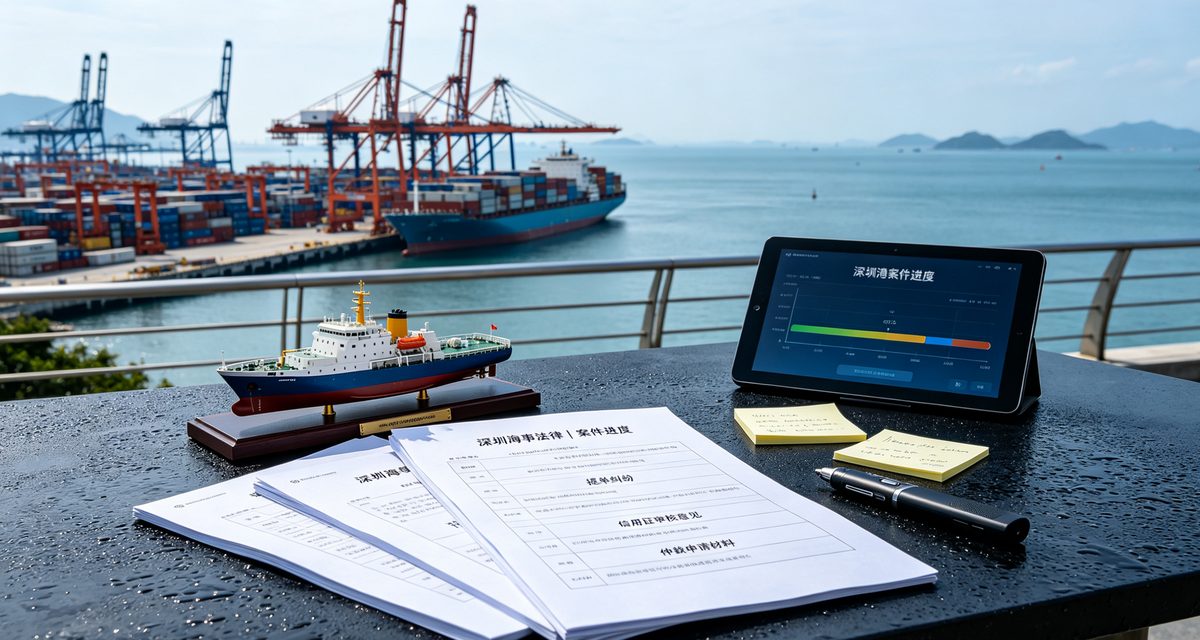
"Shenzhen boss was delinquent 8.6 million goods payment, sue, send a letter or talk? Three ways to recover money Lawyers talk through it all at once"
Boss Wang runs a building materials trading company in Futian, Shenzhen. At the beginning of 2024, he signed a supply contract with an engineering company in Longhua, totaling 8.6 million yuan. The goods were delivered on schedule, but the other party's payments drifted away like a kite with a broken string—after an initial payment of 1 million yuan, the remaining 7.6 million was delayed for a full five months. Every time he pressed for payment, the other party either made excuses saying "the client hasn't paid us," or simply stopped answering the phone. Sitting in his office, staring at his thinning cash flow, Boss Wang knew all too well: if this dragged on any longer, his own company would be the first to collapse.
This is not an isolated case. In contract disputes, what sellers fear most is not a bad market, but having shipped the goods and being unable to collect the payment. Many business owners agonize over three questions when pursuing payment: should they keep negotiating, send a lawyer's letter, or file a lawsuit directly? The legal logic and real costs behind these options are unclear to many.
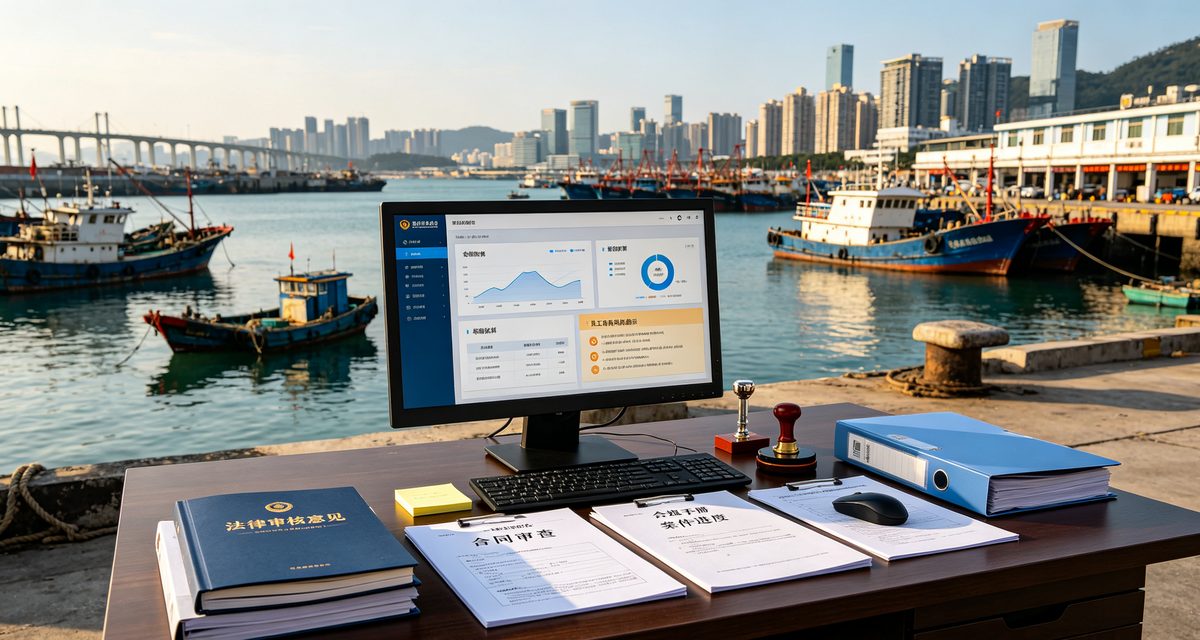
Conflict Escalation: The Other Party Is Not Only Defaulting on Payments but Also Transferring Assets
Mr. Wang initially also wanted to "keep the peace," communicating with the other party more than a dozen times, even making concessions by saying, "Settle the 4 million first, and we can defer the rest." The other party agreed readily over the phone, but when the deadline arrived, it was another empty promise. What truly alerted Mr. Wang was when he asked a friend to check the other company's business registration information—the construction company was in the process of deregistration, and several office buildings under its name were also listed for transfer. This was clearly a prearranged plan for "slipping away like a cicada shedding its shell." If the assets were fully transferred, even winning the lawsuit might lead to "difficulty in enforcement," and he could end up recovering not a single cent.
Legal Analysis: What Actually Determines the Litigation Cycle and Chances of Winning?
Facing this situation, the first step is to clarify the legal basis. According to Article 577 of the Civil Code, if a party fails to perform its contractual obligations or performs them in a manner that does not conform to the agreement, it shall bear liability for breach of contract such as continuing performance, taking remedial measures, or compensating for losses. Boss Wang has complete supply orders, acceptance forms, and VAT invoices in hand. The contractual relationship is clear, the liability for breach is well-defined, and the foundation for winning the lawsuit is solid.
However, some business owners worry that "a lawsuit can drag on for a year or more, and we simply can't afford that." This concern is understandable, but in reality, that is not always the case. The average trial period for civil and commercial cases in Shenzhen is approximately 6 to 12 months, and cases involving amounts in the tens of millions are not uncommon. The duration often depends on whether the case is complex and whether the opposing party deliberately delays the proceedings. More importantly, the litigation timeline has an "accelerator" — if the strategy is well-conceived, it can be compressed to just a few months. For example, in one contract dispute we handled, it took only 4 months from case filing to full enforcement.
Q: Lawyer, I know I should sue, but how long will it take to get the money after filing a lawsuit? What if the other party appeals to the second instance, will it drag on for another year?
Answer: The trial period for first-instance civil and commercial cases in Shenzhen is generally 3 to 6 months, but if pre-litigation property preservation is applied, the situation is completely different. For a situation like Boss Wang's, where the opposing party is transferring assets, we recommend applying for property preservation at the same time as filing the lawsuit to freeze the opposing party's accounts and properties. Even if the opposing party wants to appeal, they will have to weigh the pressure of having their funds frozen, and the likelihood of a proactive settlement is very high. Therefore, the length of the litigation cycle largely depends on whether the lawyer can effectively push things through at every stage.
Agency Strategy: Why Can the Process from Case Filing to Enforcement Be Completed in Just 4 Months?
After Zhiming Law Firm got involved, the first thing they did was not rush to file a complaint, but rather initiate a risk screening under its "Informed Litigation" protocol. The team discovered that although the opposing party appeared tough on the surface, its main assets consisted of an office building in Futian and two basic bank accounts—information that became the key to subsequent actions.
Shen Jinlong, lead attorney (with 26 years of deep experience in civil and commercial litigation), personally organized the chain of evidence, notarizing and preserving all WeChat records of each debt collection attempt, demand letters, and voice recordings of the opposing party's promises to repay. On the same day the case was filed, he submitted a property preservation application to the Futian District People's Court. This move struck directly at the opponent's weak spot: the day after the bank accounts were frozen, the construction company's legal counsel proactively called to request a settlement. Within 4 months, from case filing to enforcement and recovery, the full 7.6 million yuan in payment arrears plus liquidated damages were received, and the case was successfully concluded.
During this process, the unique "Zhiming Artistic Litigation Method" system developed by Zhiming Law Firm played a pivotal role. The so-called "artistry" does not refer to unorthodox tricks, but rather the integration of legal provisions, evidentiary rules, and commercial strategy into a decomposable playbook: the first step uses preservation measures to eliminate the opposing party's possibility of "fleeing," the second step uses a chain of evidence to block the opposing party's excuse for "delaying," and the third step flexibly shifts between mediation and litigation, using litigation pressure to promote negotiation and negotiation to promote enforcement.
Outcome Reversed: From "Deregistration and Absconding" to Proactive Reconciliation
In the end, the other company not only paid the full 7.6 million yuan in goods payment but also paid an additional 200,000 yuan in penalty damages. This outcome was far better than Boss Wang's initial expectation of "just getting the principal back would be good enough." He remarked with emotion: "If I had found a lawyer three months earlier, maybe I wouldn't have had to be on edge for so long."
Q: Lawyer, what if the other party truly has no money, or the company is just a shell company, and even if we win the lawsuit, we still can't recover the money? What should be done in this situation?
Answer: This requires thorough "due diligence" before filing the lawsuit. Many companies appear prosperous on the surface, but in reality hold no assets under their names; however, their shareholders may have engaged in capital withdrawal or abused the independent legal person status of the company. Under Article 20 of the Company Law, if shareholders abuse the independent legal person status of the company and the principle of limited liability to evade debts and seriously harm the interests of creditors, it is possible to "pierce the corporate veil" and hold the shareholders jointly and severally liable. This is why we emphasize that the timing of the lawsuit and the depth of the investigation matter more than the case itself.
Similar reminder: bosses in Shenzhen should all stay vigilant.
Mr. Wang's story is not an isolated case. In Shenzhen's Nanshan and Longhua districts, similar commercial disputes occur every day. If you are facing contract breaches or unpaid payments, at the very least, you should ask yourself three questions: Have you fully investigated the other party's asset status? Is the chain of evidence complete? Is there room to "use litigation as leverage to force negotiation"?
Instead of fixating on "how long the litigation cycle will be" or "what the odds of winning are," it's better to have a professional lawyer conduct a key diagnostic review of your case first. The average processing period for civil and commercial cases in Shenzhen is 6 to 12 months, but that's just an average—what truly makes the difference is whether you can use preservation measures to "force a settlement through pressure" and whether you can employ strategies to shorten the cycle.
If you have a similar contract dispute and are unsure how to proceed, you are welcome to visit Guangdong Zhiming Law Firm in person for a discussion. We are located at Room 1802, Tower A, Xintian Century Business Center, No. 2 Shixia North Second Street, Futian District, Shenzhen. Tel: 0755-25986969. With 26 years of experience and a track record of over 10,000 cases, the team led by Chief Lawyer Shen Jinlong may offer you a fresh perspective.
Need professional legal help?
📞 Free consultation: 0755-25986969 (weekdays 9:00-18:00)
📍 Address: Room 1802, Tower A, Xintian Century Business Center, Shixia North 2nd Street, Futian District, Shenzhen
⚡ First phone consultation free