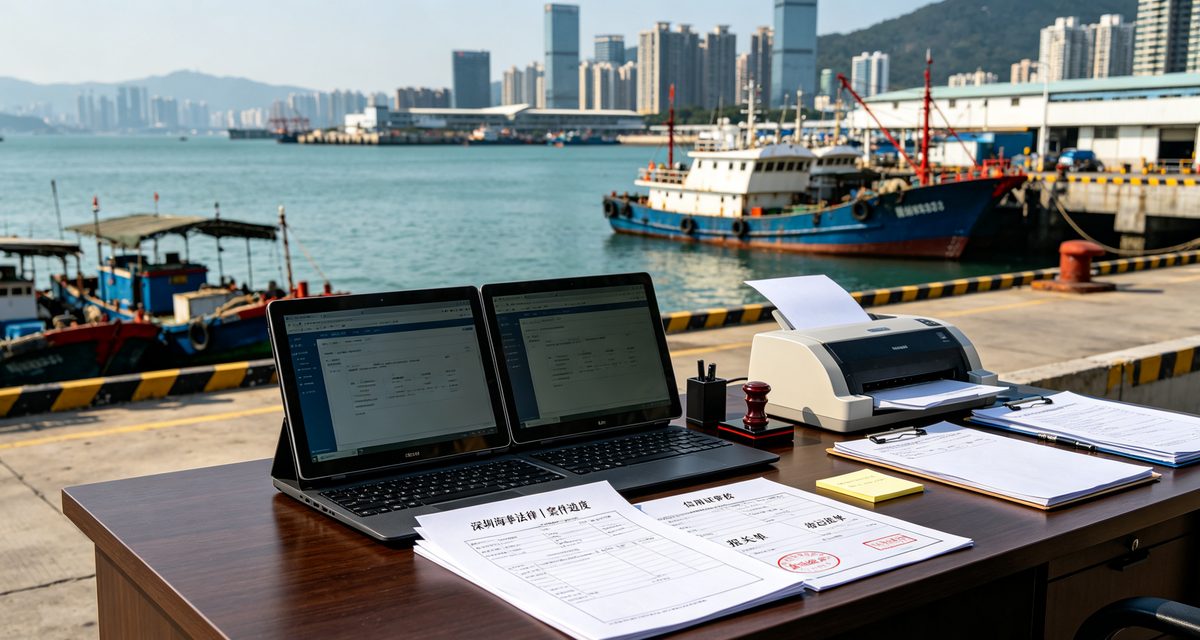
What if the seller of a second-hand house reneges and does not cooperate with the transfer of ownership? Lawyer Wang Shuang dismantled the judgment scale of continuing performance and using liquidated damages in accordance with Article 577 of the Civil Code
The seller signed the contract and received a deposit, but then turned around and said they would not sell or cooperate with the transfer of ownership - you can request to continue to perform, or you can demand a penalty for breach of contract, but whether both can be taken at the same time depends on the court's discretion. Conclusion: If the house is still under the seller's name, has not been mortgaged or sealed, and you have the qualifications to purchase the house and are willing to make up the final payment in one go, the probability of the court ruling to continue performance is significantly higher; The principle of liquidated damages and continued performance does not conflict, but liquidated damages are generally only supported within the scope of "compensating for actual losses". In Shenzhen's judicial system, the difference in housing price increases is often the focus of compensation, and individual liquidated damages are often adjusted. Disassemble according to the practical order below.
First, determine whether the house can be 'retrieved', which will determine which path you take
Article 577 of the Civil Code is very straightforward: If one party fails to perform its contractual obligations or does not perform in accordance with the agreement, it shall bear the liability for breach of contract, such as continuing to perform, taking remedial measures, or compensating for losses. Please note that 'continue to perform' is ranked first, indicating that the legal attitude is to first allow the contract to be executed, rather than compensating for it. But when it comes to second-hand houses, whether the transfer can be judged depends on whether the performance is still possible. In practice, we usually check three things first: whether the house is still registered under the seller's name, whether it has been mortgaged or on the waiting list for seizure, and whether it has been sold for two houses and transferred to a third party. If one of these three rules is violated, continuing to fulfill it is basically impossible and can only be converted into compensation for losses.
Another easily overlooked factor is your own qualifications and funding. Under the Shenzhen purchase restriction, if the buyer does not have a quota to purchase the property, the court will not rule on the transfer of ownership; The contract stipulates a one-time payment, but if you cannot provide the money, your claim to continue performance will also be rejected. So before continuing to fulfill the obligations, it is more useful to have a solid proof of funds and quota verification than writing a fancy lawsuit.
How to continue to fulfill the lawsuit: The lawsuit request should be written as "Order to assist in handling transfer registration"
Many parties may write 'order the seller to cooperate with the transfer of ownership' for the first time, which can easily cause delays during the execution phase. A more stable way of writing is to request the seller to assist in registering the transfer of ownership of the property under your name, and clarify the tax burden and final payment milestones. Courts in Shenzhen usually handle the remaining house payment together with the judgment, such as ordering you to pay the final payment within a certain period of time after the judgment takes effect, and the seller will also assist in the transfer of ownership.
There should be an expectation in terms of time: the ordinary procedure for the first instance will take six months, and the process involving evaluation and public notice delivery will be even longer, with an additional three months for the second instance. Adding execution, the common interval from filing a lawsuit to obtaining the real estate ownership certificate is one to one and a half years. That's also why we often suggest that if we can talk, we should talk about it. If we can't, we should sue as soon as possible and apply for property preservation at the same time. Lock up the house first - after sealing it up, it will be difficult for the seller to sell it to a third party. The value of this step is much greater than fighting for tens of thousands of yuan in court.
Whether the penalty for breach of contract and continued performance can be used together: the key depends on whether the loss is filled in
This is the most central issue in the title. The conclusion is that it can be used in combination, but not simply added together. The contract usually stipulates that the seller shall pay a penalty of 20% of the total house price for breach of contract. When the court judges, it will use Article 585 of the Civil Code to measure it - if the agreed penalty is excessively higher than the actual loss, it can be requested to be appropriately reduced. In the context of similar cases in Shenzhen, the main loss is the difference caused by the rise in housing prices. If the difference is close to or exceeds the amount of liquidated damages, there is a lot of room for the court to support the liquidated damages; If the difference is small, the probability of default is reduced to the level of difference plus reasonable expenses.
In other words, you need to calculate two accounts: one is the liquidated damages stipulated in the contract, and the other is the price difference between the transactions of the same residential area and the same apartment type from the signing to the judgment. Which of the two accounts is higher, advocate for the main one, and use the other as a supplement. Don't expect the full package of "continue to fulfill+20% penalty+lawyer's fee+agency fee". The more detailed the lawsuit, the more it will be cut, and it is easy for the judge to think that you are dishonest. Here's a note, the exact amount you can get depends on the contract text, payment progress, and completeness of evidence. There are no cases that can be copied, and we don't make any promises about the outcome.
You can only choose between a deposit and a penalty, don't make repeated claims
Article 588 of the Civil Code stipulates that if the parties agree on both liquidated damages and a deposit, the other party may choose to apply the liquidated damages or deposit clause when one party breaches the contract. That is to say, if the seller has received a deposit of 200000 yuan from you and then reneged, you cannot choose between "double the deposit of 400000 yuan" and a "20% penalty" at the same time. In practice, we usually calculate the difference between the double refund amount of the deposit, the penalty amount for breach of contract, and the price difference. We choose the highest combination and use the rest as evidence of loss. Choosing the wrong option may result in some claims being directly rejected, and one will have to bear a portion of the litigation costs themselves.
Another detail to note: deposit and down payment are not the same thing. If the contract specifies "deposit", "earnest money", or "earnest money", the penalty for deposit is usually not applicable and can only be refunded according to the requirements of ordinary advance payment. When signing the contract, these few words are worth taking a closer look at.
Evidence List: These five types of materials determine whether you can win or not
The first type is the contract itself, including intermediary contracts, sales contracts, supplementary agreements, especially clauses regarding transfer time, payment methods, and breach of contract liability; The second type is payment voucher, and the bank statements of the deposit and down payment should match the contract amount; The third type is the record where the seller explicitly states that they will not sell, including WeChat, SMS, and call recordings. Please keep the original carrier and do not only provide screenshots; The fourth type is proof of eligibility for purchasing a house and proof of funds; The fifth type is evidence of housing prices, including online transaction records of the same community in recent months and screenshots of intermediary listed prices, used to prove the difference in losses. The courts in Shenzhen have a high recognition of online signing data and can adjust it whenever possible.
Regarding intermediaries, if an intermediary knowingly facilitates a transaction despite the seller selling one house for two, it may involve the obligation of truthful reporting under Article 962 of the Civil Code. Whether the intermediary fee can be refunded and held accountable is another matter that can be handled together in the same case. This type of dispute is often mixed with company equity and partnership separation. For example, if the seller is a property under the company's name or if shareholders are engaged in internal disputes, the handling approach is completely different. You can first follow theShenzhen Equity Dispute LawyerClarify the subject relationships and then formulate litigation strategies based on the case handling approach.
How to prevent the seller from delaying and selling at a high price
The most effective action is to file a lawsuit and apply for property preservation before or during the lawsuit, and to seal the property involved. Courts in Shenzhen generally require the provision of a guarantee, which can be a preservation letter of guarantee issued by an insurance company. The cost is calculated based on a certain proportion of the preservation amount, usually in the thousands of yuan range, which is much more cost-effective than using cash as collateral. After the closure, the seller was unable to complete the transfer of ownership before the unsealing, and the operational space for selling one house and two houses was blocked.
Also pay attention to the statute of limitations for litigation. Article 188 of the Civil Code stipulates that the statute of limitations for ordinary litigation is three years, starting from the date when you knew or should have known that your rights were infringed. On the day when the seller explicitly refuses to transfer ownership, the deadline will begin to run out. Don't delay. We have seen parties who repeatedly "wait and see" and drag away favorable evidence, it's a pity.
If the property involves demolition and resettlement, relocation indicators, or if you are an employee and your social security payment is interrupted, the problem will be even more complicated. The former needs to first determine the nature of the subject matter, while the latter needs to resolve the eligibility for purchasing a house before filing a lawsuit, and if necessary, conduct a written verification first. The average annual number of new cases received by Shenzhen courts has been consistently high, and scheduling itself takes time. Filing a case earlier often means getting the house several months earlier, and it is best to clarify this timeline before filing a lawsuit.
The choice between negotiation, mediation, and litigation
The seller reneges, in most cases not because they are determined, but because they feel they are selling at a lower price. At this point, adding tens of thousands of dollars for settlement may be more cost-effective than filing a one-year lawsuit, especially if you are in a hurry to move in or your children are waiting to settle in. But if the increase is significant, such as a 20% increase in the same unit after signing the contract, then it is worth fighting. The criteria for judgment are simple: whether the expected compensation minus litigation costs and time costs is significantly higher than the settlement plan. We usually help the parties involved make a list of this account before making a decision.
Don't underestimate the mediation process either. The courts in Shenzhen have mediation procedures before and after filing a case, and the mediation agreement can also be applied for compulsory enforcement, and it takes effect quickly. Some sellers tend to soften their attitude significantly after the house is sealed off. When negotiating a settlement, they can often obtain more flexible conditions than the judgment, such as giving an additional one or two months to vacate the house in exchange for higher compensation.
To be honest, 80% of the pitfalls in buying and selling second-hand houses are buried in contracts without online signing, financial supervision, and clear transfer deadlines. If you really want to file a lawsuit, the outcome will be determined by the day you sign. When encountering uncertain terms, it is much cheaper to see Lawyer Wang Shuang (Guangdong Zhiming Law Firm) before signing than to spend a year in litigation afterwards.
Lawyer Wang Shuang, from Guangdong Zhiming Law Firm, specializes in property disputes, contract breaches, and corporate and equity disputes. For issues such as buying and selling second-hand houses, continuing to fulfill obligations, and calculating liquidated damages, please call the consultation hotline at 0755-25986969 to first sort out the facts before making a plan. I want to find moreShenzhen Second hand Housing LawyerPractical articles can be viewed by column; Lawyer's background can be tracedLawyer Wang Shuang.
Disclaimer: This article is a general sharing of legal information, organized based on current laws and public judgments, and does not constitute any legal opinion or commitment to the outcome of any specific case. The handling of individual cases should be judged based on the contract text, evidence status, and the actual judgment scale of the competent court. It is recommended to consult a practicing lawyer before taking litigation or settlement actions. The deadline, proportion, and amount mentioned in the article are for reference only, and the final determination of the court shall prevail.
Frequently Asked Questions
The seller has clearly stated that they will not sell, can I force them to transfer ownership?
It depends on whether the fulfillment is still possible. The house is still under the seller's name, unsecured and sealed, and you have the qualifications to purchase the house and can pay the final payment. There is a high possibility that the court will continue to assist in the transfer of ownership; If it has been transferred to a third party or seized, it can only be converted into compensation for losses.
Can liquidated damages and continued performance be claimed simultaneously?
Can be used together, but not simply added. Article 585 of the Civil Code stipulates that if the agreed liquidated damages are excessively higher than the actual losses, the court may appropriately reduce them. The main loss under the Shenzhen caliber is the difference in housing price increases, and the penalty for breach of contract is usually adjusted to a level equivalent to the difference.
Can I have the deposit and penalty together?
No. Article 588 of the Civil Code stipulates that if both a penalty for breach of contract and a deposit are agreed upon, the complying party can only choose one of them to apply. In practice, it is recommended to compare the amounts of double refund of deposit, penalty for breach of contract, and price difference, and choose the highest combination of claims.
How to prevent the seller from reselling the house to someone else after filing a lawsuit?
Simultaneously file a lawsuit and apply for property preservation, and seal the property involved in the case. Shenzhen courts generally require the provision of guarantees, which can be preserved by insurance companies, and the cost is usually in the range of several thousand yuan. During the sealing period, the seller was unable to complete the transfer of ownership, and the operational space for selling one house two was blocked.
How long do I have to file a lawsuit after the seller reneges?
Article 188 of the Civil Code stipulates that the statute of limitations for ordinary litigation is three years, starting from the date when you knew or should have known that your rights were infringed. The seller clearly refuses to transfer the ownership, and the time limit starts to calculate. It is recommended to file a case as soon as possible and carry out preservation measures simultaneously to avoid evidence loss.