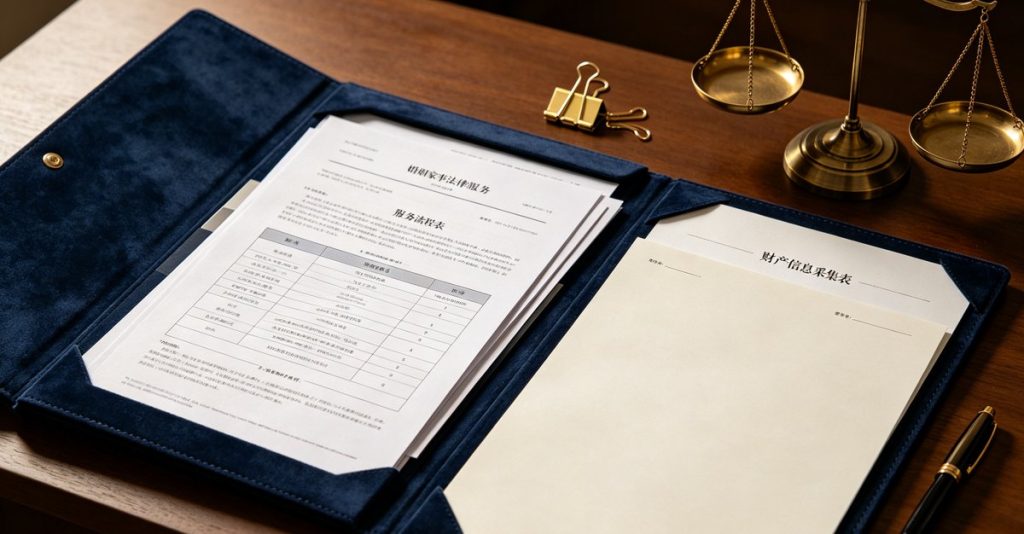
Shenzhen bosses fear waiting the most when chasing debts? A set of real data tells you: in civil and commercial litigation, the cycle and odds of winning depend not on the court, but on the evidence.
Old Chen, who trades electronic components in Futian, Shenzhen, came to us at the end of last year with a statement of account. The other company owes 8.6 million yuan in goods, which has been delayed for almost a year. Every time they collect payment, they say 'we will arrange it next week', but the result is next week after next week. What Lao Chen is most worried about is not that the other party doesn't have money, but hearing people say that 'it's normal to drag out a lawsuit for two or three years', fearing that the company's cash flow won't be able to sustain it. This is his first time in a lawsuit, and the most common question he asks is: how long does it take from filing a lawsuit to receiving money?
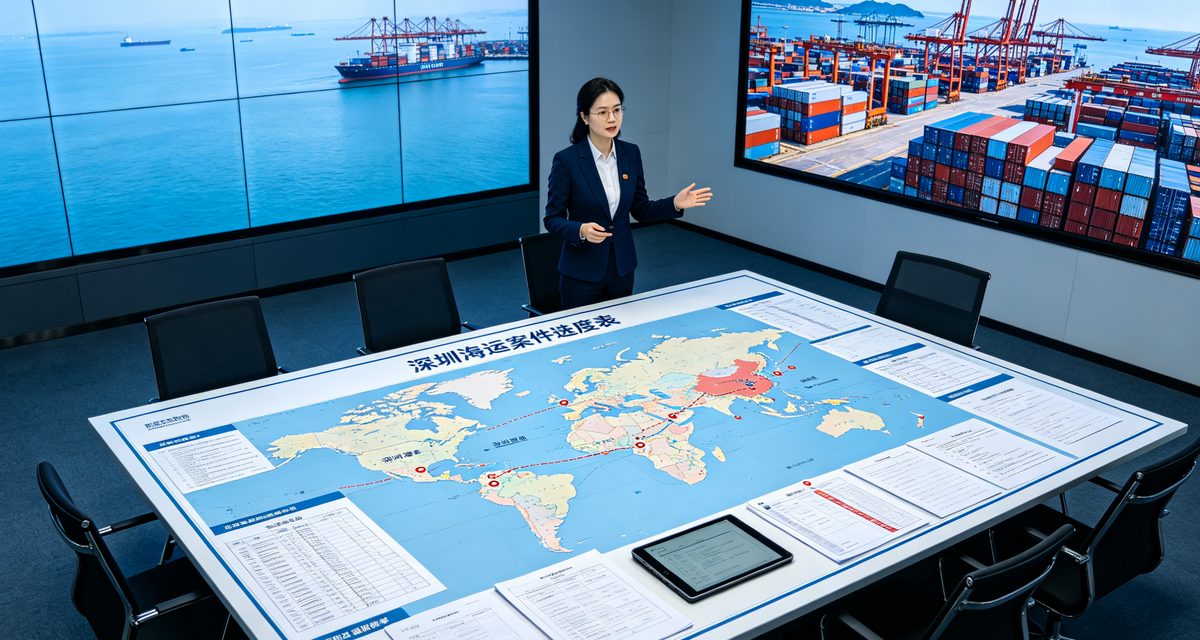
Let me start with the conclusion: Shenzhen courts handle civil and commercial contract disputes far more quickly than outsiders might expect. According to data from trial white papers published by Shenzhen courts in recent years, the average trial period for civil and commercial cases in basic-level courts is within six months, while the average trial period for second-instance cases in the intermediate court is about four months. In other words, for an ordinary contract dispute involving a claim amount of several million yuan, if it goes through both first-instance and second-instance trials, the time required for legal proceedings is approximately 10 to 12 months.
But there is a misconception here. Many parties equate the "trial period" with the "repayment period". In fact, the judgment is only the first step, and it is the execution process that truly determines whether you can receive the money. In the case of Lao Chen, we calculated an account for him at that time: if the other party had money in their account, they could apply for execution after the first instance judgment came into effect, and the funds could be transferred to their account in as little as 1-2 months. But if the other party transfers the property in advance, the execution may be indefinitely delayed.
Old Chen's case ultimately took four months, from filing to the enforcement funds arriving in his account—over half a year faster than he had anticipated. The key here wasn't luck, but acting swiftly enough.
We applied for property preservation on the second day of accepting the case. Why? According to the provisions of the Civil Procedure Law on litigation preservation, in cases where the judgment may be difficult to enforce due to the actions of one party, the court may, upon the application of the other party, order the preservation of their property. Simply put, it means freezing and sealing the other party's bank account and property to prevent them from transferring assets. This action made Old Chen's debtor suddenly nervous - their account was frozen and they couldn't do business, so they came to us to negotiate a settlement.
The odds of winning a contract dispute are actually 70% determined before the lawsuit is even filed. Old Chen had in his hands reconciliation statements, delivery notes, VAT invoices, and several WeChat chat records where the other party admitted to owing the money. These pieces of evidence formed a complete chain, leaving the opposing party no angle to deny it. As a result, the entire lawsuit went smoothly—after just two court sessions, the other party backed down.
In my years of practicing in Shenzhen, I have seen too many cases being prosecuted only at the end. Some bosses think that 'talk first, if it's really not enough, then change sides', but the result is that after more than a year of talking, the other party takes the opportunity to dispose of the assets cleanly. When I remembered to file a lawsuit, although I won the judgment, I couldn't find any property during the execution.
The duration of civil and commercial litigation largely depends on three variables. The first is the choice of the court with jurisdiction—whether the contract stipulates jurisdiction and in which district it is designated directly affects how quickly the case can be filed. Courts in Futian and Nanshan districts of Shenzhen have long been saturated with cases, but their filing procedures are already quite standardized; once online filing is approved, a hearing is typically scheduled within one to two weeks. The second is the service of process—if the opposing party deliberately avoids receiving the summons, service by publication will require an additional 60 days. The third is the initiation of appraisal procedures—for example, when there is a dispute over the authenticity of an official seal or a handwritten signature, judicial appraisal usually takes two to three months.
Q: How much does it cost to file a contract dispute? The litigation costs for a case with a target amount of 8.6 million will be calculated according to the court's segmented standards. There is a publicly available table for this section, and the court will issue a payment notice when filing the case. Lawyer fees are determined based on the type of business and workload. Our approach is to clearly indicate the price, sign a written contract before commissioning, issue receipts for fees, and clearly state the scope of services and additional items when signing the contract. In addition, if the contract stipulates that the defaulting party shall bear the cost of rights protection, both litigation costs and lawyer fees can be claimed together and judged by the court. So, the cost of filing a lawsuit is not as high as imagined, the key is whether the contract terms are written in detail enough.
Another frequently asked question is: what if the other company is already insolvent or has been deregistered? This brings up another step. The due diligence conducted before filing a lawsuit is not just about whether they have money, but also about whether their shareholders have failed to make capital contributions or have withdrawn registered capital improperly. If such situations exist, the shareholders can be named as co-defendants and be held liable to the extent of their unpaid contributions. This is also a point that many business owners tend to overlook.
On the day when Lao Chen's 8.6 million yuan was received, he came to the law firm to sit for a while and said a sentence that left a deep impression on me: "If I had known it could be resolved in four months, I shouldn't have delayed that year on my own." Indeed, the pain point of many business disputes lies not in the law itself, but in the hesitation and lucky mentality of the bosses.
Mr. Wang, who also runs a business in Shenzhen, was not so fortunate. He was owed 3.2 million yuan in payments, and it took him three years before filing a lawsuit. Although he won the case, the opposing company had long since transferred its assets to affiliated companies, leaving only a worthless old car in its name. He obtained the court judgment, but not a single cent could be recovered through enforcement. The same court, the same type of case, yet vastly different outcomes—the difference lies in the timing of the lawsuit and whether preservation measures were taken in time.
In handling civil and commercial litigation in Shenzhen, timing is everything. The golden window for resolving contract disputes is often within the first three months after the other party first defaults, before they have had a chance to massively transfer assets. If you wait more than six months to take action, the difficulty multiplies.
In the cases handled by Guangdong Zhiming Law Firm in the past 26 years, contract disputes have accounted for the majority. Director Shen Jinlong often tells us that litigation is not the goal, getting the money is. Many cases rely on pre prosecution evidence sorting, property clue investigation, and decisive preservation applications to hold the initiative in one's own hands. If you also encounter similar business disputes and don't know how to evaluate the cycle and grasp it, you can call 0755-25986969 to chat. Zhiming Law Firm is located in Room 1802, Building A, Xintian Century Business Center, Shixia North Second Street, Futian District, Shenzhen. Welcome to come and sit with materials.
Regarding the cases mentioned in the article, if you have similar situations as well.
You can directly call 0755-25986969 to talk to a contract dispute lawyer. The charging method should be explained on the phone first and confirmed in writing before the interview. The law firm is located at Room 1802, Building A, Xintian Century Business Center, Shixia North Second Street, Futian District, Shenzhen.