Shenzhen: 8.6 Million Contract Dispute Enforced Within 4 Months—How Exactly Are the Timeline and Odds of Success in Civil and Commercial Litigation Calculated?
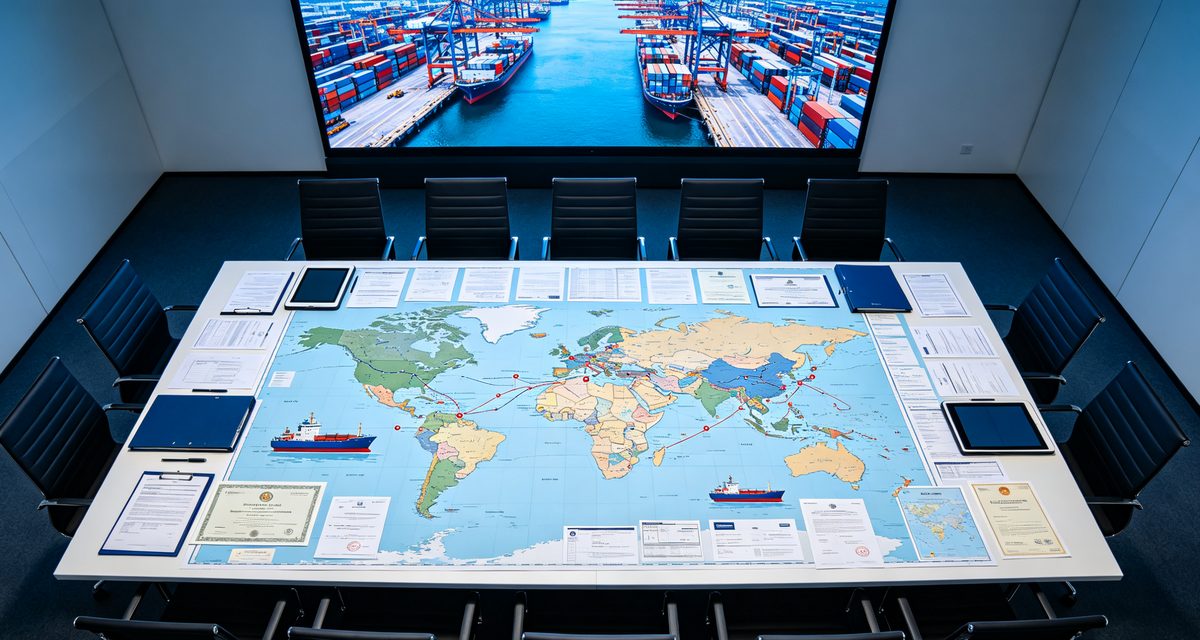
Last Wednesday afternoon, in the meeting room of Room 1802, Tower A, Xintian Century Business Center, Futian District, Lao Chen, a businessman in the electronic components trade, scrolled through the bank deposit notification on his phone and read it three times over. 8.6 million yuan, not a cent short. From the day he signed the engagement contract at Zhiming Law Firm to the day the money landed in his company account, less than four months had passed. Lao Chen said he had originally prepared himself for a two-year lawsuit, and had even thought the money might never be recovered.

Lao Chen’s case is not the most complex in Shenzhen civil and commercial litigation, but it is highly representative. The opposing party is a downstream manufacturer that had been doing business with him for more than three years. Starting in the second half of 2024, it began falling behind on payments for goods, and by early 2025 the arrears had accumulated to RMB 8.6 million. Lao Chen himself sent three lawyer’s letters. Each time, the other side said it would “arrange it next week,” but next week never came. He had an intermediary attempt mediation, and the opposing party’s boss agreed readily to his face, only to turn around and transfer the money in the company account to an affiliated company. Put plainly, this is a typical case of breach of contract plus debt collection. The evidentiary chain is relatively clear. The difficulty lies in whether the opposing party has enforceable assets and whether you move quickly enough.
The actual trial period for civil and commercial cases in Shenzhen is longer than many people think.
Many clients, when they come for their first consultation, ask the first question: “How long will this lawsuit take?” I usually give them some figures: in 2024, the two levels of courts in Shenzhen accepted more than 600,000 civil and commercial cases. Although cases with an amount in controversy exceeding RMB 10 million accounted for less than 5%, their number still exceeded 20,000. For an ordinary contract dispute at first instance, the average trial period from case filing to receipt of the judgment is about 6 to 9 months. If the opposing party raises a jurisdictional objection, applies for an appraisal, or appeals after the judgment, a delay to 12 to 18 months is common.
But the adjudication period and the time it takes to get paid are two different things. If you win the judgment and the other party does not voluntarily comply, you still have to apply for enforcement. Enforcement case filing, asset investigation and control, appraisal, and auction—going through this whole process takes another 3 to 6 months. So many business owners, after finishing the lawsuit and obtaining the judgment, find that the other company is already an empty shell, and the money simply cannot be recovered through enforcement.
The reason Mr. Chen’s case was able to go through the entire process in four months was that we made speed the priority. On the day we were retained, we completed the evidence review and investigation of property leads, and on the third day we submitted the filing materials to the court. At the same time, our investigation revealed that the opposing party had a factory building in Longhua District that was being rented out, so we immediately applied for litigation preservation. As soon as the attachment ruling came down, the opposing boss’s attitude changed immediately: with the factory building attached, the tenants did not dare pay rent, and his cash flow was cut off outright.
When it comes to the chances of winning, a lawyer cannot make guarantees, but can look at three hard indicators.
The second question clients most love to ask is how likely they are to win their case. Honestly, no responsible lawyer will give you a specific percentage. But we can assess it from three dimensions: whether the evidence is solid, whether the legal relationship is clear, and whether the other party has the ability to perform.
Evidence is key: if contracts, delivery notes, reconciliation statements, WeChat chat records, and invoices can form a complete chain of evidence, the chances of winning are high. The worst thing is a transaction with only an oral agreement and not even a reconciliation statement; if the other party denies it in court, you are left in a very passive position. Whether the legal relationship is clear mainly depends on whether the contract terms are ambiguous. For example, some contracts state cash on delivery but do not state within how many days after delivery payment must be made, so the other party can exploit the loophole. As for capacity to perform, this is the most practical issue—if the other company has no money in its accounts and no assets in its name, you will not be able to collect the money even if you win the lawsuit.
The provisions of the Civil Code on liability for breach of contract are very clear: if one party fails to perform its contractual obligations or does not perform its contractual obligations in accordance with the agreement, it shall bear the liability for breach of contract, such as continuing to perform, taking remedial measures, or compensating for losses. The provisions on the scope of compensation for losses have been further clarified, including the benefits that can be obtained after the performance of the contract. But laws are laws, and at the practical level, whether you can get the money depends on whether you can find the other party's property and whether your actions are fast enough.
From Filing the Case to Enforcement Completion: How We Recovered 8.6 Million
In Lao Chen's case, our team did three things within the first 24 hours after taking on the case. First, we organized all contracts, delivery notes, reconciliation statements, and WeChat records into an evidence binder in chronological order, and confirmed that every item of the RMB 8.6 million owed had a corresponding signed delivery receipt. Second, through public channels and internal databases, we investigated the opposing company's business registration information, litigation information, and real property information, and found that the opposing party had a factory building in Longhua District and also had a business vehicle registered under the company's name in Nanshan. Third, we drafted the complaint and the application for property preservation that same day.
On the 11th day after the case was filed, the court issued a preservation ruling and seized the factory building in Longhua District. The other party's boss contacted Lao Chen on his own initiative that same day, saying he was willing to pay in installments. We did not agree—we have seen too many installment-payment cases: they pay the first installment, and then start delaying the second. Our position was clear: either pay in full in one lump sum, or we continue with the proceedings. The other side stalled for about two weeks, then discovered that after the factory building was seized, the tenants really did stop paying rent. Unable to withstand the financial pressure, they ultimately wired 8.6 million yuan in one lump sum to the court's account in the fourth month after the case was filed.
The case moved this quickly partly because of luck, but more because of strategy. If Lao Chen had chosen to negotiate first, then send a demand letter, and only then file suit, dragging things out for three or four months, the other side would have had plenty of time to transfer the factory and empty the company’s accounts. By then, even if you won the lawsuit, all you would get is an unenforceable judgment.
Q: In Shenzhen, for contract dispute litigation, how are lawyers' fees generally charged?
Answer: Shenzhen lawyers represent civil and commercial litigation, and the fees are subject to market adjusted prices, which are determined through negotiation between the law firm and the client. Our approach is to determine the price based on the type of business and workload, clearly label the price, sign a written contract before commissioning, and issue receipts for fees. The size of the case subject matter, whether the evidence is disorderly, whether preservation is necessary, and whether remote investigation is needed all directly affect the workload. Therefore, before signing the contract, these will be explained item by item, and the agreed amount will be as much as possible, without any other names appearing in the middle. In addition, if the contract stipulates that the cost of rights protection shall be borne by the defaulting party, this part can be claimed together in the lawsuit and ultimately judged by the court.
Litigation may not be the best path, but sometimes it is the fastest path
Many business owners, when a payment for goods is overdue, first think, “Let’s wait a little longer” or “Let’s talk again.” You can certainly talk, but while talking, you must do one thing: investigate the other party’s asset leads. If the other company is still operating normally, has money in its accounts, and owns assets, you can negotiate while preparing litigation materials. If you find that the other party is already transferring assets, deregistering the company, or frequently changing its legal representative, then don’t hesitate—sue immediately and apply for asset preservation.
The courts in Futian, Nanshan, and Longhua districts of Shenzhen have relatively fast processing speeds for property preservation applications, especially for cases with complete evidence materials and guarantee procedures. Some preservation rulings can be issued within a week. But the pace of each court is different. Futian Court has a large volume of cases, and the waiting time for filing may be longer; Longhua Court is relatively faster. Lawyers who have handled such cases will help you keep track of these details.
Old Chen later said something to me that I found quite down-to-earth. He said: "I used to always think lawsuits were a hassle, so I put them off whenever I could. Now I finally understand—delaying is the biggest hassle of all." 8.6 million yuan, 4 months, from case filing to full enforcement—this speed is considered fast for civil and commercial litigation in Shenzhen. But the premise of speed is that you find the right person, take the right path, and seize the right timing.
If you encounter commercial disputes, contract breaches, or debt recovery issues in Shenzhen and are unsure whether to talk or sue, you can call Zhiming Law Firm at 0755-25986969 to talk. Director Shen Jinlong and his team have been involved in civil and commercial litigation for 22 years, and a considerable portion of the cases they have handled have been contract and debt disputes. This set of case handling methods. The address is Room 1802, Building A, Xintian Century Business Center, Shixia North Second Street, Futian District, Shenzhen. It's better to figure out what stage your case is at first and then decide on the next step than to drag on blindly.
Regarding the cases mentioned in the article, if you have similar situations as well.
You can directly call 0755-25986969 to talk to a contract dispute lawyer. The charging method should be explained on the phone first and confirmed in writing before the interview. The law firm is located at Room 1802, Building A, Xintian Century Business Center, Shixia North Second Street, Futian District, Shenzhen.