How can "good students" use legal means to protect their rights against workplace burnout? Lawyer explains the boundary between overtime work and compensation for mental distress.
In recent years, the phenomenon of the "Chinese-style good student" has sparked heated social debate: the first half of life is spent pursuing high scores and perfection, while the second half falls into workplace burnout, plagued by anxiety, fatigue, and physical and mental exhaustion. This is not merely a psychological issue; it also involves labor rights and legal boundaries. When "burnout" stems from excessive overtime, workplace bullying, or improper stress management, can workers protect their rights in accordance with the law? How should companies respond in compliance? This article, from a lawyer's perspective, analyzes the legal risks and remedial pathways behind burnout in light of the Labor Law, the Civil Code, and other regulations.
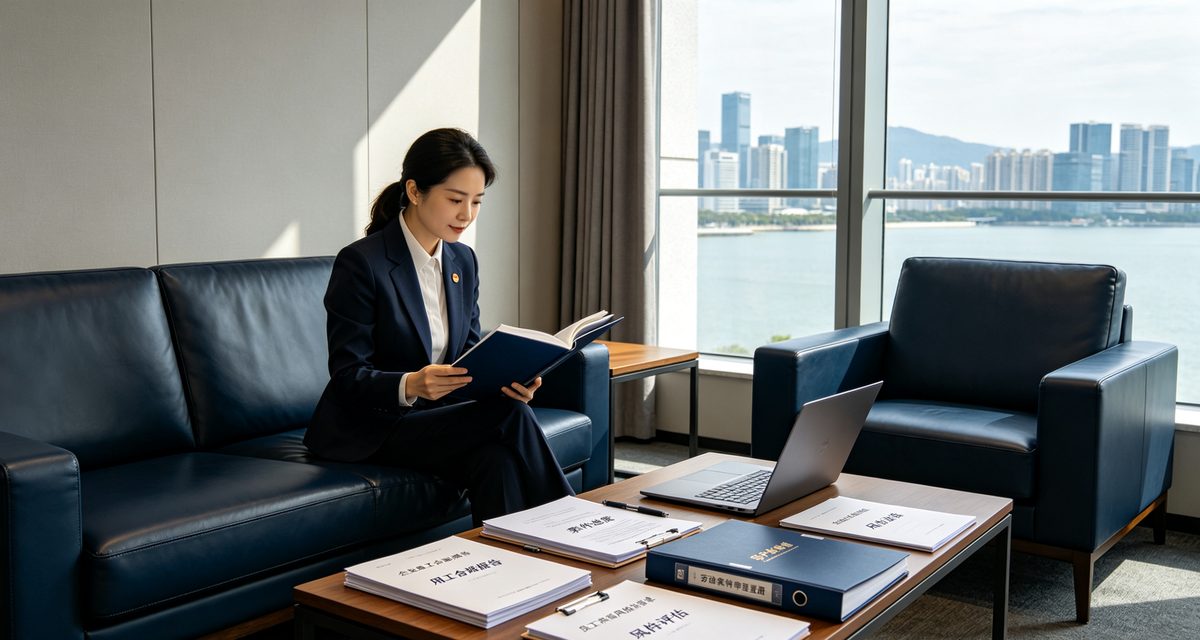
The Legal Roots of Internal Friction: Overtime Culture and the Working Hours Red Line
Good students often internalize "hard work" as a habit, making them typical of "voluntary overtime" in the workplace. However, the law imposes clear limits on working hours. Article 36 of the Labor Law stipulates that daily working hours shall not exceed 8 hours, and the average weekly working hours shall not exceed 44 hours. Article 41 further restricts that if working hours need to be extended for special reasons, the extension shall not exceed 3 hours per day and shall not exceed 36 hours per month.
In practice, many companies circumvent regulation through "flexible work" and "task-based" arrangements, leaving employees trapped in "hidden overtime." For example, assigning tasks via WeChat groups after work hours or holding online meetings on weekends may both constitute overtime. A typical case from the Supreme People's Court in 2021 clarified that workers using social media to carry out work during non-working hours falls within the scope of overtime.
Lawyer's advice: Workers should preserve evidence such as attendance records, screenshots of work communications, and task assignment emails. If overtime beyond regular hours is substantiated, workers may demand overtime pay or compensation from the employer in accordance with Article 85 of the Labor Contract Law. Employers should also be aware that forced or covertly forced overtime may result in administrative penalties and even the risk of losing labor dispute cases.
Mental Distress Claims: The Path from "Internal Friction" to Legal Remedy
Can long-term internal psychological strain lead to psychological disorders such as anxiety and depression, and can this support a claim for mental distress compensation? Article 1183 of the Civil Code stipulates that where infringement of a natural person's personal rights and interests causes severe mental harm, the injured party has the right to claim compensation. However, the prerequisite for application is the existence of a "tortious act," such as workplace bullying, discrimination, or serious dereliction of duty.
If the internal friction stems from illegal corporate behavior, such as health damage caused by excessive overtime, the work-related injury determination path may be applied. Article 14 of the Regulations on Work-Related Injury Insurance lists cases of work-related injuries, but mental illness generally requires diagnosis by a psychiatrist and a direct causal relationship with work. In 2019, an employee of an internet company committed suicide due to depression caused by long-term overtime, and the court ruled that the company had failed to fulfill its reasonable duty of care and ordered compensation.
However, general "internal friction" does not reach the level of illness and is difficult to claim compensation directly. Lawyers remind: if workers encounter workplace bullying such as verbal abuse or isolation, they should promptly preserve recordings and emails and assert infringement of personality rights. Enterprises, on the other hand, are obligated under Article 52 of the Labor Law to provide labor safety and health conditions, including mental health support.
Corporate compliance obligations: reducing internal friction risks at the source
Enterprises are not merely "fields" of internal friction; they also bear legal obligations. According to Article 4 of the Labor Contract Law, rules and regulations formulated by enterprises that involve the vital interests of workers must undergo democratic procedures and be publicly announced. For example, overtime approval systems and performance evaluation standards may be deemed invalid if not established in compliance with regulations.
In practice, companies often pressure employees through "last-place elimination," but Article 40 of the Labor Contract Law only permits termination when an employee is "not competent for the job" and remains incompetent after training or reassignment. Merely ranking last does not constitute lawful dismissal. In a 2020 case, the court ruled that the company's termination was unlawful and ordered it to pay double compensation.
Lawyer's advice: Enterprises should establish a reasonable workload assessment mechanism to avoid excessive exploitation. At the same time, according to Article 23 of the Mental Health Law, employers should pay attention to employees' psychological state and may introduce EAP programs to reduce labor disputes caused by stress. Compliance management not only lowers litigation risks but also reflects corporate social responsibility.
Workers' Self-Help Guide: Evidence, Procedures, and Professional Support
Facing internal friction, workers must proactively defend their rights. First, secure evidence: attendance records, pay slips, communication logs, especially proof of overtime hours. Second, in terms of procedure, first negotiate with the employer, apply for mediation in accordance with the Labor Dispute Mediation and Arbitration Law, and if unsuccessful, proceed to arbitration, and finally to litigation.
For psychological counseling fees, if they are caused by work-related infringement, compensation may be claimed. However, attention should be paid to the statute of limitations: the arbitration limitation period for labor disputes is one year, commencing from the date when the rights are known to have been infringed.
If internal attrition has already affected your health, you may apply for work-related injury recognition, but a hospital diagnosis certificate is required. Lawyers remind: do not suffer in silence due to a "good student" mentality; the law is a tool for balancing labor-management relations. Guangdong Zhiming Law Firm has long represented labor dispute cases and can provide professional services such as evidence organization and arbitration representation, helping you shift from "internal attrition" to "rights protection."
Conclusion: From "Good Student" to "One Who Knows the Law"
The perfectionism of "good students" can easily become a burden in the workplace, but the law sets a bottom line for internal friction. Understanding work hour regulations, mental damage, and compliance obligations not only protects one's own rights but also drives companies to improve management. When internal friction goes beyond the psychological realm, the law becomes the most solid support. Guangdong Zhiming Law Firm is willing to provide professional support to every "good student," ensuring that effort has its limits and rights have their basis.