Shenzhen community organizes youth red study tours: a legal perspective on the safety guarantees and responsibility boundaries of the event organizer.
Safety guarantee obligations of event organizers: What do the laws stipulate?
When community organizations host youth study tours, the first concern involves the organizers' duty of safety protection. According to Article 1198 of the Civil Code, operators or managers of business premises and public places such as hotels, shopping malls, banks, railway stations, airports, sports venues, and entertainment venues, or organizers of mass activities, who fail to fulfill their duty of safety protection and cause harm to others, shall bear tort liability. As the organizer of the activities, the community falls under the category of organizers of mass activities and is legally obligated to provide safety protection.
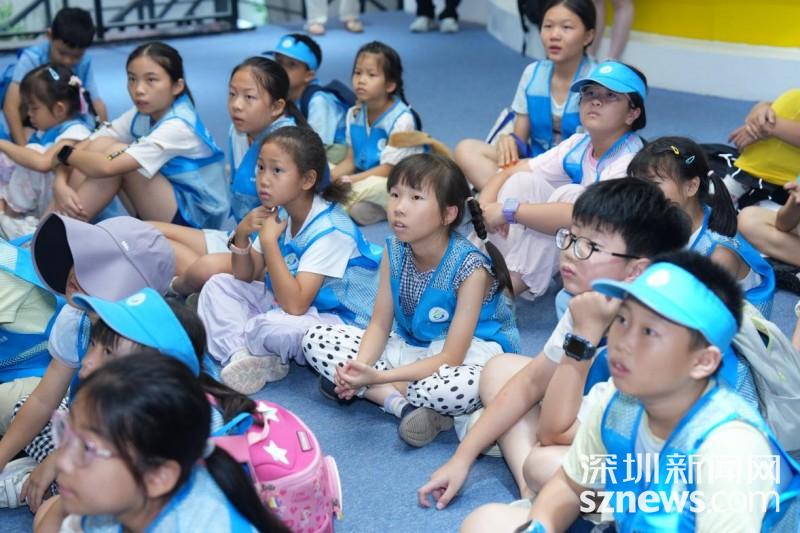
Specifically for youth activities, the content of the safety assurance obligation is more detailed. According to Article 38 of the Law on the Protection of Minors, schools, kindergart
Taking this educational research activity as an example, the community led teenagers to visit the fort ruins and carry out outdoor cleanup, which involves multiple risks such as site safety, transportation, and outdoor environment. If the community fails to inspect potential safety hazards in advance, does not arrange dedicated personnel to maintain order, or does not purchase accident insurance for participants, the community will face the risk of bearing corresponding tort liability once an accident occurs. In Shenzhen, there was a previous case where a child was injured during a community-organized children's activity due to facility defects. The court ultimately found that the organizing party had failed to fulfill its safety protection obligation and ordered it to bear primary compensatory liability.
Legal Risks in Volunteer Services: Special Protection for Youth Participating in Public Welfare Activities
The "Mountain Forest Lung-Clearing Action" segment of the event allowed teenagers to volunteer as trash collectors. While this segment reflects the original intention of public welfare education, it also carries hidden legal risks. According to Article 23 of the Volunteer Service Regulations, volunteer service organizations arranging volunteers to participate in volunteer service activities shall adapt to the volunteers' age, knowledge, skills, and physical condition, and provide necessary safety, hygiene, and other conditions. For minors participating in volunteer services, the law imposes stricter protection requirements.
Article 49 of the Law on the Protection of Minors stipulates that no organization or individual may organize minors to participate in activities that may endanger personal safety, such as emergency rescue, disaster relief, and rescue operations. Although picking up trash is not a high-risk activity, the outdoor environment presents unforeseen risks, such as slipping on steep slopes, being cut by foreign objects, heatstroke, and so on. As the organizing party, the community should ensure that the intensity of the activity is appropriate for the age of the adolescents, provide necessary protective equipment (such as gloves and grabbers), and arrange for adults to accompany them throughout the entire process.
In practice, lawyers advise organizers to sign written agreements with parents before the activity, specifying the content of the activity, risk warnings, and the method of bearing liability. However, it should be noted that under Article 497 of the Civil Code, standard clauses that exempt the organizer from liability for property damage caused by intentional or gross negligence are invalid. Therefore, such agreements cannot serve as a "shield" for organizers to evade responsibility. In a Shenzhen community, a youth beach cleanup activity was once organized, and a child was accidentally cut by a shell. Because the community had not equipped first-aid supplies and failed to send the child to the hospital in time, the court found that the community was at fault and ordered it to pay compensation for medical expenses and emotional distress damages.
Legal Boundaries in Industry Science Education Practice: Corporate Responsibility for Hosting Minors
The third stop of the event visited Nanhai Oil & Fat, carrying out industry science popularization and experiencing handmade crafts. When enterprises receive minors for visits and practical activities, they also bear legal liability. According to Article 1198 of the Civil Code, if operators or managers of business premises fail to fulfill their safety guarantee obligations, causing damage to others, they shall bear tort liability. As the venue provider, the enterprise must ensure the safety of the visit route and provide proper guidance for equipment operation.
In practice, when enterprises organize experiential activities for minors, they should pay special attention to the following points: First, equipment operation must be accompanied by one-on-one adult guidance to prevent children from being injured due to misoperation; Second, food preparation segments must comply with food safety regulations to ensure that raw materials are fresh and hygienic; Third, dangerous areas within the venue should be clearly marked with warning signs. In Shenzhen, there was a case where an enterprise hosted students for a visit, and a student's finger was injured because the machine had not been powered off. The court ruled that the enterprise bore 70% of the compensation liability, while the school and community bore secondary liability for failing to fulfill their management duties.
In addition, the cooperation model between the community and enterprises also needs to be regulated. If monetary transactions are involved, a contractual relationship should be clearly established, with the scope of safety assurance responsibilities of each party agreed upon, to avoid disputes or passing the buck afterwards. The community should review the qualifications of the enterprises and the safety of the premises, and retain relevant records as evidence of having fulfilled the duty of reasonable selection.
Legal Implications and Recommendations for Communities, Parents, and Enterprises
Although this study tour has concluded successfully, the legal implications it carries deserve attention from all parties. For the community, organizing youth activities should establish a long-term mechanism: develop detailed safety plans, inspect the venue in advance, equip professional medical personnel, and purchase public liability insurance. At the same time, written materials such as activity notices, risk disclosure statements, and parental consent forms should be retained to provide evidence in the event of a dispute.
For parents, before letting their children participate in community activities, they should carefully read the activity description and understand the organizer's qualifications and safety measures. If the child has special physical conditions or health issues, they should inform the organizer in advance. In the event of an accident, parents should promptly preserve evidence (such as on-site photos and medical records) and seek professional legal assistance when necessary to protect their rights in accordance with the law.
For enterprises, hosting visits and practical activities for minors is a manifestation of fulfilling social responsibility, but safety must be given top priority. It is recommended that enterprises establish a reception system for minor visitors, clearly defining reception procedures, safety guidelines, and emergency response mechanisms, and also purchase corresponding public liability insurance.
Guangdong Zhiming Law Firm has long focused on the protection of minors and the field of legal risks in event organization, and has provided activity compliance review services to multiple communities and enterprises. If you or your organization encounter legal questions when organizing similar activities, you are welcome to consult us. We will provide professional advice to help ensure the safe and compliant implementation of your activities.