Shenzhen lawyer interprets compliance risks of new AKK bacteria products: how probiotic marketing can avoid crossing legal red lines
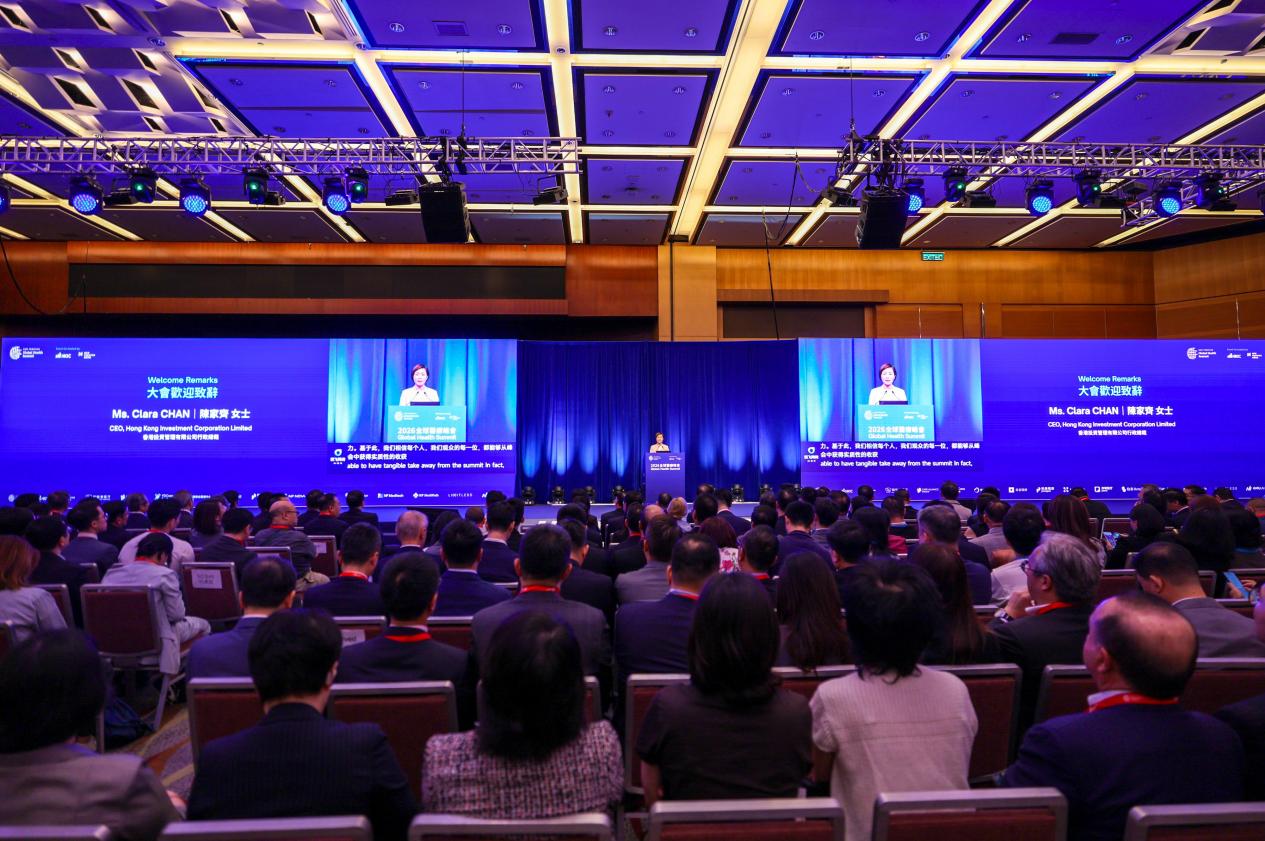
On August 11, 2026, Shenzhen News reported that probiotics brand WONDERLAB launched its new product AKKING™ Multi-Effect Metabolic Probiotic Capsules at the Global Healthcare Summit in Hong Kong, and signed a strategic cooperation with United Family Healthcare, focusing on microbiome research and clinical translation. This news reflects the booming probiotics sector, but as legal practitioners, we are more concerned about the underlying legal risks: from product promotion to clinical data citation, from cross-sector cooperation to consumer rights protection, every link could become a trigger for legal disputes. This article will analyze the legal issues that probiotic companies must confront in new product promotion from the perspective of a Shenzhen lawyer.
The boundaries of advertising: efficacy claims must not cross legal red lines.
Wanyilan's new product centers on "metabolic health management" as its core selling point, claiming to contain 30 billion AKK bacteria combined with multiple ingredients. According to Article 28 of the Advertising Law, advertisements shall not contain false or misleading content, nor deceive or mislead consumers. If the company promotes effects such as "improving metabolism" or "managing weight," it must ensure there is scientific evidence to support these claims; otherwise, it may constitute false advertising.
Article 73 of the Food Safety Law clearly stipulates that food advertisements shall not involve disease prevention or treatment functions and must prominently state that "this product cannot replace medication." If Wanyilan implies in its promotional materials that AKK bacteria can treat obesity or diabetes, it may violate this provision. In practice, market regulatory authorities have issued fines to multiple probiotic brands; for example, one brand was fined several hundred thousand yuan for claiming "weight loss" benefits.
Lawyers advise that enterprises should establish an advertising compliance review mechanism, conduct legal review of promotional copy, and ensure that efficacy claims are supported by authoritative research and expressed rigorously, avoiding the use of absolute terms. At the same time, clear labels such as "not a drug" should be marked on packaging and promotional materials to reduce legal risks.
Legal Risks of Citing Clinical Data: Scientific Research Evidence Cannot Be a Marketing Gimmick
The news mentioned that the AKK bacteria research is supported by clinical data from a 2019 study in *Nature Medicine*, but that study involved only 32 volunteers and was an early exploration. When companies cite scientific evidence in their promotions, they need to be wary of the provisions on false advertising in Article 8 of the Anti-Unfair Competition Law. If a company takes findings out of context, exaggerates research conclusions, or fails to indicate the study's limitations, it may constitute misleading conduct.
Additionally, Article 20 of the Consumer Rights Protection Law stipulates that business operators shall provide consumers with true and comprehensive information regarding the quality, performance, purpose, and validity period of goods or services, and shall not engage in false or misleading publicity. If an enterprise cites clinical data but fails to disclose key information such as a small sample size or results pending verification, consumers may claim fraud and demand a refund plus triple compensation.
In practice, many companies have been taken to court for abusing the "clinical validation" label. For example, a health products company cited foreign research without indicating the source, and the court found that it constituted false advertising. Therefore, lawyers remind companies that when citing scientific evidence, they must indicate the source, sample size, and research phase, and avoid over-interpretation.
Legal Framework for Cross-Sector Collaboration: Hospitals Need to Pay Attention to Qualifications and Liability Allocation in Cooperation
The strategic cooperation between Wanyilan and Harmony Healthcare involves clinical research, product development, and transformation, which inevitably entails a complex legal framework. First, the cooperation must comply with the relevant provisions of the Regulations on the Administration of Medical Institutions and the Drug Administration Law to ensure a clear boundary between medical practices and non-medical products. If the cooperation involves clinical research, it must also adhere to the Good Clinical Practice for Drug Trials and obtain approval from the ethics committee.
Secondly, both parties need to clarify the ownership of intellectual property and confidentiality obligations. According to Article 847 of the Civil Code, the ownership of technological achievements from cooperative development is determined by the contract; if not agreed upon, it belongs to both parties jointly. Lawyers suggest that when signing the contract, the ownership of patents and technical secrets, as well as subsequent usage rules, should be specified in detail to avoid disputes.
Furthermore, the allocation of liability is crucial. If a consumer is harmed by using the product, is it product liability or medical negligence? According to Article 1202 of the Civil Code, if damage is caused by a product defect, the producer or seller shall bear compensation liability; if the medical party recommends the product, it may incur joint liability. Therefore, the cooperation agreement should clearly define each party's scope of liability and insurance arrangements to reduce risks.
Consumer rights protection: How businesses should respond to professional anti-counterfeiting and complaints
The probiotic market is a mixed bag, with frequent consumer complaints and professional fake-fighting. According to Article 55 of the Consumer Rights Protection Law, if an operator provides goods or services involving fraudulent behavior, they shall refund the payment and compensate three times the amount. If Wanyilan's promotional claims do not match the actual effects, consumers may claim compensation based on this provision.
Meanwhile, Article 148 of the Food Safety Law stipulates punitive compensation of "refund and tenfold payment." If a product does not meet food safety standards, consumers may claim tenfold compensation. Enterprises must ensure that product labels, ingredient lists, production qualifications, and other aspects are fully compliant, so as to avoid huge compensation claims arising from minor defects.
Lawyers suggest that enterprises should establish a consumer complaint handling mechanism, respond promptly and keep records, and hire lawyers to intervene when necessary. Regarding professional counterfeit fighters, enterprises should distinguish between reasonable rights protection and malicious claims, respond in accordance with the law, and avoid encouraging extortion by settling matters to appease them.
Conclusion: Legal compliance is the cornerstone of the healthy development of the probiotics industry.
The warming of the AKK bacteria sector is not only a competition of technology, but also a contest of legal compliance. Only by strictly adhering to regulations such as the Advertising Law and the Food Safety Law, standardizing promotional practices, citing data scientifically, and improving cooperation structures can enterprises earn consumer trust and market position. Guangdong Zhiming Law Firm is deeply engaged in legal services for the health industry and can provide probiotic companies with comprehensive support including product compliance review, advertising copy review, cooperation agreement drafting, and dispute resolution, helping enterprises achieve steady and long-term growth on the path of innovation.