Behind McDonald's Mai Mai Farm Traceability Campaign: A Legal Analysis of Catering Supply Chain Compliance and Protection of Farmers' Rights and Interests
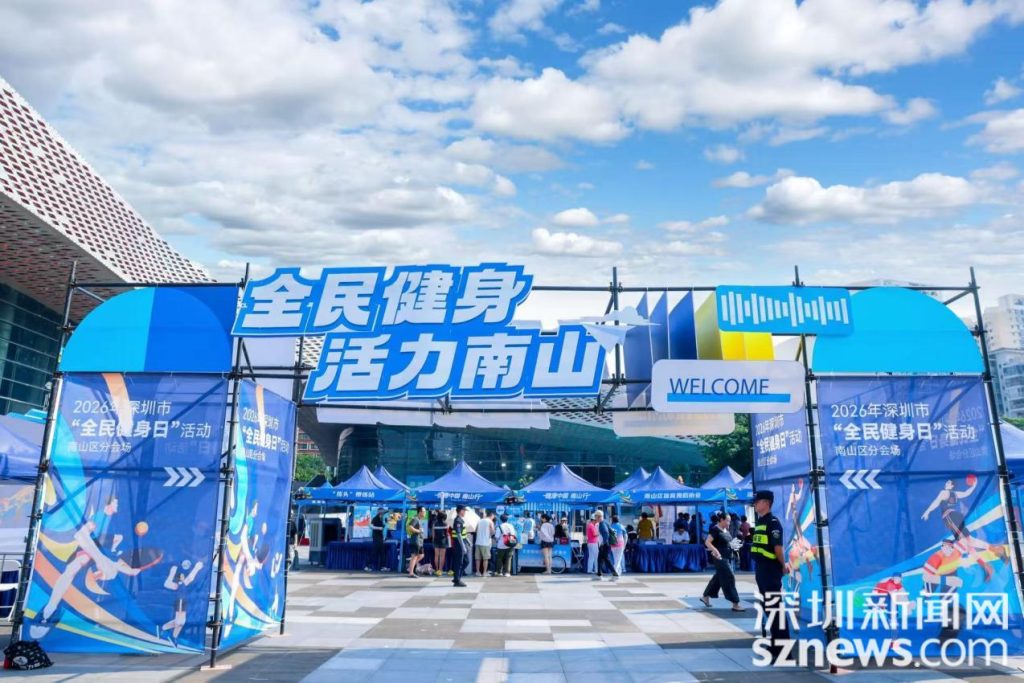
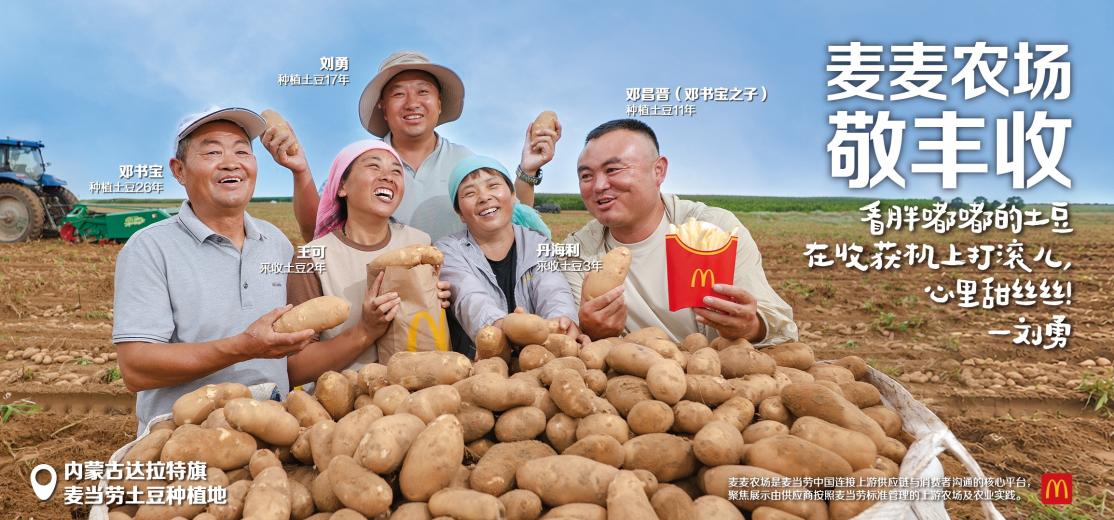
On September 22, the Chinese Farmers' Harvest Festival, McDonald's China launched the "McDonald's Farm Salutes the Harvest" campaign, bringing portraits of farmers growing potatoes, lettuce, and corn in Inner Mongolia, Hebei, Gansu, and other regions to the large screen at Shenzhen's "Bay Window," and launching harvest-themed receipts and interactive content in restaurants nationwide. As of June 2026, McDonald's China had more than 8,000 restaurants in the mainland, procuring more than 300 types of ingredients annually, with a local procurement rate exceeding 95%. From a legal perspective, this marketing campaign touches not only brand communication but also a series of compliance issues in chain restaurant supply chains, including contract management, agricultural product quality and safety, protection of farmers' rights and interests, and intellectual property protection.
Behind a Local Procurement Rate of Over 95%: Legal Risks in Supply Chain Contracts
Large chain restaurant enterprises achieving a high proportion of local procurement means that they have formed long-term, stable contractual relationships with upstream planting bases and processing enterprises. Under the relevant provisions of the Book on Contracts of the Civil Code, a procurement contract should clearly specify core clauses such as the specifications of the subject matter, quality standards, delivery time, acceptance method, and liability for breach of contract. Taking the potato growing cycle disclosed by McDonald's as an example, the period from seedling cultivation to harvest is relatively long. If the contract fails to provide for the allocation of liability in cases of force majeure such as abnormal weather, pests, and diseases, then once production declines or quality fails to meet standards, disputes are highly likely to arise.
In practice, catering enterprises typically adopt a "framework agreement + purchase order" model. The framework agreement locks in long-term cooperation terms, while purchase orders determine the quantity and price for each batch. This model is efficient, but the risk is asymmetric for suppliers—enterprises can adjust order volumes at any time, while suppliers have already invested in land, seeds, and labor. Lawyers in Shenzhen handling commercial contract disputes advise that suppliers should negotiate for minimum purchase commitments or compensation clauses when signing framework agreements, to avoid being "bound without protection."
In addition, qualification review during supplier onboarding is also a compliance priority. Companies need to verify documents such as land use rights for planting bases, pesticide residue testing reports, and food production licenses. If upstream suppliers lack complete qualifications, in the event of a food safety incident, the catering brand may bear joint and several liability under the Food Safety Law.
From Farm to Table: Legal Red Lines for Agricultural Product Quality and Safety
Article 42 of the Food Safety Law requires food producers and operators to establish a food safety traceability system to ensure food is traceable. McDonald's "Mai Mai Farm" project, by showcasing the place of origin and cultivation process through short videos and livestreams, objectively has traceability functions, but a legally defined traceability system goes far beyond marketing content—it requires enterprises to record and preserve information across the entire chain of ingredients from cultivation, processing, and transportation to stores.
The lettuce supply chain is especially illustrative: manual harvesting, washing with cold clean water, and cold-chain transportation—every stage carries a risk of microbial contamination. Under Article 34 of the Food Safety Law, producing or dealing in food with pathogenic microorganisms exceeding the permitted limits is prohibited. If a food safety incident is caused by inadequate washing or a break in the cold chain, the enterprise may face not only administrative penalties but also civil compensation and even criminal liability.
It is worth noting that since 2023, the project has continued to visit actual places of origin and publicly display the images of growers. This may legally constitute the use of farmers' portrait rights and name rights. Under Article 1019 of the Civil Code, without the consent of the portrait rights holder, his or her portrait may not be made, used, or publicly displayed. When enterprises carry out such dissemination activities, they should sign written authorization agreements with the farmers appearing on camera, specifying the scope of use, term, and remuneration, so as to avoid subsequent disputes.
Safeguarding Farmers' Rights and Interests: New Farmers, Successors, and the Definition of Labor Relations
The farmers featured in the event include young people who took over potato farming from their parents, "post-00s" new farmers, and a corn grower who has persisted for over a decade. These subjects typically do not have a direct labor relationship with catering enterprises, but instead cooperate indirectly through suppliers or cooperatives. However, legal risks do not disappear as a result.
If farmers are in fact subject to the direction and management of catering enterprises or their suppliers, such as growing according to specified standards, using designated agricultural inputs, and delivering at specified times, judicial practice may find a de facto labor relationship or service relationship. Once found, enterprises must bear responsibilities such as work-related injury insurance and economic compensation. Lawyers at Guangdong Zhiming Law Firm, in serving catering supply chain enterprises, have found that some enterprises attempt to evade employment responsibilities through multi-layered outsourcing, but if management involvement is too deep, the "outsourcing" shell may still be pierced.
For "post-00s" new farmers and those returning home to take over, legal arrangements such as the transfer of rural land contractual management rights and cooperative equity participation may also be involved. According to the Rural Land Contracting Law, the transfer of land management rights shall be made in a written contract and filed with the contracting party. If the transfer procedures are not standardized, subsequent disputes over the attribution of rights and interests are likely to arise when encountering land expropriation compensation or subsidy applications.
Intellectual Property and Advertising Compliance Boundaries in Harvest-Themed Marketing
"Mai Mai Farm," as a brand project, may have its name, visual identity, farmer quotations, and other content constitute objects of trademark or copyright protection. Enterprises should register relevant marks as trademarks as early as possible to prevent squatting by others. At the same time, if the handwritten quotations from farmers randomly presented on restaurant receipts are compiled and edited by the enterprise, they may form a compilation work, and the ownership of copyright must be clarified in the authorization agreement.
Regarding advertising compliance, the Advertising Law requires advertising content to be truthful and lawful, and prohibits false or misleading information. Statements in event promotions such as "100% locally grown and sourced" must be supported by materials such as procurement records and certificates of origin. If there is in fact an imported proportion in the actual procurement, it may constitute false advertising and expose the enterprise to penalties from market regulation authorities.
Shenzhen, as a city with fierce competition among catering brands, also requires large urban screen advertisements such as "Window of the Bay Area" to comply with outdoor advertising management regulations, and to complete relevant approval or filing procedures. Before placing advertisements, enterprises should confirm that the content does not infringe third-party rights, to avoid infringement litigation triggered by a single photo of a farmer.
From a serving of French fries to a leaf of lettuce, the supply chains of chain restaurants are far more complex than consumers see. For food and beverage businesses, supply chain compliance is not a cost burden but the cornerstone of long-term brand stability; for farmers and suppliers, a well-drafted contract is the most tangible safeguard. Guangdong Zhiming Law Firm has long focused on restaurant supply chains, food safety, and commercial contracts, and can provide food and beverage businesses with professional legal services including supply chain contract review, food safety compliance system development, authorization for the use of farmers’ likenesses, and labor dispute prevention.