Shenzhen National Fitness Day Free Venue Openings: Lawyer's Interpretation of Legal Risks and Compliance Points
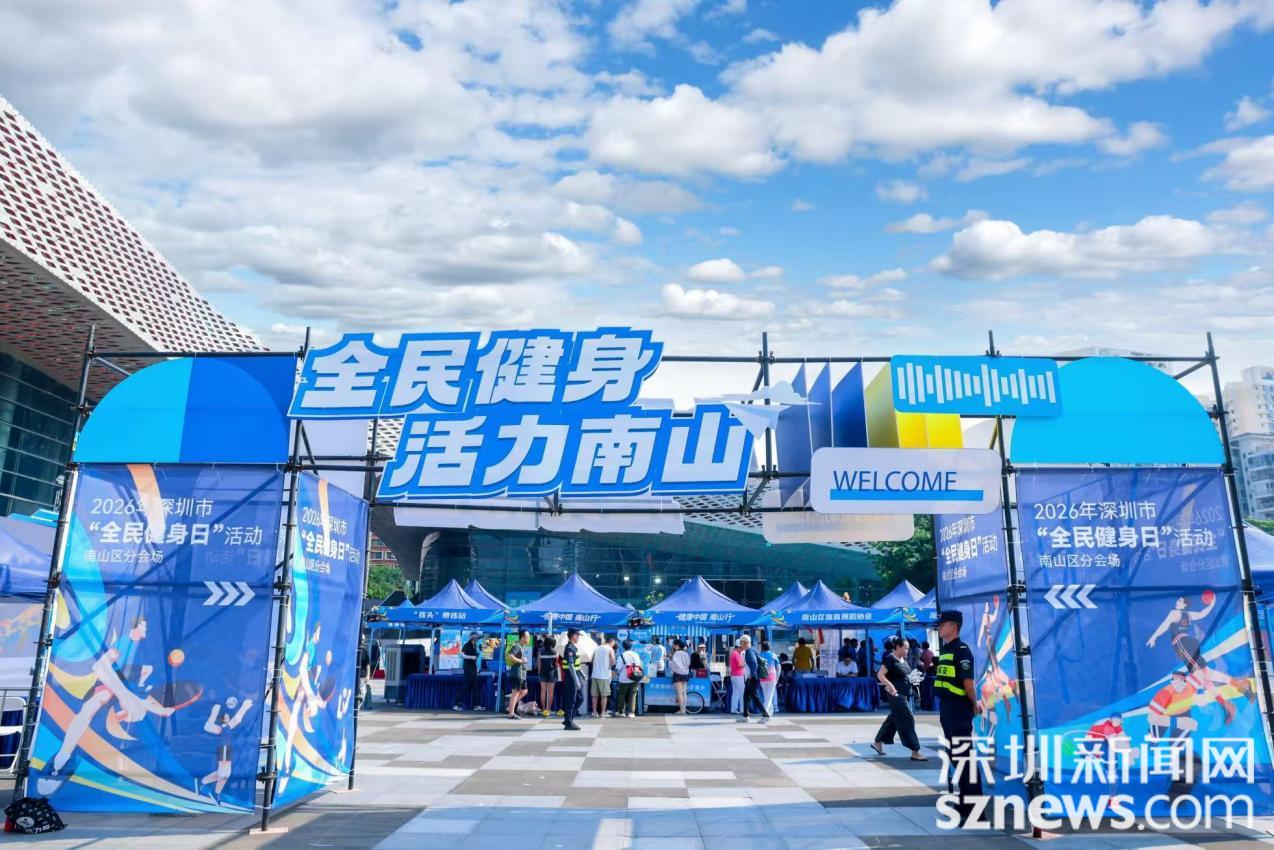
On August 8, 2026, the Nanshan Cultural and Sports Center Plaza in Shenzhen was bustling with activity as the National Fitness Day event, themed "National Fitness · Vital Nanshan," kicked off. The event featured interactive segments such as sports legal education, scientific guidance, and fun challenge games. Additionally, Nanshan District coordinated with 11 sports venues to offer free admission for three consecutive days, providing over 12,000 reservation slots covering popular activities like
Free admission does not equal exemption from liability: the boundaries of a venue's duty of safety protection
Many citizens may mistakenly believe that once an accident occurs at a free public sports facility, the facility operator bears no responsibility. This view is legally untenable. According to Article 1198 of the Civil Code, operators and managers of business premises, public venues such as hotels, shopping malls, and sports facilities, who fail to fulfill their safety protection obligations and thereby cause harm to others, shall bear tort liability. The "operator" here does not have the nature of its obligations changed by whether fees are charged.
In the National Fitness Day activities, 11 venues in Nanshan District were open to the public for free, and the venue operators were still required to fulfill safety protection obligations within reasonable limits, including: ensuring facilities meet national standards (such as the stability of basketball hoops and water quality in swimming pools meeting standards), equipping necessary first-aid equipment and personnel, and setting up clear safety warning signs. In judicial practice, a court once ruled that a sports venue open for free failed to promptly repair a damaged floor, causing a fitness enthusiast to fall and suffer a fracture, ultimately bearing 30% of the compensation liability.
However, it should be noted that the duty of safety protection is not unlimited. If the injury is caused by the participant's own illness or a clear violation of sports rules, the venue may be legally entitled to reduce or be exempted from liability. For example, a citizen with heart disease participated in a high-intensity aerobics class without informing the venue, and suffered a sudden heart attack. The court found that the venue had fulfilled its general duty of rescue and dismissed all claims. Therefore, the venue should ensure "rules posted, facilities up to standard, and timely rescue," while participants should also have a clear understanding of their own health conditions.
Who Bears Liability for Sports Injuries: Application and Exceptions to the Assumption of Risk Principle
In national fitness activities, segments such as group exercises with a hundred participants and fun obstacle challenges are highly interactive, but they also carry hidden risks such as collisions and sprains. In 2021, the Civil Code formally established the principle of "assumption of risk" (Article 1176), which stipulates that if a person voluntarily participates in cultural or sports activities with certain risks and suffers harm due to the actions of another participant, the victim may not request that other participant to bear tort liability, unless the other participant caused the harm intentionally or through gross negligence.
This principle is of great significance to national fitness activities. For example, in a basketball friendly match, if a player causes an opponent's finger fracture through a normal defensive move, as long as the move does not violate the rules of the game and involves no malice, the defending player bears no liability. This encourages citizens to actively participate in sports, without being held back by fear of liability.
However, the principle of assumption of risk is not a "get-out-of-jail-free card." It applies only to "cultural and sports activities with a certain degree of risk," and requires that organizers fulfill their duty of safety. In this N
Sports Industry Compliance: Legal Considerations from Free Activities to Long-Term Operations
National Fitness Day is not only a festival for citizens, but also a concentrated showcase of the sports industry. Nanshan District has set the goal of becoming a "sports powerhouse," and in the future, more social forces will participate in the operation of sports venues, event hosting, and training services. Behind this lies a series of compliance issues that deserve the attention of businesses and investors.
First, venue operation requires obtaining relevant qualifications. According to the Sports Law and the Measures for the Administration of Permits for Operating High-Risk Sports Programs, operating high-risk sports programs such as swimming and rock climbing requires a permit from the sports administrative department and regular inspections. Among the 11 venues in Nanshan District, if swimming pools are included, the operators must ensure that lifeguards are certified to work and that water quality testing meets standards; otherwise, they may face administrative penalties or even suspension for rectification.
Secondly, the hosting of sporting events must go through approval procedures. Large-scale mass activities (with an estimated attendance of over 1,000 people) must apply to public security authorities for safety permits, formulate emergency response plans, and deploy sufficient security personnel. This National Fitness Day attracted several thousand participants in total, and the organizers have clearly fulfilled the relevant procedures, providing a model for other community sports events.
Furthermore, the sports training market is plagued by frequent irregularities, and refund disputes remain persistently high. According to the relevant provisions of the Consumer Rights Protection Law and the Sports Law, training institutions should clearly define service content and fee standards, and establish a prepaid fund supervision mechanism. Shenzhen has already introduced model contracts for sports training; enterprises should proactively adopt them to reduce subsequent disputes.
Citizen Rights Protection Guide: How to Preserve Evidence and Claim Compensation for Sports Injuries
As an ordinary citizen, if you unfortunately suffer an accidental injury while participating in national fitness activities, how should you rationally protect your rights? A lawyer suggests following the steps below:
First, seek medical attention immediately and keep all medical bills and diagnostic certificates. These are the core evidence for a claim. Second, take photos or videos at the scene, recording the location, the condition of the facilities, and the surrounding environment. If injured inside the venue, you may ask the venue to issue a written statement of the situation. Third, report the matter to the event organizer or venue management in a timely manner, and keep all communication records (WeChat chats, emails, etc.). Fourth, if negotiation fails, you may file a complaint with the consumer association or the sports administrative department, or directly file a lawsuit with the people's court.
In litigation, the responsible party must be clearly identified. If the injury arises from a defect in the venue's facilities, the venue operator may be sued; if it arises from the intentional act or gross negligence of another participant, that participant may be sued; if it arises from the organizer's management negligence, the host may be sued. The statute of limitations is three years, calculated from the date the injured party becomes aware of the infringement of their rights.
It must be particularly noted that many citizens give up on claiming compensation after being injured because they are afraid of the trouble, which instead encourages the venue operators' mentality of taking chances. The law is a weapon for protecting rights; reasonably asserting one's rights is not only being responsible for oneself but also can force the sports industry to improve safety standards.
Conclusion: Ensuring the Healthy Development of National Fitness on the Track of the Rule of Law
Behind the lively scenes of National Fitness Day lies Shenzhen's ambition to build itself into an international sports city. However, the prosperity of sports undertakings cannot be separated from the protection of the rule of law. Whether it is venue operators, event organizers, or ordinary citizens, everyone should establish an awareness that "sports carry risks, participation requires rationality, and rights protection has pathways." As legal practitioners, we look forward to seeing more similar activities and are willing to provide professional legal support to all parties in the sports industry, jointly creating a safe, fair, and vibrant fitness environment. Guangdong Zhiming Law Firm has long focused on sports legal affairs and can provide one-stop solutions for venue compliance, event operations, injury disputes, and more, helping Shenzhen's national fitness cause move forward steadily and far.