Sixth Anniversary of Shenzhen’s Waste Sorting Regulations: What Penalties Do Companies and Individuals Face for Improper Disposal? A Lawyer’s Interpretation
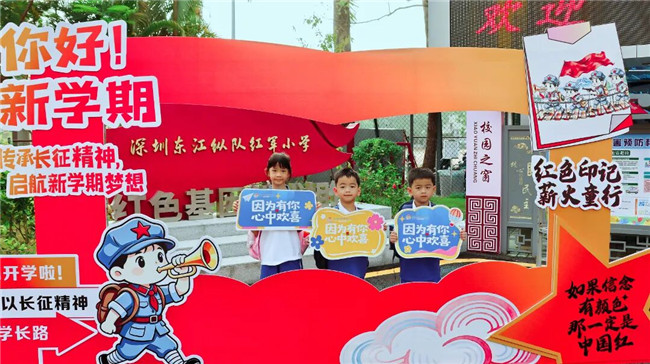
2026年9月22日晚,深圳市城市管理和综合执法局在福田区田面村启动《深圳市生活垃圾分类管理条例》实施六周年”芬芬”进社区志愿引导活动,全市十区同步联动,大批志愿者走上桶边值守,重点推广”可回收物更重要”与”厨余垃圾可扎袋”等分类规范。这场声势浩大的志愿行动背后,是深圳自2020年9月1日起施行垃圾分类条例以来,逐渐从”倡导分类”转向”依法分类”的治理逻辑。对普通市民和物业企业而言,志愿者的微笑引导固然温暖,但真正划清行为边界的,是条例中那些带牙齿的罚则。

Will individuals really be fined for not sorting their waste when disposing of it?
Many residents still misunderstand waste sorting, believing that it is merely a moral appeal and that the worst consequence of sorting incorrectly is a few words from a volunteer. This perception needs to be corrected. Article 20 of the Shenzhen Municipal Regulation on the Administration of Domestic Waste Classification clearly provides that persons obligated to sort and deposit domestic waste shall deposit domestic waste by classification in accordance with regulations. If domestic waste is not deposited by classification as required, the competent department shall order correction; if the person refuses to correct, a fine of 200 yuan shall be imposed on an individual; if the circumstances are serious, a fine of 200 yuan or more but not more than 2,000 yuan shall be imposed.
“情节严重”在执法实践中通常包括多次违规、经劝阻后仍反复混投、在公共投放点随意丢弃等情形。深圳市城管执法部门近年来已多次公开曝光个人违规投放被处罚的案例,部分小区还通过监控回溯锁定违规投放人。需要特别提醒的是,条例还规定,若将厨余垃圾与其他垃圾混合投放且拒不改正,同样适用上述罚则。志愿者桶边引导的”厨余垃圾可扎袋”,正是为了降低居民分类操作难度的同时,确保执法有据可依。
From the perspective of legal practice, if an individual receives an administrative penalty decision, they are not left with no choice but to accept it passively. Parties are entitled by law to the right to make statements and present a defense. If dissatisfied with the penalty decision, they may apply for administrative reconsideration within sixty days from the date of receipt of the decision, or file an administrative lawsuit within six months. However, rather than seeking post hoc remedies, it is better to ensure compliance in advance—one act of tying a bag may prevent a fine.
Property management and those in charge of waste drop-off management bear greater responsibility than residents.
The Waste Classification Regulations impose obligations on management responsible persons that are far more stringent than the penalties imposed on individuals. Articles 21 through 23 of the Regulations systematically set out the duties that property service enterprises in residential areas and waste placement managers shall perform, including installing classified collection containers, posting classification guidelines, supervising classified placement, and promptly clearing and transporting waste. If a management responsible person fails to perform these duties, the competent department shall order rectification within a specified time limit; if rectification is not made within the time limit, a fine of not less than 2,000 yuan and not more than 10,000 yuan shall be imposed.
The heavier liability attaches to mixed collection and transport. The regulations explicitly prohibit the mixed collection and mixed transport of domestic waste that has already been sorted and set out. If a property management company or waste collection and transport unit mixes together and hauls away waste that residents have already sorted, once verified, the entity shall be fined not less than RMB 50,000 and not more than RMB 500,000. This level of penalty is relatively high among Shenzhen local regulations. In practice, there have already been cases in which property management companies were heavily fined for mixed collection and transport, serving as an industry warning.
In addition, if the property management fails to fulfill its management obligations, causing damage to the residential community environment and affecting owners’ health, the owners may also hold the property service provider liable for breach of contract under Articles 285 and 942 of the Civil Code. In other words, the property management’s failure in waste sorting may simultaneously trigger two liability pathways: administrative penalty and civil compensation.
Where is the boundary between voluntary guidance and administrative penalties?
这次”芬芬”进社区行动中,志愿者桶边值守、现场纠正混投行为,属于引导和劝导范畴。但需要厘清的是,志愿者没有行政处罚权。真正作出罚款决定的,必须是具有执法资格的城市管理行政执法人员。
不过,志愿者的现场记录、拍照取证,在执法实践中可以作为线索来源。深圳部分小区已经形成”志愿者引导—物业记录—执法部门查处”的联动机制。这意味着,居民在桶边的每一次投放,都可能被记录。从证据法角度看,行政执法部门作出处罚决定,需要事实清楚、证据充分,志愿者提供的影像资料若能与投放人身份对应,可以作为认定违规行为的辅助证据。
For property service enterprises, cooperating with volunteer initiatives, establishing sorting ledgers, and retaining waste collection and transportation records are both the fulfillment of statutory obligations and exculpatory evidence for responding to administrative inspections or litigation in the future. We recommend that property management companies retain at least six months of sorted waste placement management records and waste collection and transportation contract vouchers for verification.
Enterprises are not classified, and compliance risks are often underestimated.
In addition to residential communities, office buildings, shopping malls, catering businesses, factories, and other such places are also entities subject to the waste classification regulations. The regulations set penalty standards for entities obligated to sort and place waste that are significantly higher than those for individuals. If an entity fails to sort and place waste as required, it shall be ordered to make corrections; if it refuses to make corrections, it shall be fined not less than 5,000 yuan and not more than 50,000 yuan. If a catering business arbitrarily hands kitchen waste to an unqualified entity for collection and transportation, it may also run afoul of relevant provisions of the Shenzhen Municipal Measures for the Administration of Food Waste and even the Food Safety Law, and face multiple penalties.
From a compliance perspective, enterprises should incorporate waste sorting into their daily environmental management system, specifying responsible persons, set-out times, qualification review of collection and transport units, and other aspects. In particular, catering businesses and canteens that generate relatively large amounts of kitchen waste must sign contracts with licensed collection and transport units and obtain collection and transport vouchers. If the entrusted collection and transport party illegally dumps waste, the commissioning enterprise may also be held jointly and severally liable.
Guangdong Zhiming Law Firm has found in the course of serving Shenzhen corporate clients that many small and medium-sized enterprises do not attach sufficient importance to waste sorting compliance and only begin to address it after receiving a rectification notice or a fine. In fact, establishing a sorting management system in advance, keeping collection and transportation ledgers, and training employees cost far less than responding to administrative penalties and civil disputes after the fact.
垃圾分类条例实施六年,深圳的治理思路已从”鼓励参与”走向”依法治理”。志愿者进社区传递的是文明温度,而条例罚则划定的是法律底线。对市民而言,分好垃圾是义务;对物业和企业而言,管好垃圾是合规。若遇到垃圾分类相关的行政处罚、物业纠纷或合规疑问,及时咨询专业律师,远比事后补救更为稳妥。