In Shenzhen, are good Samaritans exempt from liability for damage caused during rescue efforts? An analysis of Article 184 of the Civil Code, the "Good Samaritan Clause," and the legal risks of first aid training.
In August 2026, within the Changfu Garden residential community on Dongxiao Street, Luohu District, Shenzhen, a "relay of life" carried out jointly by a property manager, warm-hearted residents, and a delivery courier drew widespread attention. Convenience store owner Mr. Li collapsed on the ground due to a sudden heart attack. Property manager Hu Juntao and residents took turns performing chest compressions, while the delivery courier called 120 without delay, ultimately saving the patient from danger. Behind this heartwarming incident lie legal issues that ordinary citizens may easily overlook: If secondary harm is caused during the rescue process, should the rescuer bear liability? What legal obligations does participating in first-aid training imply? Lawyers from Guangdong Zhiming Law Firm offer a professional perspective to break down the legal intricacies of this "good deed."

Emergency Rescue Exemption: How the "Good Samaritan Clause" in the Civil Code Protects Rescuers
In this case, the property manager and a热心resident performed chest compressions on Mr. Li, which is a typical act of emergency assistance. Article 184 of the Civil Code clearly stipulates: "Where a person causes damage to the recipient due to voluntarily rendering emergency assistance, the rescuer shall not bear civil liability." This provision is commonly known as the "Good Samaritan Clause," and its legislative intent is precisely to eliminate the concerns of rescuers and encourage the public to step forward in emergency situations.
The lawyer pointed out that applying this provision requires satisfying three elements: first, the voluntary nature of the rescue act, meaning the rescuer has no legal or contractual obligation; second, the urgency of the rescue scenario, typically referring to the victim facing a real and imminent danger to life or health; third, a causal relationship between the harm caused and the rescue act. In this case, Mr. Li suddenly suffered a myocardial infarction and collapsed, in a life-threatening condition. Hu Juntao and others, as non-professionals, voluntarily rendered assistance, fully meeting the above elements. Even if the compression maneuvers caused harm such as rib fractures, as long as the rescuers did not act with intent or gross negligence, they bear no liability for compensation.
It is worth noting that the "Good Samaritan Clause" does not provide absolute immunity. In judicial practice, if a rescuer acts with clear malice or seriously violates basic first-aid principles—such as deliberately delaying assistance or causing unnecessary harm through rough handling—they may still be held liable. However, on the whole, the law maintains a highly protective stance toward good-faith rescuers, and recent rulings in Shenzhen have confirmed this trend.
Public First Aid Training: A Dual Consideration of Legal Obligations and the Boundaries of Responsibility
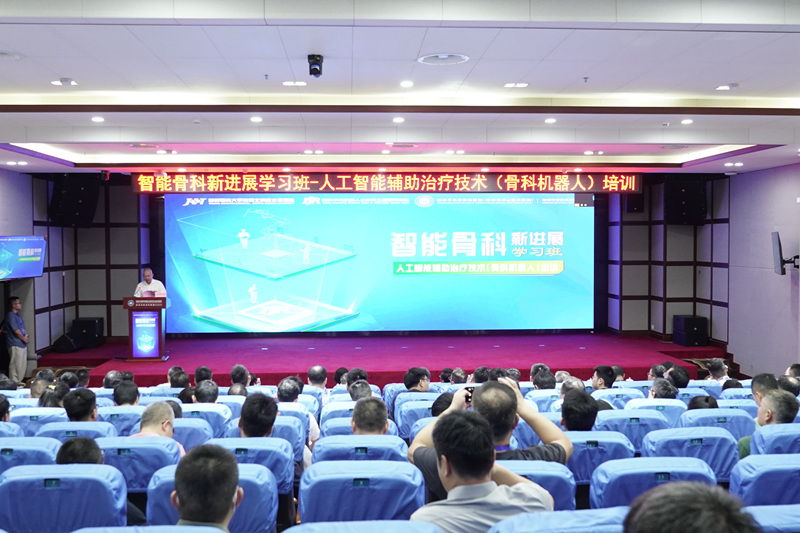
Dongxiao Subdistrict continues to promote first aid training in communities, which is not only a highlight of social governance but also involves the allocation of obligations at the legal level. According to the "Shenzhen Special Economic Zone First Aid Regulations," ordinary citizens are encouraged to participate in first aid skills training, but they are not mandatorily required to undertake rescue obligations. However, once individuals have undergone professional training and obtained relevant certifications, the standard of conduct expected of rescuers may be "raised."
Lawyers analyze that if a trained rescuer stands by idly in an emergency, although it does not constitute legal liability (the law does not mandate intervention in dangerous situations), it may face moral condemnation. Conversely, if a rescuer who has received training operates with serious misconduct, the court may refer to the standard of a "reasonable emergency responder" rather than the general duty of care of an ordinary person when determining fault. This means that training is both empowerment and implies a higher standard of care.
For example, training emphasizes the force and frequency of chest compressions. If a rescuer's obvious operational errors worsen the patient's condition, even if the "Good Samaritan clause" applies, they may not be fully exempted from liability due to gross negligence. Therefore, lawyers advise citizens participating in training to not only learn the techniques but also understand the legal logic behind the operations—providing rescue within one's capabilities and avoiding actions beyond the scope of training (such as blindly administering medication or casually moving a patient with spinal injuries).
From property management to delivery couriers: the legal identity and responsibilities of workers in new forms of employment
In this case, the delivery courier, as a worker in a new form of employment, called 120 immediately and assisted in maintaining order at the scene, and their actions are commendable. However, if they were to participate in actual emergency rescue, how would their legal status be determined? Lawyers have pointed out that workers in new employment forms, such as delivery couriers and food delivery riders, are equally protected by Article 184 of the Civil Code when providing assistance in emergency situations. However, if they perform rescue while carrying out tasks in their capacity as "platform employees," it may involve an overlap of platform liability and personal liability.
For example, if a courier's delivery is delayed because they stop to save someone during their route, can the platform impose penalties? According to the Guiding Opinions on Safeguarding the Labor Rights and Interests of Workers in New Employment Forms, platforms should conduct reasonable performance assessments, and delays caused by acts of bravery or emergency rescue should not serve as grounds for penalties. In practice, however, some platforms lack clear exemption clauses, leaving couriers at risk of negative reviews or fines. Lawyers advise that workers in new employment forms who encounter such situations should preserve on-site evidence—such as photos, videos, or call logs—to protect their rights afterward.
Additionally, do property management staff have a statutory duty to rescue? Under the Property Management Regulations and the property service contract, the property management company bears a certain duty to ensure safety in the public areas of the residential complex, but this generally does not include professional medical assistance. In this case, Hu Juntao's rescue efforts constitute voluntary assistance beyond contractual obligations and still fall under the protection of the "Good Samaritan clause." However, if the property management company fails to equip basic first-aid devices (such as an AED) and does not organize training, it may bear supplementary liability in similar incidents for failing to fulfill its safety guarantee obligation.
Shenzhen's First Aid Legislation and Community Practice: How the Law Safeguards the "Life Guardian Team"
Shenzhen is at the forefront of emergency care legislation nationwide. The Shenzhen Special Economic Zone Emergency Care Regulations, implemented in 2018, explicitly require the installation of AEDs in key public places and encourage social forces to participate in first aid training. In this case, the regular training sessions in Dongxiao Subdistrict exemplify the implementation of these regulations. However, lawyers point out that while the law encourages such efforts, gaps remain: first, the interface between the "Good Samaritan clause" and the reporting obligations of rescuers under the Regulations; second, the lack of legal safeguards for psychological support for members of the public after they provide rescue assistance.
For example, if a rescuer is injured while providing emergency aid (such as a lumbar muscle strain), can it be recognized as a work-related injury or qualify for compensation? Current laws do not provide clear provisions. Lawyers suggest that when citizens participate in emergency rescue, they should note whether it falls under training or activities organized by their employer. If injured in such circumstances, they may seek compensation under the "Workplace Injury Insurance Regulations" or the tort liability provisions of the "Civil Code." Additionally, communities or sub-districts could explore establishing a "Rescuer Reward Fund," providing follow-up protection for rescuers through civil agreements or public welfare donations.
Returning to this case, Mr. Li is now out of danger, but the legal story is far from over. If a dispute arises during the rescue process, how should evidence be provided? Lawyers advise that the rescuer should immediately record video of the scene, keep contact information of witnesses, and truthfully state the events to emergency services or the police. If family members have objections to the rescue methods, they can resolve the matter through people's mediation or litigation, but courts typically refer to first-aid guidelines and expert opinions, and tend to rule leniently in favor of good-faith rescuers.
Lawyer's advice: Make善意rescue more reassuring, and prevent legal risks this way.
This "relay of life" incident is not only a tribute to urban civility but also a vivid lesson in legal awareness. For ordinary citizens, while mastering first aid skills, it is equally important to understand basic legal boundaries: first, quickly assess environmental safety before providing aid to avoid putting oneself in danger; second, remain calm during rescue, follow trained procedures, and avoid moving individuals with suspected spinal injuries; third, after providing aid, proactively hand over care to emergency services or family members to ensure continuity of care.
For businesses and communities, when organizing first aid training, they should clearly inform participants of legal risks and purchase accident insurance. Property management companies can collaborate with neighborhood committees to bring in professional institutions, conduct regular drills, and equip themselves with devices such as AEDs while improving emergency response plans. If legal questions arise, consulting professional lawyers can ensure that good deeds do not lead to lawsuits.
Guangdong Zhiming Law Firm has深耕 Shenzhen's legal services for many years, with extensive experience in areas such as tort liability, labor disputes, and property service contract disputes. If you or your team encounter legal uncertainties during first aid training or rescue operations, please feel free to contact us. We will clarify responsibilities and mitigate risks from a professional perspective, ensuring that every act of goodwill is protected by the law with both gentleness and strength.