What legal risks are involved when an enterprise organizes intangible cultural heritage experience activities? A Shenzhen lawyer analyzes the organizer's responsibilities and the protection of employees' rights and interests.
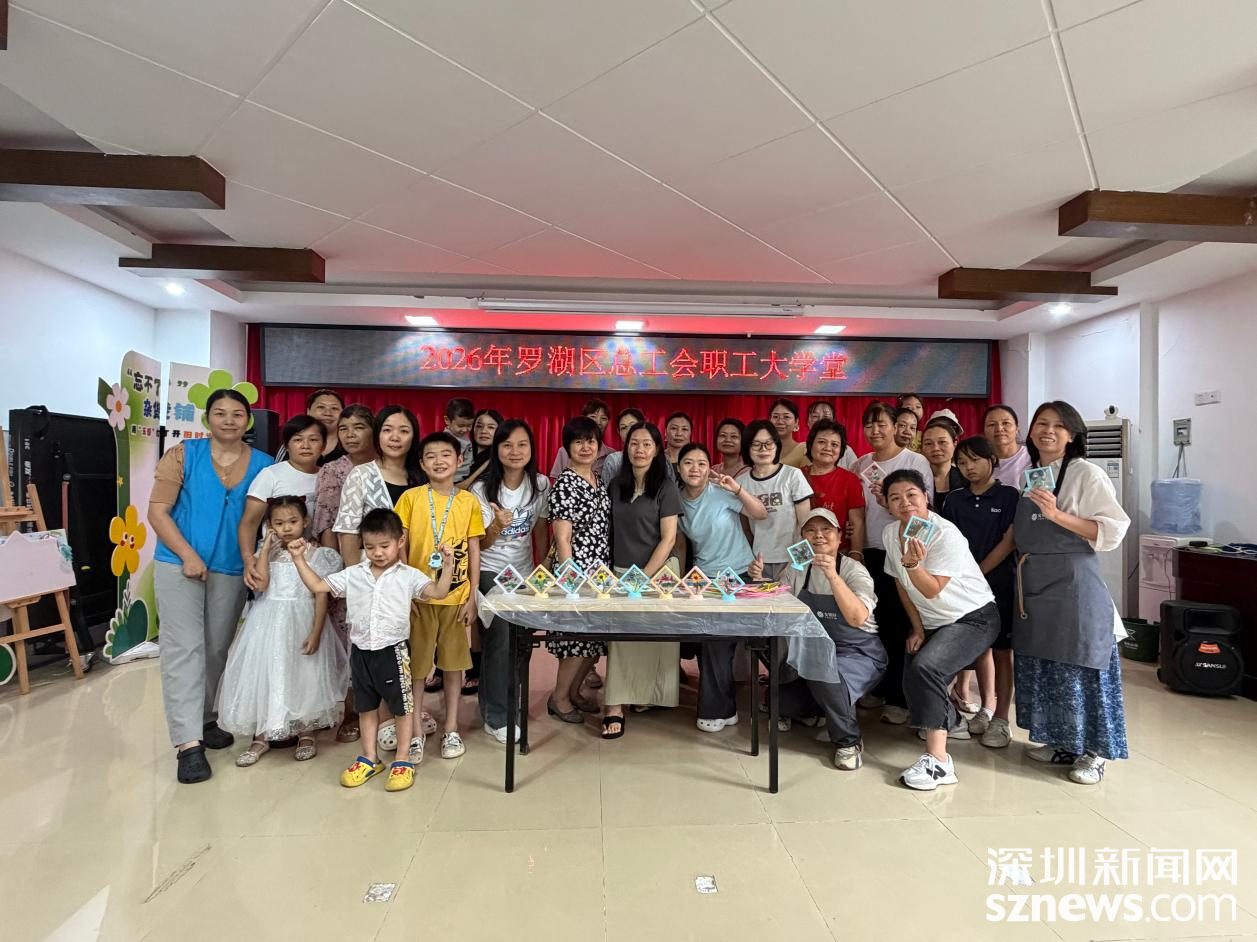
On August 20, 2026, Wutongshan Community in Luohu District, Shenzhen, hosted a distinctive intangible cultural heritage paper quilling gathering, organized by the Luohu District Federation of Trade Unions and undertaken by the Donghu Subdistrict Federation of Trade Unions, attracting 30 enterprise employees to actively participate. The event aimed to enrich employees' spiritual and cultural lives, preserve intangible cultural heritage, and help employees relax both mind and body and alleviate workplace anxiety through hands-on creation. However, behind such a seemingly simple cultural activity lie numerous legal risk points that deserve attention from enterprises, trade unions, and even every participant. As a Shenzhen lawyer, this article will analyze the legal issues in the organization of such activities from a legal perspective and provide practical recommendations for enterprises and employees.
1. Safety Responsibilities of the Event Organizer: Legal Obligations from Venue to Personal Safety
For any offline event, regardless of its scale, the organizing party bears a duty of safety protection. According to Article 1198 of the Civil Code, if operators or managers of business premises or public places such as hotels, shopping malls, banks, stations, entertainment venues, or organizers of mass activities fail to fulfill their duty of safety protection, causing harm to others, they shall bear tort liability. This paper quilling activity is held at the community party and mass service center, with the venue provided by the community. However, the specific organizers of the event—the Luohu District Federation of Trade Unions, the Donghu Subdistrict Federation of Trade Unions, and the co-organizers—may all be identified as organizers of a mass activity and are required to bear the corresponding duty of safety protection.
Specifically, the duty of safety protection includes: ensuring the safety of venue facilities, such as stable tables and chairs, no exposed wires, and unobstructed fire exits; providing necessary safety reminders, such as precautions for the proper use of tools (e.g., quilling needles, glue, etc.); and equipping basic emergency medical supplies to handle unexpected situations. For example, if an employee is injured during an activity due to improper use of tools, and the organizing party fails to provide adequate guidance or safety protection measures, it may be held liable for compensation for failing to fulfill its duty of safety protection.
Additionally, the activity also involves health concerns for participants. Quilling requires prolonged sitting and fine hand movements, which may trigger physical discomfort for employees suffering from cervical spondylosis, lumbar spine issues, or hand-related conditions. The organizers should inform participants of the relevant health risks through registration guidelines or on-site notices before the activity, and advise those with physical discomfort to participate with caution. This not only reflects humanistic care but also fulfills the legal obligation of exercising reasonable duty of care.
II. Intellectual Property Risks in Intangible Cultural Heritage Activities: The Legal Boundaries of Inheritance and Innovation
As a form of traditional culture, intangible cultural heritage paper quilling is itself a public cultural resource and is not directly protected by intellectual property law. However, during related activities, teaching materials, course designs, demonstration works, and other elements involved may give rise to intellectual property issues.
First, if the instructor uses their own original quilling tutorials, design templates, or teaching courseware during the activity, these materials qualify as works protected under the Copyright Law. Without the instructor's permission, the event organizer or participants must not reproduce, distribute, or use them for commercial purposes without authorization. For example, if the event organizer uploads the instructor's teaching videos to an online platform for promotional or marketing purposes, this could constitute copyright infringement.
Secondly, the ownership of copyright in the quilling artworks created by participants during the activity needs to be clearly defined. According to Article 19 of the Copyright Law, for works created under commission, the ownership of copyright shall be agreed upon by the commissioning party and the commissioned party through a contract; where no explicit agreement is made or no contract is concluded, the copyright shall belong to the commissioned party. In this activity, the quilling works completed by employees under the guidance of instructors are personal creative achievements, and the copyright should belong to the employees themselves. If the event organizers plan to use these works for exhibitions, publications, or commercial development, they must sign authorization agreements with the creators in advance, specifying the scope of use and compensation. Otherwise, copyright disputes may arise.
Additionally, if photos or videos used in event promotions contain participants' portraits, attention must be paid to portrait rights issues. According to Article 1019 of the Civil Code, no one may produce, use, or publicly disclose a person's portrait without their consent. Therefore, when taking and publishing event photos, the organizers should obtain written consent from participants in advance to avoid infringing on their portrait rights.
III. Protection of Employees' Rights and Interests in Participating in Activities: From Working Hours to the Determination Boundary of Work-Related Injuries
For enterprise employees, the protection of their rights and interests when participating in activities organized by the trade union is equally worthy of attention. First, does the activity occupy working hours? If the activity is held on a workday and employees participate with the approval of the employer or through organization by the trade union, then according to the Labor Contract Law and relevant judicial interpretations, this time should be regarded as working hours, and the enterprise may not deduct wages accordingly. This paper quilling activity was held on August 20 (Thursday). If employees participate during working hours, the enterprise should pay wages normally; otherwise, it may constitute an illegal act of wage deduction.
Secondly, if an employee is injured during an activity, does it constitute a work-related injury? According to Article 14 of the Regulations on Work-Related Injury Insurance, injuries caused by accidents during working hours and in the workplace due to work-related reasons should be recognized as work-related injuries. Whether participating in activities organized by the employer or the labor union falls under "work-related reasons" is subject to different views in judicial practice. However, according to Article 4 of the Provisions of the Supreme People's Court on Several Issues Concerning the Trial of Administrative Cases Involving Work-Related Injury Insurance, if an employee is injured while participating in activities organized by the employer or activities organized by other entities that the employee is assigned by the employer to attend, and the social insurance administrative department recognizes it as a work-related injury, the people's court should support such a determination. Therefore, if this paper quilling activity was organized by the enterprise or the labor union and the employee participated with the employer's consent, an injury sustained during the activity is likely to be recognized as a work-related injury, and the enterprise would be liable for work-related injury insurance compensation.
Additionally, while the mental relaxation and emotional healing effects of such activities are beneficial to employees' psychological well-being, the organizers also need to pay attention to employees' mental states. If participation is mandatory, it may trigger resistance among employees and even lead to labor disputes. Therefore, organizers should adhere to the principle of voluntariness and avoid linking activity participation to performance evaluations; otherwise, it may violate the provisions of the Labor Contract Law regarding labor quotas and overtime management.
IV. Compliance Recommendations for Enterprises Organizing Similar Activities: From Process to Risk Prevention and Control
Based on the legal analysis above, when organizing activities such as intangible cultural heritage experiences or cultural and sports events, enterprises should ensure compliance management in the following aspects:
First, sign a written agreement. During the event preparation phase, the organizing party should sign written agreements with the venue provider, instructors, co-organizers, and other parties to clearly define the rights and obligations of each party, particularly clauses concerning safety and security responsibilities, intellectual property ownership, and cost-bearing arrangements. If the event involves outsourced services, such as photography and videography or material production, the boundaries of responsibility should also be clarified through contracts.
Second, develop a thorough safety plan. Before the event, conduct a site safety inspection, assess potential risk points, formulate an emergency response plan, and have necessary first aid personnel or equipment on hand. For activities involving tool use, arrange for dedicated supervision and provide safety operation manuals. Additionally, it is recommended to purchase public liability insurance for the event to mitigate some of the risks.
Third, improve the registration and notification procedures. At the time of registration, participants should be required to fill out a health declaration, be informed of the activity content and potential risks, and obtain their confirmation. For activities involving the use of portraits, written authorization from participants should be obtained in advance to avoid subsequent disputes.
Fourth, respect intellectual property rights and the rights and interests of employees. When using others' works or tutorials, authorization should be obtained; employee creativity should be encouraged, but the ownership of works and usage rules must be clearly defined. Activity schedules should avoid working hours, or ensure that wages are not deducted, and adhere to the principle of voluntary participation.
Fifth, retain activity records. This includes activity plans, notices, sign-in sheets, photos, videos, and other materials. These not only serve promotional purposes but also act as compliance evidence, providing strong proof in the event of disputes.
V. Lawyer's Recommendations: Legal Safeguards from Event Compliance to Corporate Culture Development
As a city of innovation, Shenzhen places increasing emphasis on corporate culture development, and activities like intangible cultural heritage experiences help enhance employees' sense of belonging. However, from a legal perspective, risk prevention cannot be overlooked in event organization. Guangdong Zhiming Law Firm has long provided enterprises with legal services in areas such as labor employment and event compliance, helping businesses establish comprehensive legal risk prevention systems. Whether it's preliminary event planning, contract review, or post-event dispute resolution, we offer professional support.
For employees, participating in such activities is a benefit rather than an obligation. They should understand their rights and, in cases of forced participation, wage deductions, or injuries during activities, promptly preserve evidence and consult a professional lawyer. Employers, on the other hand, should prioritize compliance details and integrate risk prevention throughout the entire process of the activity to avoid major losses caused by minor oversights.
The transmission of intangible cultural heritage requires the collective efforts of all sectors of society, and legal compliance serves as a safeguard for this heritage. It is hoped that every event can be carried out in a safe, lawful, and harmonious atmosphere, allowing employees to truly feel cared for and valued.