Behind the New Consumption Loop of Shenzhen-Hong Kong: Legal Compliance and Consumer Rights Protection in the Commercial Upgrade of Luohu Port
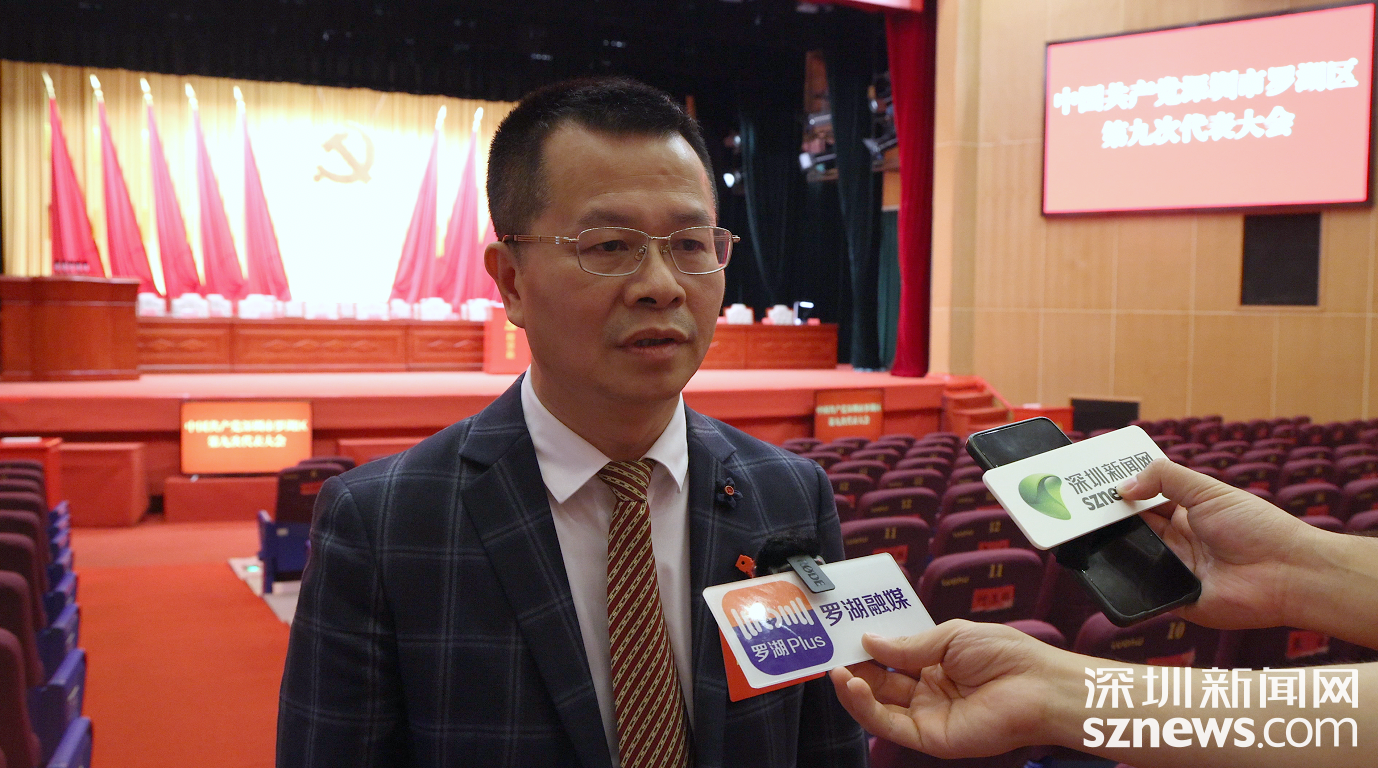
On August 20, 2026, the Ninth Congress of the Communist Party of China Luohu District, Shenzhen, opened, where the new Shenzhen-Hong Kong consumption loop of "attracting in, keeping them staying, driving purchases, and bringing them back" was proposed and drew widespread attention. Li Kangrong, a party representative of Luohu District and head of Golden Glory Plaza, stated that through precise consumption guidance, convenient payment, and multilingual services, Hong Kong visitors would be encouraged to "stay," while brand optimization and the departure tax refund policy would facilitate "purchases," ultimately leveraging the membership system to achieve "sustained repeat purchases." Data shows that Hong Kong visitors currently account for over 30% of Golden Glory Plaza's weekend footfall, with some dining establishments seeing Hong Kong customers contribute as much as 70% of their sales.
This is not only an innovation in business models, but also involves a series of legal compliance issues. As lawyers in Shenzhen, we must recognize both the opportunities brought by the Shenzhen-Hong Kong integration and clearly understand the potential legal risks involved. This article will analyze the legal key points behind this consumption loop from a lawyer's perspective, providing practical guidance for businesses and consumers.
Consumer Rights Protection in Cross-Border Shopping: How Can Hong Kong Shoppers Seek Recourse When Shopping in Mainland China?
"Bringing in" is only the first step, but once Hong Kong visitors come to the mainland to consume and a dispute arises, how the law applies becomes crucial. According to Article 2 of the Law of the People's Republic of China on the Protection of Consumer Rights and Interests, consumers who purchase or use goods or receive services for their daily needs are protected by this law. Hong Kong visitors consuming in the mainland are equally considered "consumers" and enjoy basic rights such as the right to safety, the right to be informed, the right to fair dealing, and the right to seek compensation in accordance with the law.
In practice, Hong Kong visitors may encounter issues such as product quality problems, false advertising, and price fraud. For example, a Hong Kong visitor purchased electronic products in the Luohu commercial area and later discovered they were refurbished units. In such a case, they could invoke Article 55 of the Consumer Rights Protection Law to claim "a refund plus triple damages" from the business operator, meaning the return of the purchase price along with punitive damages equal to three times the price. However, cross-border rights protection faces challenges such as difficulty in evidence collection and enforcement, and Hong Kong visitors often give up on pursuing their rights due to the cumbersome procedures.
Therefore, we recommend that merchants proactively establish a rapid dispute resolution mechanism for cross-border consumption, such as setting up dedicated customer service channels, supporting refunds in Hong Kong dollars, and providing legal consultation hotlines. This not only boosts the confidence of Hong Kong consumers but also reduces legal risks. At the same time, Hong Kong consumers should retain shopping receipts, payment records, and other evidence, and if necessary, file complaints with the Shenzhen Consumers Council or resolve disputes through cross-border mediation mechanisms.
Key Compliance Points of the Departure Tax Refund Policy: How to Avoid the Risk of "Tax Fraud"?
In the "shopping spree" segment, the departure tax refund policy is a key driver for attracting Hong Kong visitors to consume. According to the relevant regulations of the Ministry of Finance and the State Taxation Administration, overseas travelers who purchase refundable items at tax-refund stores at departure ports may apply for a refund of value-added tax. However, this policy is subject to strict conditions: first, the purchase amount must exceed 500 RMB; second, the goods must be carried out of the country within 90 days from the date of departure; third, a "Departure Tax Refund Application Form for Overseas Travelers" must be obtained.
In practice, some merchants may engage in irregular operations to attract Hong Kong customers, such as issuing fraudulent tax refund documents or assisting with tax refunds for goods that do not meet the requirements. Once these actions are investigated and penalized, merchants will face administrative penalties and may even constitute the crime of fraudulently obtaining export tax refunds as stipulated in Article 204 of the Criminal Law. In 2025, Shenzhen tax authorities investigated a case where a shopping mall assisted overseas travelers in fraudulent tax refunds; the involved company was fined 500,000 yuan, and the relevant responsible individuals were held criminally liable.
Lawyers advise that when promoting departure tax refund services, merchants should strictly verify Hong Kong visitors' passports, shopping receipts, and tax refund application forms to ensure consistency among the person, the documents, and the goods. At the same time, they should establish an internal compliance review mechanism and regularly train employees to avoid legal violations due to improper operations. For Hong Kong visitors, when enjoying tax refund benefits, they should also declare truthfully and avoid losing more for the sake of small gains.
Cross-border payments and data security: the legal boundaries behind convenience
Making visitors "stay longer" and "buy more"离不开 convenient payment methods. Currently, Jinguanghua Plaza has fully integrated cross-border payment systems, supporting Hong Kong visitors using Alipay HK, WeChat Pay HK, Octopus, and other tools. However, cross-border payments involve fund flows and data transmission, which must comply with the relevant provisions of the Regulations on the Supervision and Administration of Non-Bank Payment Institutions and the Personal Information Protection Law.
According to Article 39 of the Personal Information Protection Law, before processing personal information, individuals must be informed of the purpose, method, and scope of processing, and their consent must be obtained. When merchants collect payment information and consumption habits of Hong Kong visitors, they must clearly inform them and obtain authorization, and must not collect excessively. In addition, cross-border data transfers must comply with the requirements of the Measures for Security Assessment of Data Export; otherwise, they may face fines of up to 50 million yuan or 5% of the previous year's turnover.
In 2024, a retail enterprise in Shenzhen was penalized by the cybersecurity authorities for transmitting consumer data to overseas servers without user consent. This case serves as a warning that the facilitation of cross-border payments must not come at the expense of data security. Merchants should deploy localized data storage solutions and sign data protection agreements with payment institutions to clearly define responsibility boundaries. At the same time, visitors from Hong Kong should also enhance their awareness of privacy protection and authorize the use of personal information with caution.
Legal Risks in Membership Systems and Marketing Campaigns: From "Repeat Purchases" to "Compliance"
The "come back again" model relies on membership systems and marketing campaigns, but it also harbors legal pitfalls. For example, when merchants offer "Hong Kong customers exclusive discounts" or "cross-border membership points," it may involve issues of price discrimination. According to Article 14 of the Price Law, business operators shall not engage in price discrimination against other business operators or consumers under equal transaction conditions. If merchants set different prices for Hong Kong customers and mainland customers, it may be deemed unfair competition.
Additionally, the standard-form clauses in the membership agreement must comply with Articles 496 to 498 of the Civil Code. If a merchant includes unfair terms in the agreement, such as "the store reserves the right of final interpretation," such clauses may be deemed invalid. In 2025, a shopping mall in Shenzhen was sued by consumers due to opaque rules regarding the expiration of membership points. The court ultimately ruled that the merchant must compensate for losses and revise the terms.
Lawyers advise that when designing membership systems, businesses should ensure rules are open and transparent, avoiding vague language. For marketing activities targeting Hong Kong customers, the activity period, participation conditions, and prize redemption methods should be clearly defined to prevent disputes arising from misleading promotions. Meanwhile, Hong Kong customers should carefully read the agreement when registering as members, and may report unreasonable terms to the Consumer Council.
Conclusion: Legal Safeguards in the Integration of Consumption between Shenzhen and Hong Kong
Luohu's creation of a new Shenzhen-Hong Kong consumption loop is an innovative move for regional economic development, but legal compliance is the cornerstone for steady and long-term progress. Both businesses and consumers should act within the legal framework. Businesses should establish compliance review mechanisms, stay updated on legal developments in areas such as cross-border payments, data security, and consumer rights protection, and engage professional lawyers for ongoing legal advisory services when necessary. Consumers, on the other hand, should strengthen their legal awareness, consume rationally, and learn to use legal tools to protect their own rights and interests.
As a law firm deeply rooted in Shenzhen, Guangdong Zhiming Law Firm has long focused on cross-border consumption, commercial compliance, and other fields, offering one-stop services such as legal risk assessment, contract review, and dispute resolution for businesses in commercial districts. We believe that, under the safeguard of the rule of law, the new closed-loop of Shenzhen-Hong Kong consumption will surely become a model for the integrated development of the Guangdong-Hong Kong-Macao Greater Bay Area.