Tsingtao Brewery Sponsors Pickleball Tournament: Lawyer's Interpretation of Advertising Compliance and Intellectual Property Risks in Sports Marketing
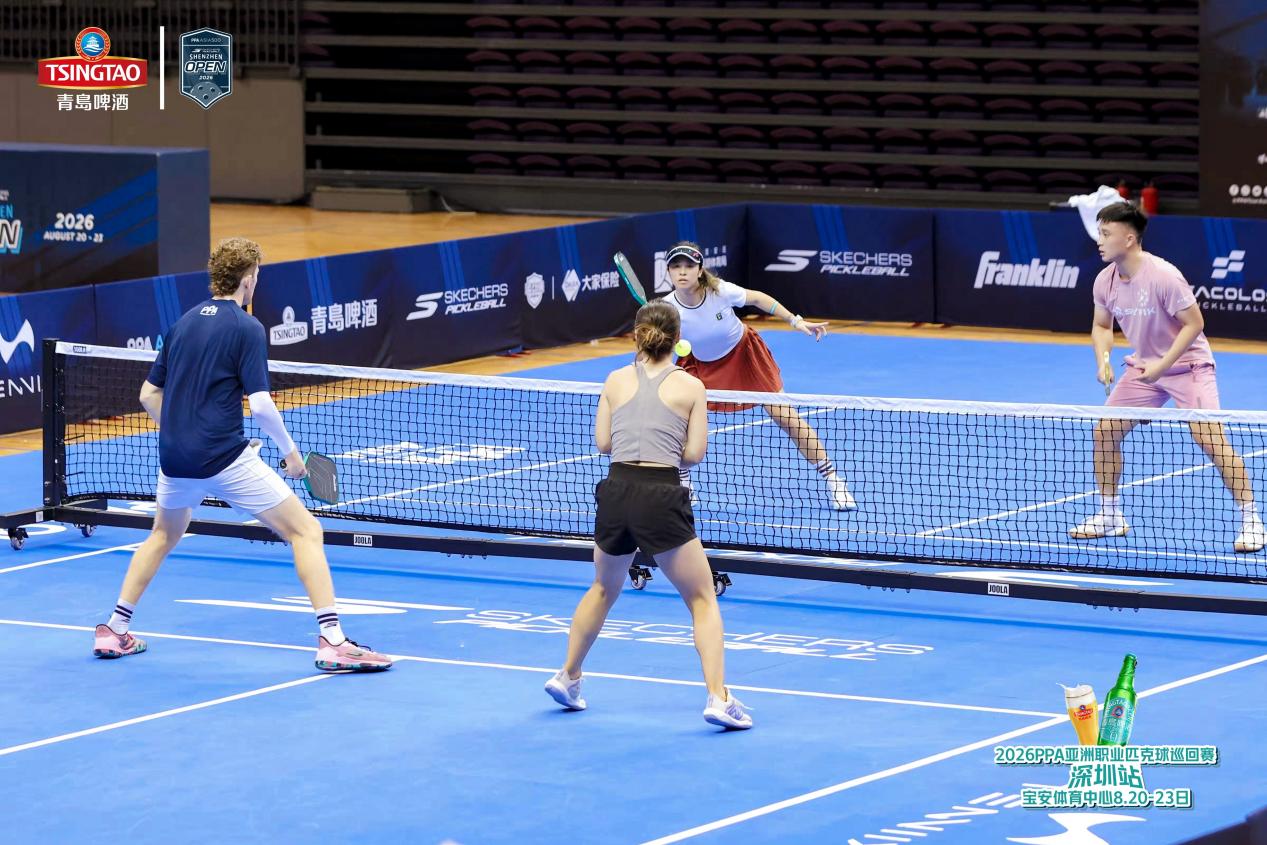
From August 20 to 23, 2026, the 2026 PPA Asia Professional Pickleball Tour 500 Shenzhen Open was held at the Shenzhen Bao'an Sports Center. Tsingtao Beer, as the platinum sponsor, appeared at the venue with its "Qinggan" zero-sugar product, promoting a "zero sugar, light burden" health message in an attempt to capture the minds of young consumers amid the rising wave of sports consumption. This cross-industry marketing may appear to be merely a brand move, but the legal issues involved behind it—such as advertising, trademark use, and protection of sponsorship rights—merit careful examination by business operators. As a lawyer who has long served local enterprises in Shenzhen, this article will analyze common risks and compliance points in sports marketing from a legal practice perspective.
I. Key Contract Clauses and Boundaries of Rights and Interests in Sports Event Sponsorship
Sponsoring an event is not simply "paying money in exchange for exposure." Tsingtao Brewery's cooperation with PPA ASIA as the event organizer necessarily entails the signing of a detailed sponsorship agreement, in which the scope of rights, exclusivity clauses, and liability for breach of contract are the core elements.
From a legal practice perspective, a sponsorship agreement must clearly specify the specific rights and benefits enjoyed by the sponsor, such as event title rights, on-site booth rights, advertising placement locations, and media exposure frequency. If the agreement merely vaguely stipulates the status of "Platinum Sponsor" without listing a detailed schedule of benefits, disputes are highly likely to arise thereafter. For example, if competing advertisements appear at the event site, or if official promotional materials fail to display the brand logo as agreed, the sponsor may face the risk of its rights and benefits being rendered ineffective.
Exclusivity clauses are equally critical. Sports events often have multiple sponsors, and without an exclusivity agreement, competitors in the same product category may also appear at the event, diluting the sponsorship effect. As a beer brand, if Tsingtao Beer were to sponsor an event that also accepts sponsorship from other alcoholic beverage brands, it could violate the sponsor's exclusive rights. Lawyers advise that when signing sponsorship contracts, companies should clearly define the scope of exclusive product categories, breach scenarios, and compensation standards, while also reserving the right to monitor the execution of the event.
Additionally, the payment schedule for sponsorship fees, invoice issuance, and tax treatment must also be clearly specified in the contract. If the event organizer fails to perform its obligations as agreed, the enterprise may claim liability for breach of contract under the relevant provisions of the Contract Book of the Civil Code, including continued performance, remedial measures, or compensation for losses.
II. Compliance Red Lines in Advertising Promotion: No Exaggeration or Misleading
Tsingtao Beer emphasizes "0 sugar" and "light burden" in its promotional materials, which constitutes a functional claim in food advertising. Under Article 28 of the Advertising Law, advertisements must not contain false or misleading content, nor deceive or mislead consumers. If the product is not actually "0 sugar," or the claim of "light burden" lacks substantiation, it may constitute false advertising, subject to administrative penalties and consumer claims for damages.
Legal counsel reminds that when food and beverage companies use terms such as "zero sugar" or "sugar-free" in their marketing, they must comply with the provisions of the National Food Safety Standard for Nutrition Labeling of Prepackaged Foods (GB 28050), which stipulates that the "zero sugar" claim may only be used when the sugar content does not exceed 0.5 grams per 100 milliliters or 100 grams. Additionally, promotional content should be consistent with product labels and testing reports, and the use of absolute terms such as "healthiest" or "No. 1" should be avoided; otherwise, it would violate Article 9 of the Advertising Law and may result in a fine of more than 200,000 yuan.
In addition, sports marketing is often tied to "health" and "exercise," and companies must be careful not to imply that their products have disease prevention or treatment functions; otherwise, they will cross the red line of Article 17 of the Advertising Law. For example, if a company promotes that "drinking alcohol can enhance athletic performance," it may be deemed as misleading consumers.
III. Trademarks and Intellectual Property: Use of Event Logos Requires Authorization
Tsingtao Beer set up a "0 Move Island" exhibition area at the competition venue. The use of elements such as the event logo and portraits of participating athletes all requires corresponding authorization. Event organizers typically hold trademark rights or copyrights to the event name and logo. Sponsors may only use them within the authorized scope; use beyond that scope (such as on product packaging) may constitute infringement.
According to Article 57 of the Trademark Law, using an identical trademark on the same goods without authorization, or using a similar trademark that causes confusion, constitutes infringement. If Tsingtao Beer uses the event logo on beer cans without authorization, it may face an infringement lawsuit from the event organizer. Similarly, the use of athletes' portraits must obtain the consent of the portrait right holder in accordance with Article 1019 of the Civil Code; otherwise, liability such as removal, apology, and compensation for damages may be incurred.
Lawyers advise that companies should clearly define the scope of intellectual property authorization in sponsorship contracts, including usage scenarios, duration, and territory, and agree on the allocation of infringement liability. In actual implementation, all promotional materials (posters, social media posts, booth designs) should undergo legal review to ensure that the sources of materials are legitimate and the chain of authorization is complete.
IV. Legal Implications of Rising Sports Consumption: How Enterprises Can Leverage the Trend While Mitigating Risks
Sports event marketing can rapidly boost brand exposure, but the legal risks should not be overlooked. As a core city in the Greater Bay Area, Shenzhen hosts a wide variety of sports events frequently. Companies participating in sponsorships should complete the following preparations:
First, conduct due diligence on the event organizer's qualifications to confirm clear ownership of the event IP and avoid sponsoring "knock-off" events. Second, refine the contract terms by clearly defining the list of rights, exclusivity clauses, and liability for breach of contract, and engage lawyers to participate in negotiations when necessary. Third, conduct compliance review of advertising and publicity, ensuring all external copy and materials are reviewed by legal counsel or external lawyers to avoid false advertising. Fourth, retain evidence, including the sponsorship contract, payment vouchers, and archived promotional materials, to be prepared for举证 (burden of proof) in the event of disputes.
For ordinary consumers, the concept of "health" in sports marketing should also be viewed rationally. If it is found that product claims do not match reality, you can call 12315 to file a complaint, or claim a refund plus triple compensation in accordance with the Consumer Rights Protection Law.
Amid the wave of sports consumption, businesses must seize opportunities while also building strong legal defenses. Guangdong Zhiming Law Firm has long provided legal services such as contract review, advertising compliance, and intellectual property rights protection to enterprises, helping them achieve steady and long-term growth in marketing innovation. If you have related legal needs, you are welcome to consult with us.