Shenzhen Longgang Provincial Disability Prevention Center Established, Lawyer Interprets Enterprise Compliance Points in the Guangdong Province Disability Prevention and Rehabilitation Measures
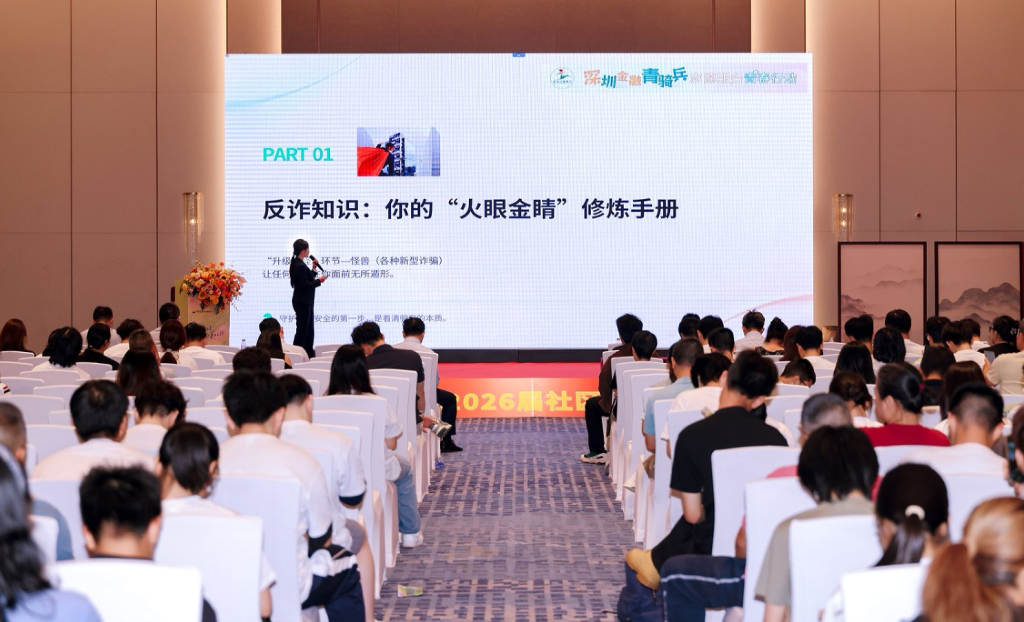
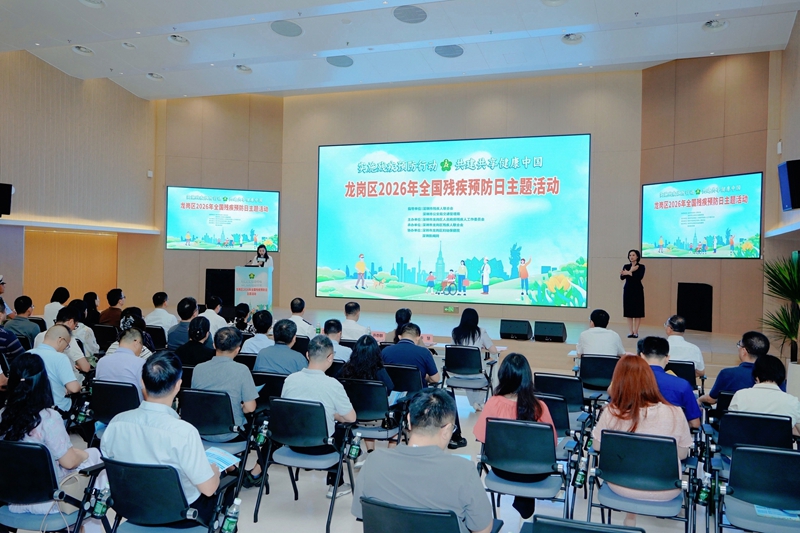
On August 31, 2026, Longgang District held a themed event for the National Disability Prevention Day, and the provincial-level Disability Prevention Service Resource Center was officially inaugurated and settled there. On the same day, the "Guangdong Province Measures for Disability Prevention and Rehabilitation of Persons with Disabilities" (hereinafter referred to as the "Measures") came into effect on September 1. These series of actions mark Guangdong's entry into a new stage of law-based and systematic development in the field of disability prevention. As lawyers in Shenzhen, we are more concerned about what new legal obligations the government, enterprises, medical institutions, and even ordinary citizens will bear after the implementation of the new regulations. In particular, how can employers avoid employment risks and fulfill social responsibilities within the framework of disability prevention? This article will analyze this from a legal perspective.
I. From Policy Advocacy to Rule of Law Guarantee: The Legal Significance of the Implementation of the Measures
The issuance of the "Guangdong Province Measures on Disability Prevention and Rehabilitation for Persons with Disabilities" is not merely a reiteration of policy, but rather elevates disability prevention efforts to an institutional arrangement at the level of local legislation. The Measures clarify the responsibilities of governments at all levels, departments, enterprises, and public institutions in disability prevention and rehabilitation services, and establish a prevention system covering the entire life cycle.
For enterprises, this means that the previous "soft advocacy" relying on self-discipline is now transforming into "hard constraints" with mandatory force. For example, the Measures may specify in detail the concrete obligations of employers in areas such as occupational disease prevention, workplace safety, and injury prevention, while also clarifying the corresponding legal liabilities. If an enterprise fails to implement relevant measures in accordance with the law, resulting in employee injury or disability incidents, it will not only face administrative penalties but may also bear civil compensation or even criminal liability.
From a judicial practice perspective, labor dispute cases arising from work-related injury determinations and occupational disease diagnoses have been increasing year by year. When representing clients in such cases, lawyers have found that many enterprises are not deliberately malicious but rather lack a clear understanding of their legal obligations and fail to implement preventive measures. The implementation of the new regulations provides enterprises with explicit compliance guidelines while also raising the expected cost of violations.
II. New Coordinates for Corporate Compliance: Employment Management from the Perspective of Disability Prevention
Disability prevention is not only a public health issue but is also closely intertwined with labor law and social security law. As the primary employers, enterprises bear an undeniable responsibility in disability prevention. In light of the legislative spirit of the Measures, enterprises should at least strengthen compliance in the following three areas:
First, prevention and control of occupational diseases and health surveillance. According to the Law on Prevention and Control of Occupational Diseases and the Measures, enterprises are required to organize pre-employment, during-employment, and post-employment occupational health examinations for workers engaged in operations exposed to occupational disease hazards, and to establish surveillance records. In practice, some small and medium-sized enterprises, in order to cut costs, omit or merely go through the motions of the physical examination process. Once an employee is diagnosed with an occupational disease, the enterprise will face substantial compensation and administrative penalties. Lawyers advise that enterprises should incorporate occupational health surveillance into routine management and retain complete records for inspection.
Second, workplace injury prevention and production safety. The Measures emphasize reducing the occurrence of disabilities at the source, which is consistent with the prevention principles of the Work Safety Law. Enterprises must improve their work safety responsibility systems, provide labor protective equipment that meets standards, and conduct regular safety training. During its activities, Shenzhen Longgang District specifically included traffic safety presentations to highlight the risk of workplace injuries during commutes. According to the Regulations on Work-Related Injury Insurance, traffic accidents occurring during commutes where the employee is not primarily responsible can be recognized as work-related injuries. Enterprises should pay attention to employees' commuting safety and, when necessary, adjust work hours or provide shuttle buses to reduce the likelihood of accidents.
Third, employment security for persons with disabilities. Disability prevention and the protection of the rights and interests of persons with disabilities complement each other. After the implementation of the Measures, the obligation of employers to arrange employment for persons with disabilities in proportion will become clearer. Those failing to meet the prescribed ratio must pay a disability employment security fund. Lawyers serving enterprises have found that many companies misunderstand the policy on the disability employment security fund or overlook alternative options for proportional employment. The compliant approach is to actively develop positions suitable for persons with disabilities, or fulfill the obligation through labor dispatch, supported employment, and other means, thereby reducing compliance costs while demonstrating corporate social responsibility.
III. Technology-Assisted Disability Support and Legal Boundaries: Risk Prevention in Emerging Fields
During the event, Longgang District showcased technology-assisted disability projects such as brain-computer interfaces, AI hearing aids, and robotic guide dogs, which represent the future direction of disability prevention and rehabilitation. However, the application of new technologies also brings new legal issues.
Taking AI hearing aids as an example, they involve the collection and processing of personal health data. Under the Personal Information Protection Law, health information is classified as sensitive personal information, and its processing requires separate consent and strict protective measures. If companies handle data improperly during product development or service provision, they may face fines of up to 50 million yuan or 5% of the previous year's turnover. Lawyers remind tech-enabled disability assistance companies to establish data compliance systems while innovating.
Additionally, technologies such as brain-computer interfaces may involve procedures like medical product registration and ethical review of clinical trials. If companies deploy these technologies without obtaining the necessary qualifications, it could constitute administrative violations and even lead to infringement disputes. It is advisable for relevant companies to consult professional lawyers as early as possible to ensure that their technological applications operate within the legal framework.
IV. Individual Responsibility of Citizens: How the Law Promotes "Proactive Prevention"
Disability prevention is not only the responsibility of the government and enterprises but is also closely related to every citizen. The Measures encourage individuals to establish the awareness that "one is the primary person responsible for their own health," which also carries legal significance. For example, in traffic accidents, if the victim fails to wear a helmet or violates traffic regulations, it may affect the exercise of their right to claim damages. According to Article 1173 of the Civil Code, if the injured party is at fault for the occurrence or aggravation of the same damage, the liability of the tortfeasor may be reduced.
This means that in traffic accidents or accidental injuries, citizens who can prove they have fulfilled their duty of reasonable care—such as wearing safety gear or following traffic rules—will be in a stronger position to receive full compensation. Lawyers advise citizens to strengthen their awareness of evidence, for example by keeping photos of the accident scene and medical records, so as to protect their rights in disputes. At the same time, for disabilities caused by others' tortious conduct, seeking legal assistance promptly and obtaining compensation through litigation or mediation is an important way to ensure ongoing rehabilitation treatment.
V. Lawyer's Advice: From Compliance to Value Creation
The implementation of the new regulations on disability prevention presents both challenges and opportunities for enterprises. Guangdong Zhiming Law Firm has long focused on the fields of labor and employment as well as tort law, and hereby offers three suggestions:
First, enterprises should promptly conduct internal compliance self-assessments in accordance with the Measures and its supporting regulations, with a focus on reviewing areas such as occupational disease prevention, workplace safety, and employment of persons with disabilities, and rectify any hidden risks in a timely manner. Second, it is recommended to establish an emergency mechanism for disability prevention, including procedures for accident reporting, placement of injured employees, and rehabilitation support. This not only reduces legal risks but also enhances employees' sense of belonging. Third, for technology-enabled disability assistance enterprises, legal counsel should be engaged at an early stage to participate in product design and data compliance, thereby avoiding the passive situation of "developing first, governing later."
Disability prevention is a shared undertaking of the entire society, and the law serves as its solid foundation. From Longgang's practices to the establishment of the provincial center, we can see that Shenzhen is at the forefront of institutionalizing disability prevention through legislation. Whether for enterprises or individuals, proactive action within the legal framework is essential to truly shift from "passive treatment" to "active prevention." Guangdong Zhiming Law Firm is committed to providing professional legal support to all sectors, working together to safeguard health rights and interests.