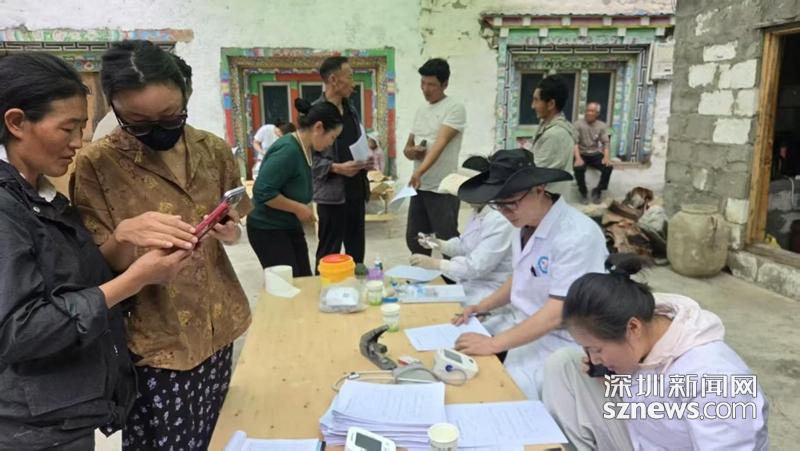
Behind Shenzhen community book donation activities: 3 legal risk points in the procurement and gifting of extracurricular reading materials for minors
Lead
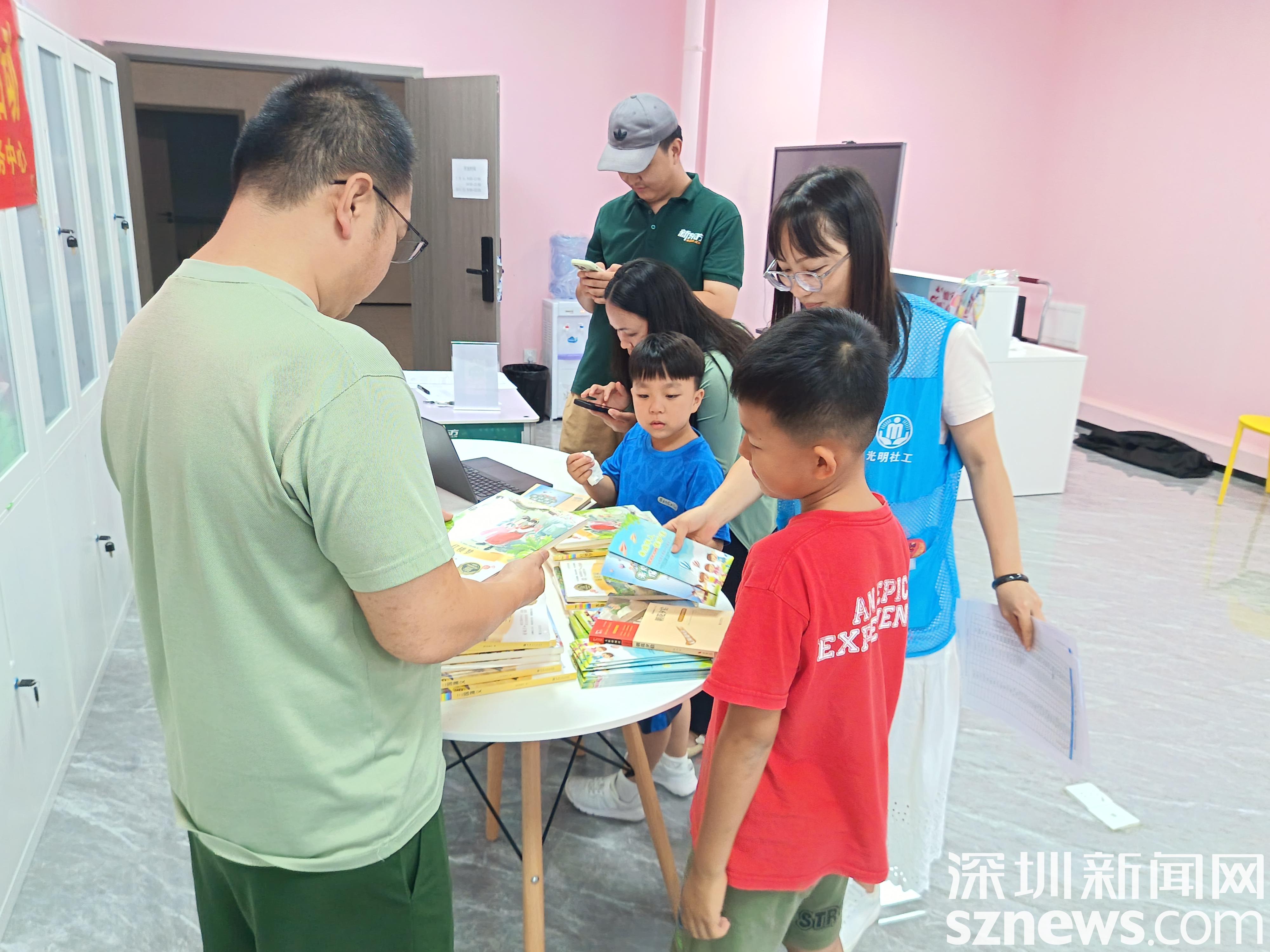
On September 10, 2026, the Party Committee of Nanzhuang Community in Shenzhen held a book donation event titled "Books Accompany Growth, Read Together for the 'Public Good' at the Start of the School Year," presenting classic works such as *Dawn Blossoms Plucked at Dusk* and *Dream of the Red Chamber* as back-to-school gifts to 25 young people in the area. From the perspective of news communication, this is a heartwarming piece of community Party-building news; but from the perspective of legal practice, behind any book procurement and gifting activity aimed at minors lie legal issues such as compliance review of publications, definition of the rights and obligations under gift contracts, and compliance with the Law on the Protection of Minors. When communities, enterprises, and even individuals hold public welfare book donation activities, how can they both convey goodwill and avoid legal risks? Lawyers from Guangdong Zhiming Law Firm provide a professional interpretation of this based on practical experience.
1. Are the donated books "legal and compliant"? Publication review is the first step.
Many people believe that donating books is a good deed, and that as long as the content is healthy and uplifting, there is no problem. However, from a legal perspective, publications donated to minors must first pass a legality review.
According to Article 25 of the Regulations on the Administration of Publication, no publication may contain content that endangers national unity, sovereignty, or territorial integrity; incites ethnic hatred or undermines ethnic solidarity; promotes cults or superstition; or harms public morality or the nation's fine cultural traditions. When a community purchases or accepts donated books, if it fails to review the source and content of the books, and the donated books contain prohibited content, the community, as the organizer of the activity, may face administrative liability.
More notably, Article 50 of the Law of the People's Republic of China on the Protection of Minors, revised in 2021, explicitly prohibits the production, copying, publication, distribution, and dissemination of books, newspapers, films, and other materials that contain content harmful to the physical and mental health of minors, such as the promotion of obscenity, pornography, violence, cults, superstition, gambling, induced suicide, terrorism, and extremism. The recipients of community book donations are adolescents, who fall within the scope of protection under this law. If the content of a book is unsuitable for minors to read, even if it is a classic literary work, it may cross the legal red line due to an inappropriate choice of edition, such as an unabridged version containing violent or pornographic descriptions.
Shenzhen lawyers' practical recommendation: Before conducting book donation activities, communities should establish an internal review mechanism, focusing on verifying the ISBN of publications, the qualifications of publishers, and the age-appropriateness of content. For classics such as Dream of the Red Chamber, it is advisable to select youth-friendly editions recommended by the Ministry of Education or published by legitimate publishers, and to retain purchase receipts and review records for contingency purposes.
2. The legal nature of a gift contract: Can a book that has been given away be taken back?
The act of donating books legally constitutes a gift contract relationship. According to Article 657 of the Civil Code of the People's Republic of China, a gift contract is a contract whereby the donor gives his or her own property to the donee free of charge, and the donee expresses acceptance of the gift. When the community delivers the books to the youth and the youth accept them, the gift contract is established and takes effect.
However, a gift contract is not simply a matter of "giving it away and being done with it." Article 663 of the Civil Code provides for the donor's statutory right of revocation: if the donee seriously infringes upon the lawful rights and interests of the donor or the donor's close relatives, or fails to perform a support obligation owed to the donor, the donor may revoke the gift. In the context of community book donations, although adolescents are unlikely to "infringe upon" the community's rights and interests, if the books have quality problems (such as missing pages, printing errors, or being pirated copies), does the community, as the donor, need to bear liability for warranty against defects?
According to Article 662 of the Civil Code, if donated property has defects, the donor is not liable. However, if the donor intentionally fails to disclose the defects or guarantees that there are no defects, thereby causing loss to the donee, the donor shall be liable for compensation. This means that if the community knowingly donates books that are pirated or have serious quality problems, and this causes harm to the rights and interests of minors (such as vision damage or misleading content), the community may need to bear corresponding liability for compensation.
Furthermore, if the community donates books in the form of a "conditional gift" (for example, requiring teenagers to write reading reflections and participate in evaluations), then according to Article 661 of the Civil Code, the donee shall perform the obligations as agreed. If the teenagers fail to perform, can the community revoke the gift? There is controversy in law, but in practice, communities generally do not claim return on this basis, and it is more often used as a means of activity management.
Lawyers from Guangdong Zhiming Law Firm remind: when planning book donation activities, communities should clearly specify the nature of the gift (unconditional gift or gift with obligations) in internal documents, and retain evidence such as activity plans, procurement contracts, and delivery receipt records, to avoid future disputes arising from defects in the gifted items or issues with the performance of obligations.
III. Minors' Protection and Personal Information Compliance: The "Hidden Minefields" in Book Giveaway Campaigns
Book donation events often involve registering recipients' information, taking event photos, and publishing press releases. These seemingly routine practices actually involve legal issues concerning the protection of minors' personal information.
Article 31 of the Personal Information Protection Law of the People's Republic of China provides that where personal information of minors under the age of fourteen is processed, the consent of the minors' parents or other guardians shall be obtained, and special personal information processing rules shall be formulated. When a community registers information such as the names, ages, schools, and contact details of 25 adolescents, if it fails to obtain the explicit consent of their guardians, it may constitute unlawful processing of personal information.
Meanwhile, Article 72 of the Law on the Protection of Minors also emphasizes that information processors handling minors' personal information through the internet shall follow the principles of legality, legitimacy, and necessity. If a community publishes event photos on official accounts or news media, and minors' faces are clearly identifiable in the photos without obtaining guardians' consent, there is likewise a risk of infringement.
In the practical experience of lawyers in Shenzhen, a similar case has been encountered: a community, without obtaining the consent of the guardians, published a book donation list containing the names of minors and activity photos on the community bulletin board and WeChat official account. The parents later complained to the subdistrict office on the grounds of privacy infringement, and the community ultimately deleted the information and apologized.
Compliance Recommendations: Before conducting a book donation event, the community should prepare a "Notice and Consent Form for the Processing of Minors' Personal Information," to be signed by guardians to confirm whether they consent to the collection of information, whether they consent to the use of portraits, and the scope of such use. For photographs in press releases, it is recommended to apply mosaic blurring or capture only images that do not identify individuals, such as books or people seen from behind. After the event concludes, any personal information no longer needed should be promptly deleted or anonymized.
IV. Examining the Legal Risk Control System of Public Welfare Activities Through Community Book Donations
The book donation activity in Nanzhuang Community is a typical case of combining grassroots Party building with cultural benefits for the people, and it is worthy of recognition. However, from a legal risk control perspective, a compliant public welfare activity should establish a complete chain of "pre-review, in-process documentation, and post-event archiving."
Prior review includes: compliance review of book content, review of supplier qualifications, and development of plans for processing minors' information. In-process documentation includes: putting gift agreements or activity plans in writing, signing guardian consent forms, and keeping delivery and receipt records. Post-event archiving includes: classified archiving of procurement contracts, invoices, review records, consent forms, and other materials, with a recommended retention period of no less than three years.
For enterprises, if they participate in community book donation activities in the form of sponsorship or donation, they must also pay attention to the relevant provisions of the Philanthropy Donation Law of the People's Republic of China, ensuring that the use of donated property conforms to the agreed purposes and obtaining lawful and valid donation receipts. If an enterprise conducts commercial publicity in the name of "donation," it may also involve the regulation under the Charity Law of the People's Republic of China regarding "promising but not donating" or "fraudulent donation."
Guangdong Zhiming Law Firm has long provided pro bono legal counsel services to communities and enterprises in Shenzhen, accumulating extensive practical experience in areas such as compliance review of public welfare activities, protection of minors, and gift contract disputes. We suggest that whether you are a community or an enterprise, when carrying out cultural gift-giving activities for minors, you may wish to consult a professional lawyer in advance and use a compliance plan to safeguard your goodwill, so that the love of reading truly nourishes childhood and the law quietly protects the future.