Shenzhen Dapeng Community's parent-child event featured intangible cultural heritage lai fun and red-themed lectures; lawyer analyzes four major legal risks in grassroots cultural activities.
Lead
On September 14, 2026, Shenzhen News Network reported on a parent-child themed event titled "Tasting Intangible Cultural Heritage, Recalling Red History, and Donating Books to Nourish the People's Hearts," held in Wangmu Community, Dapeng Office, Dapeng New District. The event consisted of three parts: parent-child families making local intangible cultural heritage laifen (rice noodles), Huang Wende, deputy director of the Shenzhen Dapeng New District Museum, recounting red history such as the birth of the first five-star red flag in South China, and the museum donating "Shouldering Moral Duty, Concerned for the World: An Illustrated Record of the Red Revolutionary History of the Dapeng Peninsula in Shenzhen" to the community. From the perspective of community governance and residents' cultural life, this was a typical grassroots public welfare activity.
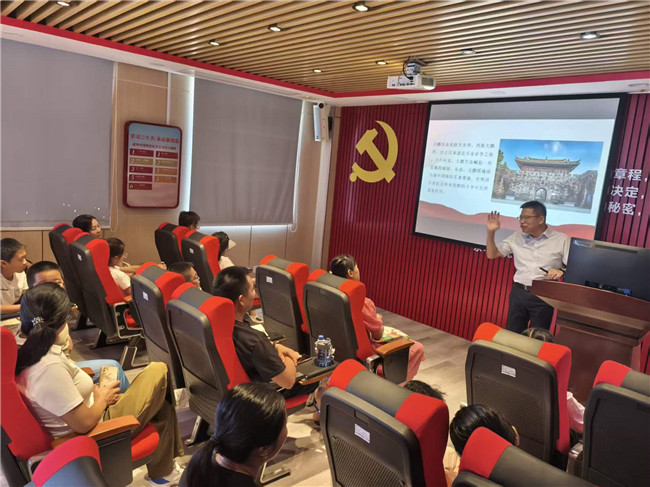
However, as lawyers who have long served Shenzhen communities and grassroots organizations, what we see is not just the lively event scenes, but also the easily overlooked legal relationships behind them: How should safety responsibilities be divided when minors participate in collective activities? Who is responsible for food safety during the preparation of intangible cultural heritage cuisine? Do the images and texts used in red history presentations involve copyright issues? After the community receives donated books, how should it manage them in a compliant manner? If these issues are handled improperly in practice, they may at best lead to complaints, and at worst result in the community or subdistrict office becoming a defendant.
I. Protection of Minors in Parent-Child Activities: Organizers Bear a Greater Duty of Care Than Parents
Article 43 of the Law of the People's Republic of China on the Protection of Minors explicitly stipulates that residents' committees and villagers' committees shall assist relevant departments in educating and rehabilitating minors who have violated the law or committed crimes, and shall provide minors with venues for cultural, sports, and other activities. Meanwhile, Article 16 of the same law requires parents or other guardians of minors to fulfill their obligations for ensuring safety. However, as the organizer of activities, the community's responsibility is not exempted merely because parents are present.
According to Articles 1198 to 1201 of the Civil Code, organizers of mass activities who fail to fulfill their safety and security obligations and cause harm to others shall bear tort liability. In practice, although Shenzhen courts apply a lower safety standard to community public welfare activities than to for-profit training institutions, they still require organizers to: identify venue hazards in advance, provide first-aid personnel and medicines, assign dedicated caregivers for young children, and purchase public liability insurance for the activity.
Special reminder: The rice noodle preparation process involves hot water, open flames, or electrical equipment. If a child gets burned during the activity, it would be difficult for the community to claim full exemption from liability on the grounds that "the parent was present." There was a case in Shenzhen where a community organized a parent-child baking activity, and a 6-year-old child was burned by an oven. The court ultimately ruled that the community bore 40% of the liability and the parent bore 60%. Therefore, it is recommended that the community clearly state safety notice clauses on the activity sign-in sheet and keep records of parents' signatures.
2. Intangible Cultural Heritage Lai Fun Production and Food Safety: Free Tasting Does Not Mean Exemption from Liability
Lai fun is a local intangible cultural heritage item in Dapeng, Shenzhen, and residents make and eat it on site during the event. According to Article 35 of the Food Safety Law of the People's Republic of China, engaging in food production, food sales, and catering services requires obtaining a license in accordance with the law. However, non-profit, temporary food-making experience activities organized by the community generally do not require a food business license.
However, exemption from licensing does not mean exemption from liability. Article 148 of the Food Safety Law stipulates that consumers who suffer harm due to food that does not meet food safety standards may demand compensation from the operator or from the producer. In community activities, if ingredients are purchased from unknown sources, the processing environment is unsanitary, or the operators do not hold health certificates, once food poisoning or foodborne illness occurs, the community and subdistrict office may face administrative penalties and civil compensation.
Practical suggestions for lawyers in Shenzhen: First, retain supplier qualifications and receipts when purchasing ingredients; second, confirm before the event that personnel involved in preparation do not have infectious diseases; third, separate raw and cooked foods and disinfect tableware; fourth, purchase food safety liability insurance. For intangible cultural heritage food experiences, it is recommended that communities cooperate with professional catering institutions, with licensed entities responsible for the processing stage, while communities only provide the venue and organize residents.
III. Red-themed Lectures and Book Donations: Legal Details of Copyright and Gift Contracts
During the event, Deputy Curator Huang Wende recounted the history of the birth of South China's first Five-Star Red Flag and the establishment of the CPC Guangdong Provincial Provisional Committee. These historical facts themselves belong to the public domain, but if historical photographs taken by others, maps, documentary clips, or original expressions from academic works are used in the presentation, copyright issues may arise. According to Article 24 of the Copyright Law of the People's Republic of China, for school classroom teaching or scientific research, translating, adapting, compiling, playing, or making a small number of copies of published works may be done without the copyright owner's permission and without payment of remuneration, provided that the author's name and the title of the work are indicated and that the normal use of the work is not affected. Community red propaganda lectures can generally be classified as fair use under "free performance" or "for the public interest," but it is still recommended to indicate the source of the materials.
The book donation segment involves a gift contract as stipulated in Article 657 of the Civil Code. The Dapeng New District Museum's donation of *Shouldering Morality and Concern for the World: An Illustrated History of the Red Revolution on the Dapeng Peninsula in Shenzhen* to the community constitutes a public welfare gift. A gift contract is a consensual contract, established once both parties reach a mutual agreement of intent. If the museum reneges after promising the donation, the community could theoretically demand delivery. In practice, however, after accepting the donated books, the community should establish a book ledger, designating a custodian and specifying lending rules. If the books are damaged or lost by others, the community, as the donee, may be held responsible for poor management.
Additionally, if the museum's trademark or distinctive name is used for promotion in the book donation event, authorization from the museum must be obtained. Shenzhen lawyers remind that when the community publishes event reports on its official account, if photos provided by the museum are used, the copyright ownership of the photos should be confirmed to avoid being sued over a single image.
IV. Compliance Framework for Grassroots Cultural Activities: What Can Community Legal Advisors Do?
From the above analysis, it can be seen that a seemingly simple parent-child activity involves multiple legal relationships, including the protection of minors, food safety, copyright, gift contracts, and tort liability. In recent years, Shenzhen has vigorously promoted the "one community, one legal counsel" system, and the role of community legal counsel is precisely to help grassroots organizations embed compliance review into the activity planning stage.
Specifically, community legal advisors can: first, review the event plan, identify safety risks, and recommend purchasing public liability insurance; second, draft or revise event sign-in sheets, safety notices, and portrait rights consent forms; third, verify the qualifications of partners, such as intangible cultural heritage inheritors, catering suppliers, and lecturers; fourth, conduct copyright compliance reviews of images, videos, and text in event reports; and fifth, assist with mediation or represent clients in litigation after disputes arise.
Taking Guangdong Zhiming Law Firm as an example, we have long provided legal advisory services to multiple communities, subdistrict offices, and public welfare organizations in Shenzhen, and have handled numerous disputes arising from injuries during parent-child activities, food poisoning, and image infringement. Our experience is this: one compliance checklist beforehand is worth ten crisis PR efforts afterward.
Conclusion
This event in the Dapeng Wangmu community, which combines the intangible cultural heritage laifen rice noodles with revolutionary history, is innovative in format and has drawn strong resident participation—it deserves recognition. But from the perspective of legal risk prevention, community organizers should be aware: a public welfare nature does not exempt them from safety obligations, free tastings do not exempt them from food safety liability, and revolutionary history presentations do not exempt them from copyright compliance. Community governance in Shenzhen leads the nation, and the deep involvement of legal counsel is a key part of that. If your community, school, or public welfare organization is preparing a similar event, I suggest consulting a professional lawyer in advance—so that a good deed is done well, and warmth does not turn into dispute.