Shenzhen lawyer interprets legal risks of integrating agriculture, culture, and tourism: how to comply with the development of characteristic agriculture during the cold dew harvest season
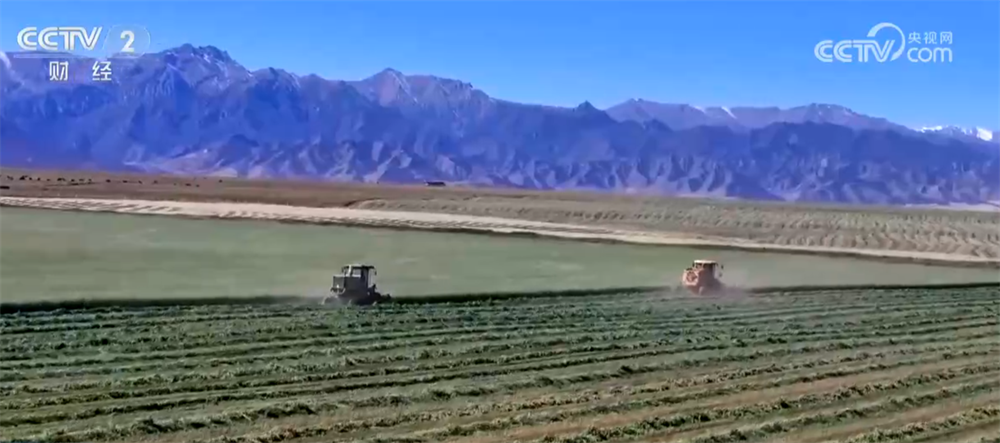
On October 8, 2026, the Cold Dew solar term arrived as scheduled. CCTV reported that many fields were experiencing a bountiful harvest, and characteristic agricultural resources were accelerating their transformation into cultural and tourism consumption advantages. From rice field art festivals to orchard picking tours, from intangible cultural heritage farming experiences to rural homestay clusters, the integration of agriculture, culture, and tourism has become an important lever for rural revitalization. However, behind this "abundant" and limitless industrial feast, there are legal issues such as whether land transfer is legal, whether agricultural product brands are protected, how to divide tourist safety responsibilities, and whether there are loopholes in cooperation contracts. If these legal issues are ignored, the project may be hindered at the slightest, and at the most, it may lead to group disputes. As a team of lawyers deeply involved in legal practice in Shenzhen, we combine laws and regulations such as the Civil Code, Land Management Law, Trademark Law, and Food Safety Law to identify the core legal risks and compliance pathways in the development of agricultural, cultural, and tourism projects.
1、 Land transfer and use control: the first legal red line for agricultural, cultural and tourism projects
Agricultural, cultural, and tourism projects often require concentrated contiguous land for landscape creation, facility construction, and tourist reception. In practice, many enterprises obtain land management rights from village collectives or farmers through leasing. However, if they do not strictly follow the provisions of Article 38 of the Rural Land Contract Law and Article 44 of the Land Management Law on the approval of the conversion of agricultural land, they are prone to crossing the legal red line of "renting instead of collecting" or "greenhouse houses" issues. For example, a certain ecological park project around Shenzhen, without completing the procedures for the conversion of agricultural land, occupied farmland to build catering, homestays, and parking lots. Eventually, it was identified by the natural resources department as illegal land use, and not only was the project demolished, but the investor also faced huge fines.
According to Article 77 of the Land Management Law, those who illegally occupy land without approval shall be ordered to return it by the natural resources department of the people's government at or above the county level. For those who illegally convert agricultural land into construction land in violation of the overall land use plan, new buildings shall be demolished and the land shall be restored to its original state within a specified time limit. Lawyers suggest that when companies develop agricultural, cultural, and tourism projects in Shenzhen and surrounding areas, they should first verify the nature of the land: basic farmland is strictly prohibited from being used for non-agricultural construction; Generally, agricultural land used for activities such as sightseeing and picking that do not damage the cultivated layer also requires registration procedures for facility agricultural land; For the construction of permanent buildings, approval for the conversion of agricultural land must be applied for in accordance with the law. In addition, the contract for the transfer of land management rights should clearly specify the transfer period, usage restrictions, reclamation responsibilities, and breach of contract clauses to avoid contract disputes caused by farmers reneging midway or village collective elections.
2、 Geographical Indications and Trademark Protection: Making Featured Agricultural Products Have Names and Surnames
The "characteristic agricultural resources" promoted in many places in the news are often closely related to the natural and cultural factors of specific regions, such as citrus and tea in a certain area. If these products have not applied for geographical indication protection or registered trademarks, they are easily registered or counterfeited by others, resulting in the loss of brand value. According to Article 16 of the Trademark Law, if a trademark contains geographical indications of goods that do not originate from the area indicated by the indication and mislead the public, it shall not be registered and its use shall be prohibited. At the same time, the "Regulations on the Protection of Geographical Indication Products" provide a specialized protection path for eligible agricultural products.
As an innovative city, although Shenzhen is not a traditional agricultural production area, many enterprises have introduced local specialty agricultural products into the Greater Bay Area market through brand operation and channel advantages. Lawyers remind that when enterprises cooperate with cooperatives or farmers in the place of origin, they should specify in the contract the authorization for the use of geographical indications, product quality standards, and brand rights protection responsibilities. If counterfeit geographical indication products are found in the market, one can claim their rights in accordance with Article 6 of the Anti Unfair Competition Law or report to the market supervision and management department. In 2025, a technology company in Shenzhen was ordered by the court to compensate the rights holder for economic losses and reasonable expenses totaling 300000 yuan for selling counterfeit "XX Honey Pomelo" geographical indication products on e-commerce platforms.
3、 Food safety and consumer rights: Picking tours and rural tourism cannot run naked
The catering, picking, accommodation and other aspects of agricultural, cultural and tourism projects are directly aimed at consumers, and the obligation to ensure food safety and personal safety is the legal bottom line. Article 35 of the Food Safety Law stipulates that those engaged in food sales and catering services shall obtain a license in accordance with the law. Farmhouse and rural homestays providing catering services must obtain a food business license, and employees must hold a health certificate to work. If purchasing edible agricultural products, the supplier's license and product qualification certificate should be checked, and a system of incoming inspection records should be established.
Tourists who fall during the picking process, are accidentally injured by agricultural tools, or suffer from diarrhea due to consuming unclean food may be held responsible for safety protection obligations under Article 1198 of the Civil Code. In similar cases, Shenzhen courts usually review whether the operator has set up warning signs, equipped emergency personnel, and promptly eliminated safety hazards. Lawyers suggest that companies should purchase public liability insurance and food safety liability insurance, set up clear safety notice signs in activity areas, and assign dedicated personnel to guard high-risk projects such as climbing and fishing. At the same time, online ticketing or reservation pages should clearly state refund and modification rules and exemption clauses, but exemption clauses involving personal injury are invalid according to law and cannot be used to resist consumer rights protection.
4、 Cooperation contract and labor employment: Don't let verbal agreements bury hidden dangers
Agricultural, cultural, and tourism projects often involve multi-party cooperation: village collectives provide land, enterprises are responsible for investment and operation, travel agencies are responsible for diversion, and farmers provide agricultural products. If relying solely on verbal agreements or simple agreements, once there are differences in profit distribution, cost sharing, and exit mechanisms, it is easy to reach a deadlock. According to Article 469 of the Civil Code, parties may enter into a contract in writing, orally, or in any other form, but if laws, administrative regulations, or parties agree to use written form, it shall be in writing. The lawyer strongly recommends that all parties involved in the cooperation sign a written contract, specifying the following terms: cooperation mode and duration, investment and income distribution ratio, land and facility ownership, intellectual property ownership, breach of contract liability, and dispute resolution method.
In terms of employment, if seasonal employment does not sign a labor contract or pay work-related injury insurance, once a work-related accident occurs, the enterprise will face the risk of full compensation. According to Article 2 of the Work Injury Insurance Regulations, enterprises, institutions, social organizations, and individual industrial and commercial households with employees within the territory of the People's Republic of China shall participate in work injury insurance. Since 2024, Shenzhen has fully implemented pilot programs for occupational injury protection for workers in new forms of employment. Agricultural, cultural, and tourism enterprises can hire temporary pickers, tour guides, and cleaners to reduce risks through flexible employment platforms or individual work-related injury insurance.
The cold dew harvest season is the golden window for the agricultural, cultural, and tourism industry, as well as a high-risk period for legal risks. From land compliance to brand protection, from food safety to contract management, every step tests the legal awareness of operators. Guangdong Zhiming Law Firm has been deeply involved in the Shenzhen legal service market for many years, accumulating rich practical experience in land transfer, intellectual property, contract disputes, and corporate compliance. We suggest that companies conduct legal due diligence before project initiation, establish a regular compliance review mechanism during operation, and seek professional lawyers' intervention in case of disputes, so that characteristic agriculture can truly become a sustainable "prosperous" landscape rather than a source of legal disputes.