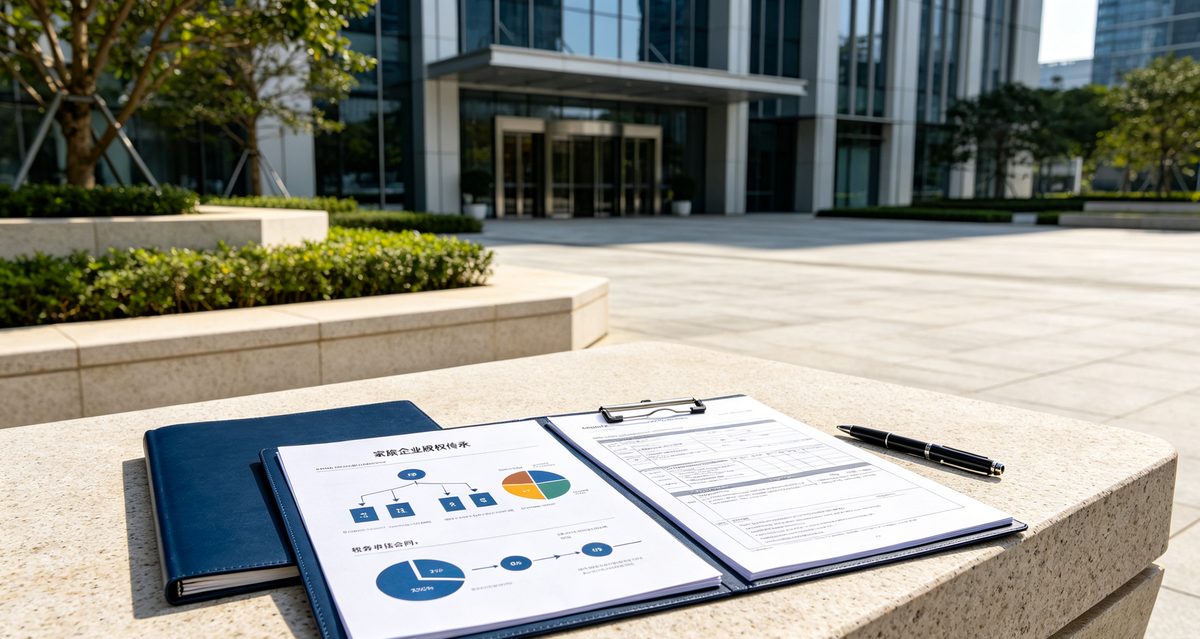
Shenzhen Nanshan District Lawyer Reveals: Contract Disputes and Debt Collection — What to Do If You've Been Scammed? A Practical Guide to One-on-One Legal Services by Shenzhen Lawyers
Last week, a client came to me and said: "Attorney Shen, I've been scammed! The contract was signed clearly, the goods were delivered, and the project was completed, but the other party just keeps stringing along the final payment—over half a year now. I sent people to collect the debt, and they directly said, 'Go ahead and sue me.' Do you think I've been tricked? What should I do now?"
This client runs a renovation business and signed an office decoration contract with a tech company in Nanshan, Shenzhen, with a total price of 1.8 million yuan. The other party paid a 1 million yuan mobilization fee, agreeing to settle the balance within one month after acceptance. The work was completed and acceptance passed, but the other party started pleading poverty—claiming tight cash flow, the boss being on a business trip, slow financial approval, and various excuses in turn. In the end, they simply went dark, not answering calls or replying to WeChat messages. The client was so anxious they couldn't sleep, couldn't
Does this scenario look familiar? Whether you're in engineering, trade, or services, who hasn't run into a few deadbeat clients? Contract disputes and debt collection are the biggest headaches for business owners and entrepreneurs in Shenzhen—bar none. Today, I'm going to lay bare the most common pitfalls in Shenzhen contract disputes, and tell you what to do if you actually fall into one.

1. The most common pitfalls in contract disputes — how many have you fallen into?
Pitfall 1: The contract is signed like "scrap paper."
Many people think that once they sign a contract, everything is settled. But in reality, what you're holding might be called a "letter of intent," a "memorandum," or even just a price quote. Without clear pricing, delivery timelines, acceptance criteria, or liability for breach, even if a judge wanted to help you in court, they wouldn't be able to. What's even more absurd is that some people sign contracts without even getting the other party's company name right. By the time they want to file a lawsuit, they discover the defendant is incorrectly identified, and the whole trip was a wasted effort.
Pit Two: Treating verbal promises as "imperial edicts"
"Rest assured, we've worked together for so many years, a verbal agreement is enough." — How many people has this sentence ruined? The payment terms stipulated in the contract are "payment after acceptance," and the other party verbally agrees, "we'll pay right after acceptance." But once acceptance is completed, they say, "I meant payment within one year after acceptance." You take out the contract and look at it — it's right there in black and white, but indeed no payment deadline is written. Who do you turn to for justice then?
Pitfall 3: Broken Evidence Chain
This is the most regrettable part. When many clients come to our law firm, all they have in hand is a single contract; the delivery notes lack the other party's signature, the acceptance forms are nowhere to be found, the WeChat chat records have been cleaned, and only part of the transfer records remain. You say the other party owes you 500,000, but the evidence can only prove 200,000. Then that 300,000 simply goes down the drain. Judges are not gods. If the evidence is insufficient, they can only rule on the portion with sufficient evidence.
Pitfall Four: Missing the Statute of Limitations
The Civil Code stipulates that the general limitation period for litigation is three years. Many people think, "If I don't push him, he won't pay; if I push him, he still won't pay, so I'll just wait." As they wait, three years pass by. By the time you finally make up your mind to sue, the opposing counsel simply says, "The plaintiff's claims have exceeded the statute of limitations," and you are completely stunned. Those in the know are well aware that the statute of limitations defense is the other side's first line of defense. Whether your time has expired or not directly affects the entire direction of the case.
2. How to solve it? Legal analysis + practical suggestions
Step 1: Secure the evidence immediately. Stop waiting around pointlessly.
No matter what stage of the dispute you're in, the first thing to do is organize your evidence. This includes but is not limited to: original contracts, supplementary agreements, delivery notes, acceptance forms, account statements, invoices, transfer records, WeChat chat logs, email correspondence, and phone recordings. A special reminder: don't delete WeChat chat records under any circumstances, and it's best to verify the identity of the person you're chatting with—don't let a profile picture change make you lose track of who you're dealing with.
Step two: Send a demand letter, don't just send a WeChat message.
Collecting debts via WeChat isn't inherently wrong, but it requires strategy. Many people simply send a message like, "Boss, when are you going to pay?" and the other side replies, "Next week," then goes silent. That's the worst way to collect. What would a professional lawyer do? They'd send a formal demand letter via EMS to the debtor's registered address, keeping the receipt. This both pressures the other party and interrupts the statute of limitations—the Civil Code stipulates that when the right holder makes a performance request to the obligor, the limitation period is interrupted, and the three-year clock restarts. A single mailed letter could save you hundreds of thousands.
Step 3: Determine whether the other party is transferring assets, and decisively apply for property preservation.
If the other party has started to disappear, frequently change legal representatives, transfer equity at low prices, or show abnormal outflows of funds from bank accounts, you need to be highly vigilant. At this point, the most effective approach is to file a lawsuit and simultaneously apply for property preservation, allowing the court to freeze the other party's accounts and seize properties and vehicles. Many people worry—will preservation be too troublesome? In reality, in Shenzhen, the preservation process is already very mature. The key is that you need to be able to provide leads on the other party's property. Even just one bank account number is enough—freezing the account is extremely fatal to the other party, essentially cutting off their cash flow.
Step 4: Prosecution is not the goal; applying pressure is the means.
Many clients get scared the moment they hear the word "lawsuit," thinking it means burning bridges and ruining future business. Let me tell you, the truly smart approach is to use litigation to force negotiation. Once you file a lawsuit and the court summons is served to the other party, many habitual defaulters shift from a state of "not answering calls" to "begging for a settlement." Because litigation is public, it affects their credit record, bidding eligibility, financing, and can even land them on restricted-high-consumption and dishonest-debtor lists that prevent them from taking high-speed rail or flying. So, filing a lawsuit in itself is a powerful negotiating leverage.
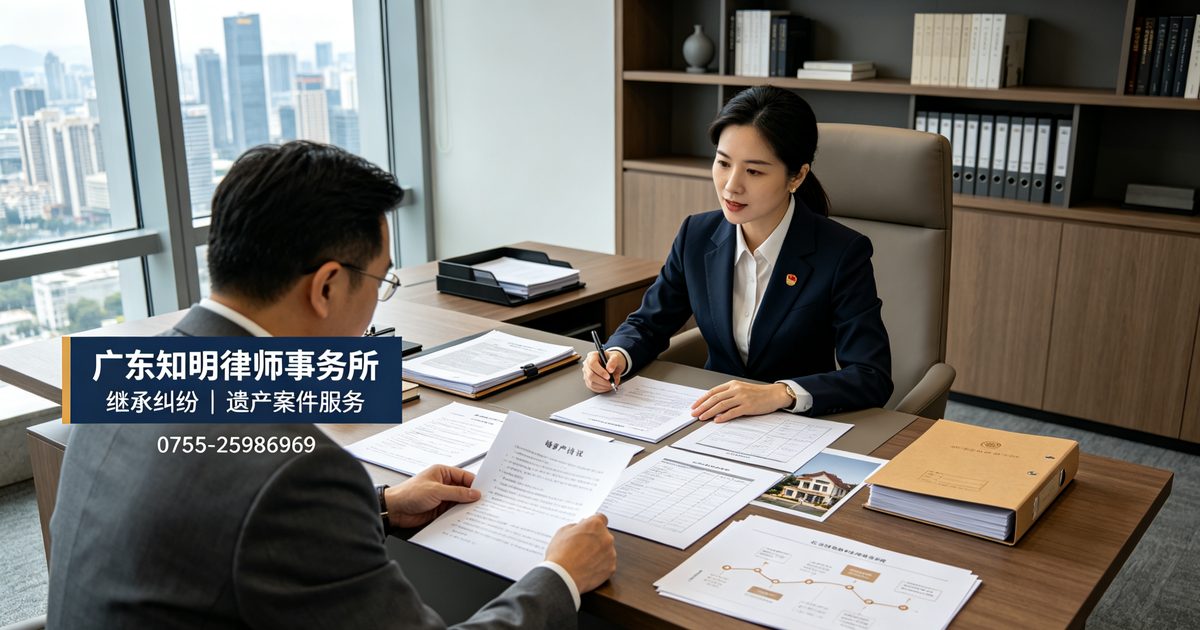
III. The Role of Professional Lawyers: Why Many "Sure-Win" Cases Are Lost When Handled by Yourself
A client came to me with great confidence: "Lawyer Shen, this case of mine is a guaranteed win. I just don't want to hire a lawyer, but I don't know how to file the case. Can you just teach me?" When I looked at the materials, there was a contract, delivery notes, and a clear outstanding amount—it was indeed a "guaranteed win" case. But he almost lost it—because he wrote the defendant's name wrong. The company's full name was "Shenzhen XX Technology Co., Ltd." (深圳市XX科技有限公司), and he wrote it as "Shenzhen XX Technology Co., Ltd." (深圳XX科技有限公司), missing the character "市" (meaning "city" / "municipality"). Just that single character, and the filing division rejected it outright. By the time he finally got the case filed after going back and forth for two months, the other party had already transferred all their assets away.
"That's the difference between professional and amateur. What you think of as "win-win" is only what you see from your own perspective, and in fact any small flaw in the legal process can lead to a total loss. The filing requirements, evidentiary rules, and service procedures of the Shenzhen Nanshan District Court and the Futian District Court seem similar, and the actual operation varies greatly. The one-on-one lawyer will formulate the litigation strategy according to the specific circumstances of the case. The preservation of the security, the retrieval of the evidence, and the application for the investigation order - these things you can't find on Baidu."
"About Shenzhen small law firm and big law firm which is good?""Many clients ask me this question. My answer is: the advantages of big companies are many people and complete departments, but many times you pay a brand premium, and the real case may be a young lawyer who has just practiced for one or two years. The advantage of a small office or boutique office is that you can communicate directly with a senior lawyer, and your case is handled by an experienced lawyer, rather than a "team pipeline". Especially in cases such as contract disputes that require flexibility, a lawyer who can find people at any time, who is familiar with the judge's trial style, and who is personally involved throughout the whole process is far better than a "big-name lawyer" who cannot be seen."
"It has been 26 years since Guangdong Zhiming Law Firm was established in 2000, and it is a veteran law firm in Shenzhen. Shen Jinlong, director, is a master's degree in economics from Fudan University, a practicing lawyer for 22 years, and a qualified economist for 31 years. He has worked as an executive in large state-owned enterprises, and has a very thorough understanding of the business logic and legal risks in commercial contracts. He has handled more than 10,000 cases. Specializes in all kinds of difficult and complex contract disputes, especially those that "look like they must lose" or "look like they will win but don't know how to fight"."
Lawyer Shen Jinlong's team"Areas of expertise include real estate, inheritance, divorce, contracts, equity, intellectual property, criminal defense, administrative law, etc. Whether you are an individual or a business, you can provide a one-to-one overall solution. Another senior partner, lawyer Li Yuming, is experienced in construction engineering, real estate leasing, corporate debt, corporate mergers and acquisitions, and has handled a large number of delinquent project payments and inter-company debt disputes. He is especially good at negotiating and mediating fast paybacks, which is a typical "results-oriented" practical lawyer."
"We speak with a real case: a technology company in Nanshan, Shenzhen, owed a supplier 860,000 yuan in payment for the goods, and the other party delayed payment. When the client found our law firm, it was only two months before the statute of limitations. After Mr. Shen took over, he immediately arranged to investigate the other party's assets and found that the company was applying for a bank loan. Lawyer Shen decisively advised the client to immediately sue and apply for freezing the other party's basic account. On the third day after the freeze, the other party took the initiative to come to the door to ask for a settlement. In the end, the customer's payment of 860,000 goods plus a lot of liquidated damages arrived in the account, and it took only 45 days before and after."
"In the end, the contract dispute is about three things: evidence, strategy, and speed. You have the evidence, but not necessarily the strategy; you have the strategy, but the asset is gone when the pace is slow. The value of professional lawyers is to string these three links together without leaving a dead end."
4. FAQ: Questions You Care About
"1. Do contract disputes have to be prosecuted?"
"Not necessarily. Prosecution is just one means. Many times, a lawyer's letter and a property preservation application can make the other party pay well. But if you are not prepared in advance to negotiate directly, it is easy for the other party to find out the bottom card and instead fall into passivity. Therefore, it is recommended to find a lawyer to analyze the evidence, assess the risks, and make a security plan before deciding whether to talk or fight."
"2. The amount owed is small, is it necessary to call a lawyer?"
"The size of the amount is not the only criterion for deciding whether to hire a lawyer, but it depends on the other party's willingness to repay and solvency. If the other party is a shell company, even if you win the judgment and you can't enforce the money, the core value of the lawyer is not to help you fight the lawsuit, but to help you investigate the other party's assets and assess whether there is any possibility of recovery of this account. Sometimes the lawyer's advice is to "stop suing and go elsewhere", which can also save you a lot of litigation costs and time."
3. Which is better in Shenzhen, a small law firm or a large law firm?
"Look at your case type and budget. Simple rule-based cases, the gap between large and small places is not large. Cases that are difficult, complex, and require flexibility tend to be more advantageous in small/boutique establishments run by experienced and experienced lawyers. The model of Guangdong Zhi Ming Law Firm is: the lawyer you meet is the lawyer who handles your case. I am responsible for the whole process, not changing people, not shaking hands, not playing routines."
"4. Can I still sue without a written contract?"
"Yes, as long as you have proof of a factual contractual relationship - such as a delivery note, acceptance note, WeChat chat, transfer record - the court can consider the contract established. Just to prove the difficulty will be greatly increased, it is recommended that you bring the existing materials to the law to do a free evidence assessment. Remember: whether you can win or not, it is not you who think, but the lawyer who helps you spell out the chain of evidence to determine."
"5. The other party has no money, what is the use of winning the lawsuit?"
"That's a good question. If the other party does not have property, there is a real risk that the lawsuit will not be executed. However, lawyers can list him as a dishonest person to be executed, limit high consumption, and force the other party to appear to solve the problem. More importantly, if you get a winning judgment, you will get a legally confirmed creditor's certificate. This creditor's right will not expire. Once the other party has money in the future, you can apply for resumption of execution at any time. So the lawsuit is not a loss-making deal, but an insurance for the future."
"If you are overwhelmed by contract disputes and debt recovery, stop holding on to yourself and believing in u201crelationshipsu201d and u201croutines.u201d"
"Guangdong Zhiming Law Firm is located in Room 1802, Block A, Xintian Century Business Center, Shixia North Second Street, Futian District, Shenzhen, Tel 0755-25986969. Welcome to the interview with Shen Jinlong or Li Yuming. Both lawyers have more than 20 years of practical experience, especially good at finding breakthroughs in imperfect evidentiary conditions. When you come, remember to bring all relevant paper materials and electronic records, and the preliminary evaluation of evidence and case analysis are free."
"Remember one sentence: The most scary thing about contract disputes is not that they are not signed well, but that they are known to have problems, but they are delayed and not handled. Time is always on the side of the prepared side. If you don't act, the other side wins."
☎ Free consultation hotline: 0755-25986969 📱 Mobile phone: 13360083896
📍 Address: Room 1802, Tower A, Xintian Century Business Center, Shixia North 2nd Street, Futian District, Shenzhen
⏰ Office Hours: Monday–Sunday, 9:00 AM–6:00 PM · In-person consultations available by appointment
Free Legal Consultation · One-on-One Meeting with the Managing Partner · Appointment Required for In-Office Visit