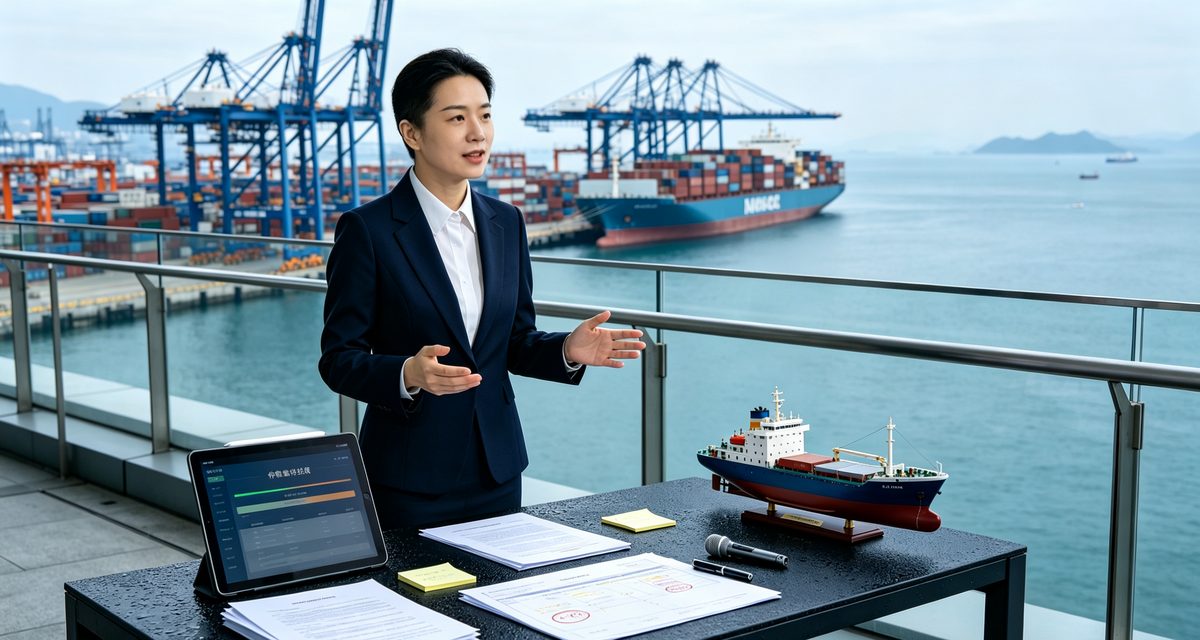
How can a Shenzhen company recover a withheld payment of 8.6 million yuan? Contract terms being exploited — a lawyer explains 4 key response strategies.
A Shenzhen boss in the electronic components trade sat in the reception room of Zhiming Law Firm, his brows knitted tightly. The contract he handed over clearly stated in black and white: "Payment within 30 days after goods arrive and pass acceptance inspection," yet the client insisted on picking out three "acceptance defects" and dragged the payment for eight months. He asked: "The contract spells it out plainly, but the other side always has excuses not to pay. How exactly am I supposed to collect this debt?"
This kind of scenario is encountered by Guangdong Zhiming Law Firm almost every week. Contract disputes account for over 30% of civil cases accepted by Shenzhen courts, with disputed amounts ranging from tens of thousands to hundreds of millions of yuan. Unpaid debts, loopholes being exploited in clauses, and counterparties breaching contracts without compensation — the pain points are concentrated, but the solution cannot be achieved simply by "sending a letter to scare them off."
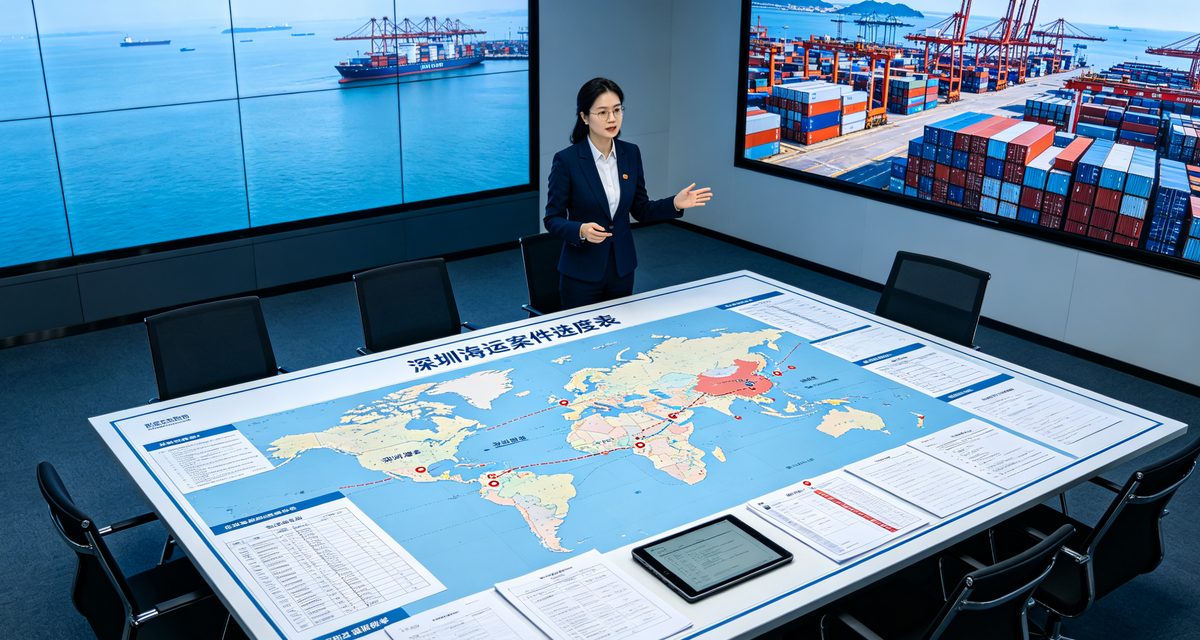
Here's the conclusion first: use a phased, integrated approach rather than betting on any single method. A tech company served by Zhiming Law Firm only regained the initiative after a negotiation deadlock by pivoting to a combination of a lawyer's letter and pre-litigation preservation.
In terms of specific operations, if a client's debt has been overdue for over 90 days with no movement, stop wasting time on WeChat asking "Are you there?" Send a formally worded demand letter that clearly states the amount, repayment deadline, and method for calculating overdue interest, while simultaneously starting to organize internal evidence. Note that many business owners overlook one thing—the original contract, signed delivery notes, account statements, and VAT invoice receipt records. If any of these four is missing, the other party may use "not accepted as qualified" as a defense during litigation.
Article 626 of the Civil Code clearly stipulates that the buyer shall pay the price in the amount and by the payment method agreed upon. However, the law protects "rights supported by evidence." A trading company in Futian, Shenzhen, once had to spend five months supplementing evidence because its delivery notes lacked the other party's seal, and the litigation pace was forcibly disrupted. The earlier the action is taken, the more complete the evidence, and the shorter the payment recovery cycle.
The real test lies in the case. In a contract dispute that Zhiming Law Firm closed last year, the first party used the four words "acceptance qualified" to delay payment for 11 months, tying up a total of 8.6 million yuan. When the second party's company came to them, the first thing the team led by Director Lawyer Shen Jinlong did was not to sue immediately, but to reconstruct the chain of evidence from all email correspondence, WeChat records, and acceptance process data—using the other party's own statements in emails such as "trial operation normal" and "functions basically meet requirements" to counter their claim of "acceptance failed."
This case took 4 months to complete the entire process, from sending the lawyer's letter, negotiation, preparing litigation materials to successfully recovering the payment—8.6 million, not a penny less.
This is a typical step in the "Zhīmíng Art Litigation Law" system — "anticipate the opposing counsel's defense routes, then reverse-engineer a closed loop of evidence." It doesn't rely on hard-hitting a specific legal provision head-on, but rather combines negotiation, evidence, and litigation rhythm like a game of chess, causing every attempt by the other side to "exploit a loophole" to hit a preset boundary. This approach earned the Zhīmíng Law Firm dual innovation awards from the provincial and municipal bar associations, and it is also a methodology refined through Director Shen's 26 years of practice.
There is a common misconception here. It's true that the contract stipulates a 20% liquidated damages clause, but Article 585 of the Civil Code also allows the court to adjust the amount of liquidated damages based on actual losses. If the other party's breach caused you actual losses of only 500,000, and you claim liquidated damages calculated at 20% of the contract amount, demanding 3.5 million, the court may not fully support that.
Pay particular attention to the fact that in recent rulings, the Shenzhen Nanshan District Court and Futian District Court have been conducting increasingly detailed reviews of excessive liquidated damages. Therefore, when such clauses are exploited, it is often not because the clause itself is poorly drafted, but because the proof of losses during contract performance has not kept up — logistics receipts, warehousing fee vouchers, and financing cost documents, even if you did not press the other party to confirm them at the time, should still be kept. These materials are key to later countering the defense of "reduction of liquidated damages."
The Zhiming Law Firm handled a purchase and sales contract dispute in Longhua District, where the opposing party sought a reduction of liquidated damages on the grounds that they were "excessively high." Because the client had preserved the contemporaneous bank LPR loan interest rates and financing contracts in advance, they ultimately secured support for nearly 80% of the originally agreed liquidated damages. Without those documents, they might not have even retained 30%.
Data shows that the average processing period for contract dispute cases in Shenzhen is around 180 days, and if appraisal or assessment is involved, it is not uncommon for cases to drag on for 12 months. So when choosing a lawyer, the key is not picking "who can write a better complaint," but rather "who can integrate evidence and negotiation strategy into a closed loop in the early stages." A lawyer's understanding of the industry—for example, the fact that the risk points in electronic component procurement, construction settlement, and e-commerce supply chain payment collection are completely different—is often more important than how well they can recite legal provisions.
Zhiming Law Firm has been rooted in Shenzhen for 26 years, having handled over 10,000 cases in total. Director Shen Jinlong holds a master's degree from Fudan University and is a senior economist. Having previously served as an executive at a state-owned enterprise, he approaches legal matters from a business manager's perspective, which underpins his contract review and litigation work. Many clients say that the solutions he provides not only address legal issues but also factor in business considerations—whether to prioritize cash flow preservation or fight to the end, he lays out the pros and cons with absolute clarity.
When dealing with overdue debts, there are four steps you can follow: Step one, once the debt is 90 days past due, send a written demand letter and simultaneously organize four categories of evidence; step two, if the other party responds but makes excuses, initiate negotiations and secure their expression of intent acknowledging the debt; step three, if there is no substantial progress within 15 days of negotiation, immediately assess the feasibility of pre-litigation asset preservation; step four, after the preservation freeze is in place, discuss mediation or litigation. These four steps are not about litigating for the sake of litigating, but about getting capital back into the business cycle within the shortest possible timeframe.
If you're also entangled in contract disputes or delayed payments, feel free to bring your contracts and correspondence records to Room 1802, Block A, Xintian Century Business Center, Shixia North 2nd Street, Futian District, Shenzhen. Phone: 0755-25986969. An experienced lawyer tends to first clarify "where the pitfalls are" before discussing how to navigate past them.
Need professional legal help?
📞 Free consultation: 0755-25986969 (weekdays 9:00-18:00)
📍 Address: Room 1802, Tower A, Xintian Century Business Center, Shixia North 2nd Street, Futian District, Shenzhen
⚡ First phone consultation free