Cemetery Prices Exceeding Housing Prices Sparks Heated Debate: Legal Risks and Rights Protection Guide for Grave Purchase Contracts under the 2025 Funeral Reform
On the eve of the Qingming Festival, a news story about cemetery prices exceeding housing prices once again thrust the funeral industry into the public spotlight. According to reports, the unit price of high-end cemeteries in some cities has surpassed 100,000 yuan per square meter, far exceeding local average housing prices, prompting many residents to exclaim that they "can't afford to die." Meanwhile, local governments in multiple regions have introduced ecological burial subsidy policies to encourage land-saving ecological burial methods such as tree burials and flower bed burials, yet the tension between traditional concepts and exorbitant prices remains acute. As lawyers, we have observed that this social phenomenon conceals numerous legal risks—from the validity of cemetery sales contracts to the term of land use rights, from identifying illegal commercial cemeteries to protecting consumer rights, every link has the potential to become a flashpoint for disputes. This article will, from the perspective of legal practice, clarify the key legal points and rights protection pathways in cemetery transactions for the public.

The Validity and Legal Characterization of Cemetery Plot Sales Contracts
Cemetery transactions are legally sales contracts for special commodities, but their subject matter is not an ordinary commodity; rather, it is a right attached to land use rights. Under Article 595 of the Civil Code, a sales contract is one in which the seller transfers ownership of the subject matter to the buyer, and the buyer pays the price. However, cemetery use rights are not ownership rights, but rather usufructuary rights based on land lease or allocation. In practice, the contracts signed between formal commercial cemeteries and purchasers are mostly "Cemetery Use Contracts" or "Grave Plot Use Right Transfer Contracts," the nature of which is contractual obligation agreements rather than transfers of property rights.
The key legal issue is that if the land on which the cemetery is located is collectively owned by rural villages or has not been approved by the civil affairs department, the contract may be rendered void due to violation of the mandatory provisions of Article 44 of the Land Administration Law and Article 9 of the Funeral Management Regulations. For example, in one case, villagers privately designated contracted land as a cemetery for sale, and the court ultimately found the contract invalid; although the buyer received a refund, the interred ashes faced the dilemma of relocation. Therefore, before signing a contract, consumers must verify whether the cemetery holds a Social Public Cemetery Permit and a Land Use Certificate; otherwise, the contract may be void ab initio and cannot be protected by compulsory legal enforcement.
Legal Consequences Upon Expiration of the Cemetery Usage Period
Most cemetery purchasers focus on price while overlooking the usage period. According to Article 15 of the Funeral and Burial Management Regulations, the usage period of a cemetery plot shall in principle not exceed 20 years, and may be renewed upon expiration. However, the law does not clearly specify the standards and procedures for renewal fees, leading to frequent disputes in practice. For example, after the 20-year period expired at a cemetery in Shanghai, the management required the family to pay a high renewal fee, otherwise the plot would be deemed abandoned.
From a legal perspective, a cemetery usage contract is of a lease nature and is subject to Article 705 of the Civil Code, which stipulates that the lease term shall not exceed 20 years. Upon expiration, the parties may negotiate a renewal, but the lessor may not unilaterally raise the rent to an unreasonable level. If the cemetery disposes of cremated remains without authorization on the grounds of "failure to renew fees," it may constitute an infringement upon the deceased's personal interests, and the family members may claim compensation for mental damages in accordance with Article 994 of the Civil Code. It is advisable for consumers to explicitly stipulate renewal terms in the contract at the time of signing and to require the cemetery to issue a written commitment to prevent future disputes.
Legal Safeguards and Application Guidelines for the Ecological Burial Subsidy Policy
To alleviate the shortage of cemetery resources, the Ministry of Civil Affairs and other relevant ministries have in recent years promoted land-saving ecological burials, and many localities have introduced subsidy measures. For example, Beijing provides a subsidy of 4,000 yuan per set of ashes to families who choose sea burial, and offers free collective farewell ceremonies. These policies constitute administrative grant acts and are legally binding under the relevant provisions of the Interim Measures for Social Assistance and the Regulations on Funeral and Interment Management.
However, during the process of applying for subsidies, if a funeral home or cemetery charges a "service fee" under the guise of acting as an agent, it may constitute an administrative violation. In 2024, a local market regulatory authority investigated and penalized a funeral intermediary for adding an extra charge on top of government subsidies, which was determined to be an unfair pricing practice listed under Article 14 of the Price Law. Lawyers remind that eligible citizens should apply directly to the civil affairs department, retain their invoices and application receipts, and if they encounter prevarication or illegal charges, they may file for administrative reconsideration or initiate administrative litigation in accordance with the Administrative Reconsideration Law to protect their legitimate rights and interests.
Litigation Practice and Rights Protection Strategies for Cemetery Disputes
When disputes arise in cemetery transactions, the litigation path must be chosen carefully. If the dispute involves the validity of a contract, civil litigation should be filed, seeking the return of the purchase price and compensation for losses in accordance with Article 157 of the Civil Code. If the dispute involves illegal cemetery operations, a report should be filed with the civil affairs department, and the administrative authority shall order corrective action and impose penalties pursuant to Article 22 of the Funeral Management Regulations.
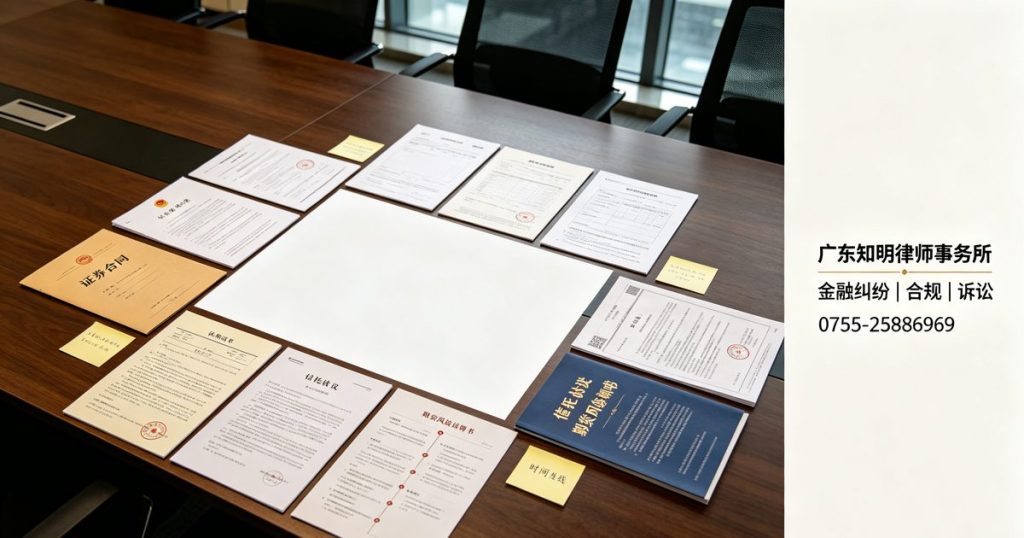
In terms of evidence collection, lawyers advise consumers to preserve contracts, payment receipts, cemetery promotional materials, and on-site photographs. If the cemetery promises "permanent usage rights," this should be required to be written into the contract; otherwise, it will be difficult to assert afterward. Additionally, for family graves purchased jointly by multiple individuals, the shares of co-owners must be clearly defined to avoid inheritance disputes. In 2023, in a case in Jiangsu, two brothers went to court over the ownership of cemetery usage rights. The court determined the co-ownership relationship in accordance with Article 308 of the Civil Code and ruled that the rights and interests should be distributed according to the proportion of capital contributions.
Legal Enlightenment and Professional Services
Cemetery consumption concerns not only emotions but also involves complex legal relationships. When purchasing a cemetery plot, the public should adopt a "legal considerations first" mindset, prioritize legitimate commercial cemeteries, verify approval documents, clarify contract terms, and pay particular attention to the usage period and renewal mechanism. For ecological burials, proactively understand local policies and claim subsidies in accordance with the law. If rights are infringed upon, consult a professional lawyer in a timely manner and seek resolution through administrative complaints or litigation.
Guangdong Zhiming Law Firm has long focused on legal matters concerning people's livelihoods and has accumulated extensive experience in funeral contract disputes and administrative disputes. We provide consumers with one-stop legal services including contract review, risk assessment, and litigation representation, helping you make informed decisions when faced with high cemetery prices and legal pitfalls, thereby safeguarding family peace.