Behind Complex Cataract Surgeries in Shenzhen: Analysis of Legal Key Points in Medical Risk Disclosure and Informed Consent
In April 2026, Shenzhen Aier Eye Hospital successfully performed a high-difficulty cataract surgery on a 67-year-old cancer patient through multidisciplinary collaboration, restoring vision in his right eye from near blindness to 0.5. This news not only demonstrates a breakthrough in medical technology but also reflects a series of legal issues in medical practice: when a patient's physical condition is extremely complex, how should the hospital fulfill its duty of risk disclosure? How should the informed consent rights of patients and their families be protected? How should legal liability be allocated under the multidisciplinary collaboration model? Lawyers from Guangdong Zhiming Law Firm will analyze the medical compliance points behind this event from a legal perspective.
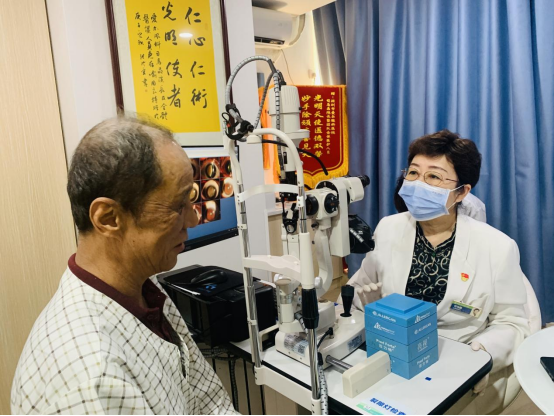
Medical Risk Disclosure: Legal Requirements and Practical Boundaries
According to Article 1219 of the Civil Code, medical personnel shall, during diagnosis and treatment activities, explain to the patient their condition and the medical measures to be taken. Where surgery, special examination, or special treatment is required, they shall promptly explain to the patient the medical risks, alternative treatment plans, and other relevant information, and obtain the patient's explicit consent. In this case, because Uncle Zhao had extremely poor pulmonary function and could not lie flat, the surgical risk was extremely high. The team led by Sima Jing conducted a multidisciplinary consultation before the surgery and formulated a personalized plan, which is precisely the prerequisite for fulfilling the obligation to inform of risks.
In practice, risk disclosure is not merely a formality of signing; it also requires the medical side to fully explain, in a way the patient can understand, the necessity of the surgery, the probability of risks, alternative options (such as conservative treatment), and the consequences of forgoing the surgery. If the disclosure is insufficient, even if the surgery is successful, the patient's side may still claim compensation on the grounds of infringement of the right to informed consent. Therefore, lawyers advise hospitals to adopt dual disclosure—written plus oral—in difficult cases, and to retain evidence such as audio and video recordings and consultation records to prove that they have fulfilled their duty of adequate explanation.
The Right to Informed Consent: Comprehensive Protection from Signature to Understanding
The right to informed consent is a fundamental right of patients, and its core lies in the "consent" after being "informed." In this case, Uncle Zhao was unable to lie flat due to pulmonary fibrosis, so the anesthesia method was changed from general anesthesia to local anesthesia. This change involved significant medical risks and required renewed consent from the patient's side. In practice, some hospitals only have patients sign a single informed consent form before surgery, without providing dynamic explanations tailored to individual differences, which can easily lead to disputes.
At the legal level, informed consent not only requires obtaining a written signature, but also emphasizes that the medical provider should proactively and timely disclose information that may affect the patient's decision-making. For example, in this case, the unpredictable postoperative visual recovery and the fragility of the lens zonules that may lead to surgical failure are both contents that should be highlighted. Lawyers remind that before signing the consent form, patients and their families should carefully read the clauses, have the right to ask the doctor for explanations of any parts they do not understand, and may even consult third-party medical legal professionals.
Legal Liability and Pathways for Patient Rights Protection under Multidisciplinary Collaboration
Multidisciplinary treatment (MDT) is a common model in modern medicine for addressing complex conditions, yet the allocation of legal liability arising from it is seldom clearly defined by specific legal provisions. In this case, the ophthalmology, anesthesiology, internal medicine, and nursing teams all participate together. If an anesthesia accident or operational error occurs during the surgery, how should liability be attributed? Generally speaking, medical institutions bear the responsibility for diagnosis and treatment as a whole, and the division of labor among internal departments does not affect the obligation to compensate externally, but hospitals may seek recovery in accordance with internal regulations.
For patients, if they believe there is fault in the diagnosis and treatment, they may apply for medical damage appraisal or administrative mediation in accordance with the Regulations on the Prevention and Handling of Medical Disputes. Lawyers advise that patients should completely preserve medical records, expense lists, informed consent forms, and other materials. If they suspect the medical records have been tampered with, they may apply to have them sealed. The statute of limitations is three years, calculated from the date when they know or should know of the harmful consequences. Do not delay.
Medical Decision-Making for Elderly Cancer Patients: Practical Advice from Lawyers
For elderly patients with multiple coex
In addition, medical cost bearing, medical insurance reimbursement, post-operative rehabilitation care, and other aspects may also give rise to disputes. Lawyers suggest that patients and their families should sign a written agreement with the hospital, clearly specifying the surgical plan, risks, costs, and follow-up visit arrangements. If necessary, they may hire a lawyer to participate in negotiations to ensure the maximization of their rights and interests.
Conclusion: Law Safeguards Medical Safety
The successful cases at Shenzhen Aier Eye Hospital reflect medical benevolence and technical advancement, but the legal details behind them cannot be overlooked. Both hospitals and patients should act within the legal framework: hospitals need to improve their information disclosure procedures and risk contingency plans, while patients should actively exercise their right to know and retain evidence. Guangdong Zhiming Law Firm, with deep expertise in the field of medical disputes, can provide patients with pre-operative legal consultation, dispute mediation, or litigation representation services, helping you gain an extra layer of protection on your journey to seek medical care.