"Shenzhen subway summer transport dispersal events occur frequently, lawyers interpret the obligation of safety and security in public places and the responsibility of child custody"
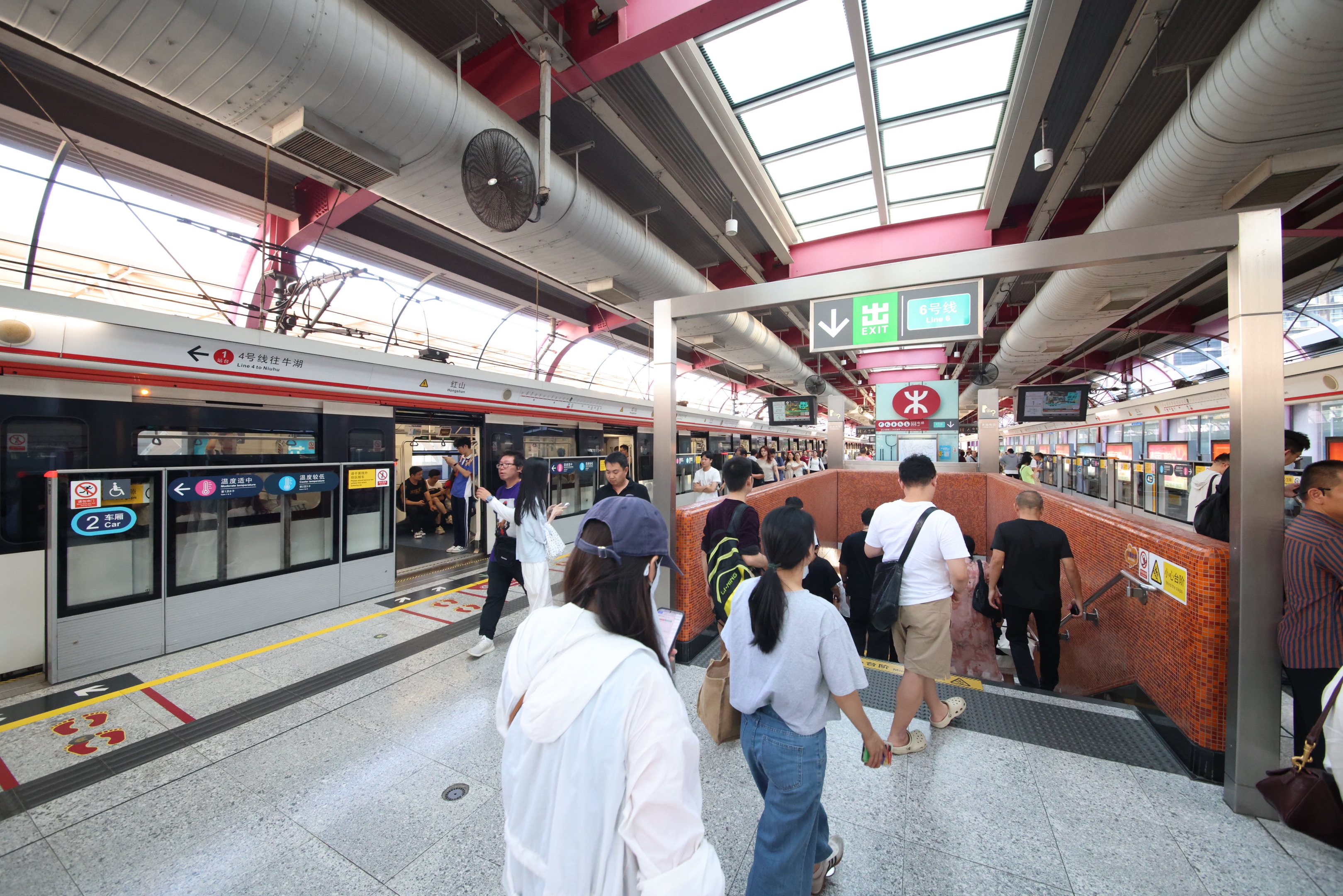
As the 2026 summer travel season draws to a close, Shenzhen Metro Line 4 and Line 13 have delivered a passenger flow report card: from July 1 to August 16, the cumulative passenger volume reached approximately 55.898 million, with an average daily ridership of about 1.141 million, up 15.8% from normal periods. Behind the surge in passenger flow is a notable rise in the proportion of elderly people and children traveling, which has consequently led to frequent incidents of people getting separated within metro stations. According to MTR Shenzhen, multiple incidents involving elderly people and children getting separated occurred during the summer travel period, with a 100% recovery rate and over 9,000 commendations received from citizens during this period. While these figures appear heartwarming, every separation incident conceals complex issues of legal risk and liability determination. When public convenience services in public places are upgraded, where exactly lies the boundary of the operator's safety guarantee obligation? How should guardians fulfill their guardianship duties? Lawyers from Guangdong Zhiming Law Firm will analyze, from a professional legal perspective, the division of responsibility and paths for rights protection in metro separation incidents.
Metro operators' safety guarantee obligations: How does the law define them?
Article 1198 of the Civil Code of the People's Republic of China stipulates that where operators or managers of business premises or public places such as hotels, shopping malls, banks, stations, and entertainment venues fail to fulfill their safety protection obligations, causing harm to others, they shall bear tort liability. As an important component of urban public transportation, the metro constitutes a typical public place, and MTR Shenzhen, as the operator and manager, bears a statutory safety protection obligation.
This obligation is not infinitely expansive; rather, it is bounded by "reasonable limits." Specifically in the subway context, the safety guarantee obligation typically includes: ensuring the safety of facilities and equipment, setting up necessary warning signs, deploying sufficient staff, and establishing emergency response mechanisms. Measures launched by MTR Shenzhen during the summer travel period, such as the "Carrier Pigeon Service," handwritten transfer guides, and posting "Meeting Point" signs, are concrete manifestations of fulfilling the safety guarantee obligation.
However, in legal practice, the degree of duty performance often becomes the focal point of disputes. For example, if a separation incident occurs outside the staff's field of vision and the operator has fulfilled reasonable notification and patrol duties, they may not be liable for compensation. Conversely, if damage is exacerbated due to missing signage or delayed emergency response, the operator may face tort liability litigation. Lawyers note that when asserting their rights, passengers should focus on collecting evidence of the operator's failure to fulfill its duties, such as surveillance footage, on-site photographs, and complaint records.
Guardian responsibility: Why does the law emphasize "primary care"?
In cases of separation, the determination of guardian responsibility is equally critical. Article 26 of the Civil Code of the People's Republic of China stipulates that parents have the duty to support, educate, and protect their minor children. Article 34 further clarifies that the duties of a guardian are to act as the agent of the ward in performing civil juristic acts and to protect the ward's personal rights, property rights, and other lawful rights and interests.
During the summer travel season, subway stations are densely crowded, and children are naturally active and restless by nature. If guardians are not careful, there is a risk of children getting separated from them. From a legal perspective, a guardian's duty of care is a statutory obligation. If a child gets lost due to the guardian's negligence and harm results from it, the guardian must bear corresponding responsibility. For example, if a child has an accident during the period of separation, such as falling or being crushed, the guardian may bear partial responsibility for failing to fulfill their duty of care.
The emergency mechanism established by MTR Shenzhen for locating separated individuals, while effective in improving recovery efficiency, cannot replace the guardians' primary duty of care. Lawyers suggest that when guardians take children on the subway, they should ensure children remain within their line of sight at all times and educate them to memorize basic information such as parents' contact details and home address. For elderly travelers, family members should communicate in advance and, if necessary, equip them with anti-loss devices such as GPS tracking wristbands.
Emergency Mechanisms in Separation Incidents: Dual Considerations of Law and Practice
MTR Shenzhen's emergency response capability demonstrated in separation incidents is commendable. From the quick reunion of Aunt Wang and her grandson after getting separated at Shangwu Station on Line 13, to the case at Houhai Station where station staff member Yang Sizheng helped a boy find his family within 15 minutes, these cases all reflect the effectiveness of coordination between the operator and police forces. However, from a legal practice perspective, the completeness of emergency mechanisms directly affects the determination of the operator's liability in litigation.
The Emergency Response Law of the People's Republic of China requires managers of public places to formulate emergency response plans and conduct regular drills. Subway operators should establish clear procedures for handling separation incidents, including information collection, broadcast announcements to locate individuals, coordinated police involvement, and station-wide search assistance across the entire line. MTR Shenzhen's "Emergency Mechanism for Locating Separated Persons" is precisely a practical implementation of this requirement. If the operator delays response after receiving a request for assistance, or fails to ensure smooth information transmission, resulting in the lost person remaining unfound for an extended period and suffering harm, the operator may be found to have failed to fulfill its safety guarantee obligations.
Additionally, for lost children or elderly individuals, if their guardians cannot be located promptly, the operator should initiate temporary guardianship procedures. According to the Law of the People's Republic of China on the Protection of Minors, minors whose guardians cannot be identified in a timely manner shall be taken in and cared for by child welfare institutions established by civil affairs departments. When subway operators discover unaccompanied children or elderly individuals, they should promptly report to the police and transfer them to the relevant authorities to avoid legal disputes arising from improper handling.
"The legal implications of convenience upgrades: How do riders use their legal weapons?"
"The upgrading of convenience services by the MTR Shenzhen is a microcosm of the humanized service of urban public transport, but passengers should also enhance their legal awareness while enjoying convenience. For the general public, the following legal advice deserves attention:"
"First, keep the evidence. If an incident such as scattering or injury occurs in the subway, take photos and videos in time, keep the ticket, monitor the application record, etc., so as to protect the rights in the future. Second, clarify the subject of responsibility. Subway operators, shop operators in the station, etc. may become responsible subjects, and passengers need to determine the subject of claims according to the actual situation. Third, consult a professional lawyer in a timely manner. When it comes to complex issues such as personal damages and moral damages, the involvement of professional lawyers can help to comprehensively assess losses and develop rights defense strategies."
"Guangdong Chiming Law Firm has long been concerned about the legal practice in the field of public transportation, and has represented many cases of personal injury and property disputes in the subway. We recommend that subway operators continue to improve safety and security measures, passengers should also enhance their awareness of self-protection, and both sides should work together to create a safe and orderly travel environment. If you encounter legal problems during subway travel, please feel free to contact Guangdong Zhiming Law Firm, we will use our professional legal knowledge to solve your problems."