Who is liable when wild monkeys in Shenzhen residential areas injure people? Lawyer interprets liability for animal-related damages and rights protection pathways under the Civil Code.
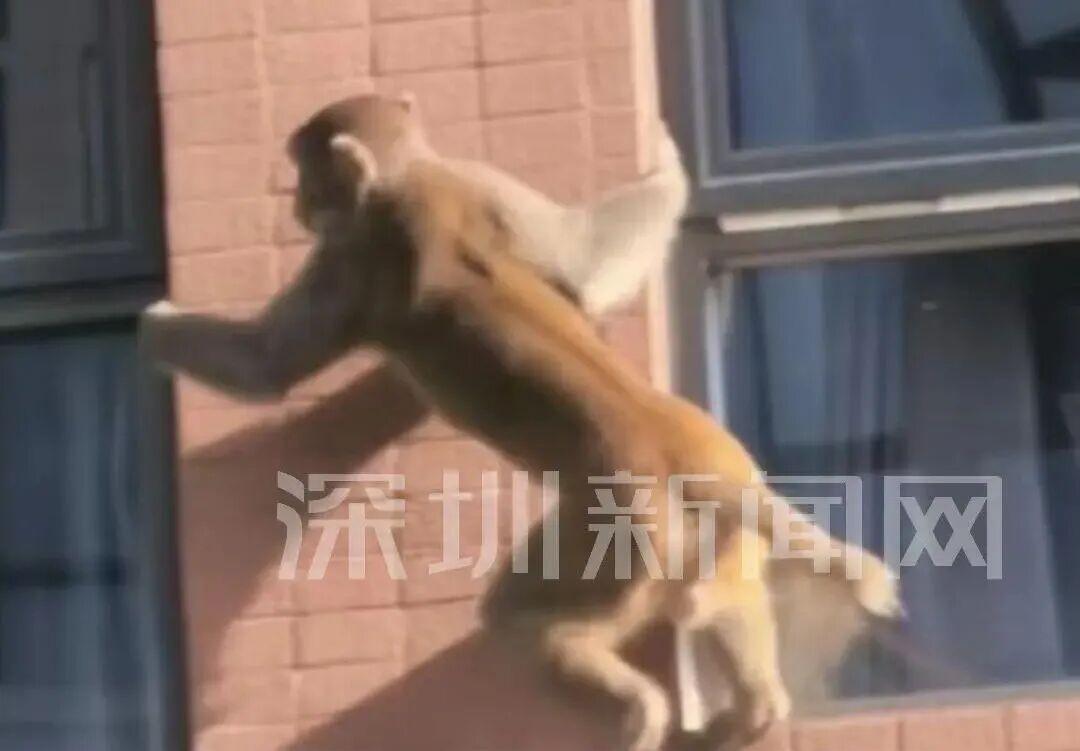
Recently, a wild monkey appeared in Hongwei Hongjing Huating residential community in Longgang, Shenzhen, leaping across rooftops and walls between buildings, sparking heated discussion online. According to the Longgang Sub-district Office, the monkey has not caused any injuries, but professional personnel have tracked it for days without success, and residents have been reminded not to gather around or feed it. This incident may seem like mere urban ecological curiosity, but it involves a series of legal issues behind it: if the wild monkey injures someone, who bears liability? Do the property management and competent authorities have an obligation to deal with it? Should citizens who feed the monkey bear legal responsibility? As a Shenzhen lawyer, I will clarify the legal risks and countermeasures for the public based on the Tort Liability section of the Civil Code and relevant regulations.
How is legal liability allocated when wild monkeys injure people?
According to Article 1245 of the Civil Code, if a domesticated animal causes harm to another person, the animal's keeper or manager shall bear tort liability; however, if it can be proven that the harm was caused by the intentional act or gross negligence of the injured party, liability may be exempted or mitigated. In this case, the monkeys are wild animals and are not "domesticated animals," so this provision does not apply directly. However, if the monkeys have gathered in a specific area due to long-term feeding, forming a de facto relationship of "keeping or management," this provision may be applied by analogy.
In judicial practice, Shenzhen has seen similar cases. For instance, in a park where macaques injured a visitor due to long-term feeding by tourists, the court ruled that the park management bore partial liability on the grounds that the management failed to effectively stop the feeding behavior and failed to fulfill its safety protection obligations. Therefore, if wild monkeys injure someone within a residential community, the victim may, in accordance with Article 1198 of the Civil Code, require the property management company to bear tort liability for failing to fulfill its safety protection obligations.
Statutory duties of property management and competent authorities
As the management entity of the residential community, the property management company bears the obligation to maintain public order and safety in accordance with Article 46 of the Property Management Regulations. In this case, the property personnel arrived at the scene promptly to drive away the monkey and cooperated with the police and the wildlife protection association in handling the matter, which meets the basic requirements. However, if the monkey remains uncaptured for an extended period, should the property management company take more proactive measures, such as setting up warning signs and strengthening patrols? If residents are injured due to inadequate measures, the property management company may face legal liability.
Meanwhile, according to Article 19 of the Wildlife Protection Law, the wildlife protection administrative department has the responsibility to address damage caused by wild animals. The Longgang Sub-district Office and the Wildlife Protection Association have intervened, but if the damage expands due to improper professional handling, the administrative department may bear corresponding liability. Citizens who spot wild monkeys should call 110 and let professionals handle the situation, avoiding the risks of driving them away on their own.
Legal Risks and Liabilities of Feeding Wild Monkeys
Many citizens feed wild monkeys out of kindness, but this may lead to legal issues. According to Article 1245 of the Civil Code, if the act of feeding causes monkeys to develop dependence and gather in specific areas, the feeder may be deemed a "manager" and bear corresponding tort liability. In one district of Shenzhen, a tourist who fed macaques was held partially liable after an incident in which a macaque scratched someone.
In addition, the Shenzhen Civilized Behavior Regulations explicitly prohibit feeding wildlife in public places, and violators may face administrative penalties. Therefore, citizens should avoid feeding, which is not only a protection for their own safety but also a necessary measure to avoid legal risks.
Suggestions for Ordinary Citizens on Rights Protection and Precautionary Measures
If unfortunately attacked by wild monkeys, citizens should seek medical attention immediately and preserve evidence such as photos, videos, witness testimonies, etc., for subsequent claims. They may first file a complaint with the property management or the competent authorities, requiring them to fulfill their management duties; if negotiation fails, a tort lawsuit may be filed in accordance with the Civil Code. Guangdong Zhiming Law Firm suggests that citizens should enhance their legal awareness, calmly collect evidence in case of incidents, and seek professional legal assistance when necessary, in order to protect their lawful rights and interests.
Meanwhile, property management and relevant authorities should strengthen coordination and improve emergency response plans, such as adding warning signs in areas where wild monkeys appear and conducting regular patrols. By combining legal and administrative measures, public safety can be ensured and disputes can be reduced.
Conclusion: Urban Ecology and Legal Boundaries
Although wild monkeys entering the city is an occasional incident, it reflects the complex interplay between urban management and legal liability. Whether it is the property management's security obligation, the handling responsibilities of competent authorities, or citizens' feeding behavior, all may serve as trigger points for legal liability. Guangdong Zhiming Law Firm has long focused on local legal practice in Shenzhen. If you encounter similar animal-related torts or property disputes, you are welcome to consult us, and we will provide you with professional legal support.