Shenzhen parks deploy smart mosquito-trapping devices; analysis of legal risks in public facility procurement and privacy protection.
Recently, two smart mosquito-catching devices were introduced at Lixiang Park in Nanshan, Shenzhen. Due to their distinctive design and real-time data display, they quickly became a hot topic among citizens. Some netizens jokingly referred to the two devices as "mosquito-killing model worker" and "only consumes electricity without doing any work," with the teasing reflecting the public's high level of concern over the effectiveness of public facilities. However, from a legal perspective, this "internet-famous" device involves a series of legal issues behind it, including government procurement compliance, personal privacy protection, and public safety liability, which merit in-depth discussion. As a Shenzhen lawyer, this article will analyze the legal risks and countermeasures behind the "deployment" of smart mosquito-catching devices in light of current laws and regulations.
I. Public Facility Procurement: Procedural Compliance Is the Prerequisite
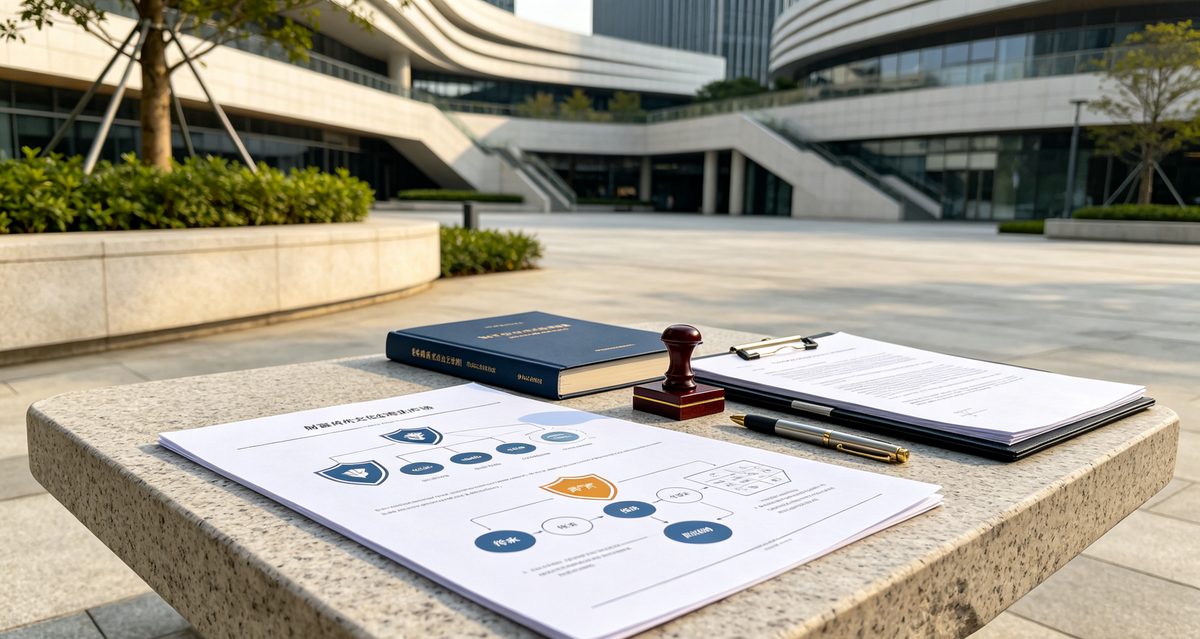
As a municipal park, the introduction of smart mosquito-trapping equipment in Lixiang Park falls within the category of public facility procurement. According to Article 26 of the Government Procurement Law of the People's Republic of China, government procurement methods include open tender, invited tender, competitive negotiation, single-source procurement, and others. The procuring entity shall select the procurement method in accordance with the law based on the characteristics of the project. If the procurement amount reaches the threshold for open tender, the open tender procedure must be followed; otherwise, the procurement may be rendered invalid and relevant responsible persons may face the risk of being held accountable.
In addition, the "Shenzhen Special Economic Zone Government Procurement Regulations" contain more detailed provisions for local government procurement, requiring procurement projects to undergo budget review, demand publicity, and supervision by the financial department. In practice, some entities, in order to "meet project deadlines" or "simplify procedures," resort to dividing projects into smaller parts, conducting sham bidding, and other methods to circumvent open bidding, which constitutes illegal conduct. Lawyers remind that when introducing smart equipment, park management should retain complete procurement documents, evaluation records, and contract texts for review purposes.
Meanwhile, attention should also be paid to supplier qualifications and product quality in equipment procurement. If a defect in the equipment causes personal injury, the purchaser may be held jointly liable for failing to fulfill its reasonable duty of review. Therefore, the procurement contract should clearly specify equipment quality standards, acceptance clauses, and after-sales maintenance responsibilities.
II. Data Collection and Privacy Protection: Legal Boundaries for Smart Devices
The front display of smart mosquito-catching devices shows real-time data such as the number of captured mosquitoes and temperature. Their operating principles often involve technologies such as sensors and image recognition, which may collect information about the surrounding environment and even personal biological characteristics. This directly touches upon the scope of application of the Personal Information Protection Law of the People's Republic of China.
According to Article 4 of this Law, personal information refers to various information recorded electronically or by other means that relates to an identified or identifiable natural person. If a mosquito-catching device only counts the number of mosquitoes and does not involve personal identity identification, it does not constitute personal information; however, if the device is equipped with cameras or sensors capable of capturing facial features, movement trajectories, etc., it constitutes an act of personal information processing, which requires compliance with the principle of minimum necessity and obtaining individual consent.
In reality, many smart devices have hidden data collection functions. Lawyers remind that when procuring such devices, park management should require suppliers to provide data processing statements that clearly specify the scope of data collection, storage duration, and purpose of use. If the devices involve facial recognition, they must comply with Article 26 of the Personal Information Protection Law, which requires that image collection and personal identity recognition equipment installed in public places be necessary for maintaining public safety and be equipped with conspicuous notification signs. Otherwise, there may be exposure to administrative penalties or even lawsuits for infringement of privacy rights.
In addition, cross-border data flow also poses potential risks. If the supplier is an overseas enterprise and the data storage server is located overseas, it is necessary to comply with the provisions of the Data Security Law regarding security assessments for data leaving the country, and important data shall not be provided overseas without approval.
III. Equipment Management Responsibility: Safety Hazards and Public Supervision
Citizens likening mosquito-catching equipment to "park employees," while said in jest, highlights the management responsibility in the operation of the equipment. The equipment is installed near a children's play area, making its safety of paramount importance. If the equipment poses hazards such as electrical leakage, collapse, or release of harmful substances, causing injury to children or the elderly, then under Article 1198 of the Civil Code of the People's Republic of China, the manager of a public place who fails to fulfill their safety protection obligations and thereby causes harm to others shall bear tort liability.
Park management authorities should regularly inspect equipment to ensure its stable operation, and set up necessary protective measures, such as anti-electric shock protection, secure bases, and the use of non-toxic, eco-friendly materials. Meanwhile, data displayed by the equipment, such as the "daily mosquito catch count," is essentially public information about the equipment's effectiveness; however, if the data is fabricated or misleads the public, it may constitute false advertising. Although there are currently no specific regulations governing the authenticity of data from mosquito-catching devices, in the spirit of the Law of the People's Republic of China on the Protection of Consumer Rights and Interests and the Advertising Law, information released by public institutions should be truthful and accurate.
Netizens' doubts about equipment effectiveness reflect the public's demand for oversight of the efficiency of public fund use. Lawyers suggest that the management should proactively disclose equipment procurement prices, operation and maintenance costs, and effectiveness evaluation reports, so as to respond to public concerns and prevent public opinion from escalating.
IV. Citizens' Rights Protection and the Value of Lawyers: From Individual Cases to the Institutional Level
For ordinary citizens, if they discover that smart mosquito-catching devices pose privacy leaks or safety hazards, they can protect their rights through the following channels: First, report to the park management and request rectification; Second, file complaints with the market regulatory authorities or cyberspace administration authorities; Third, if their rights and interests are damaged, they may initiate civil litigation in accordance with the Civil Code.
For example, if a device's camera captures and leaks an individual's private activities, the individual may claim privacy infringement and demand cessation of the violation, an apology, and compensation for losses. However, litigation requires evidence to support the claim, so citizens should be mindful to preserve site photos, videos, complaint records, and other relevant materials.
At a broader level, this incident indicates that Shenzhen, in its smart city development, needs to balance technological innovation with legal compliance. Lawyers can play multiple roles in such projects: first, assisting government departments in procurement compliance reviews to ensure procedural legality; second, providing data compliance solutions for equipment suppliers to mitigate legal risks; third, offering legal consultation to citizens to help them protect their legitimate rights and interests.
Guangdong Zhiming Law Firm has long focused on public legal affairs and has provided specialized legal services for multiple government projects, with deep expertise in administrative compliance and privacy protection practices. If you have any questions regarding smart device compliance, government procurement, or privacy infringement, you are welcome to consult us. We will safeguard your legitimate rights and interests with professional expertise.
Although small, smart mosquito-catching devices reflect the legal foundation of public governance. In an era of rapid technological iteration, only by acting in accordance with the law can these "mosquito-killing role models" truly become exemplars of convenience and benefit to the people, rather than a breeding ground for legal risks.