Guangzhou Music Park Opening Imminent: Legal Interpretation of Large-Scale Performance Venue Lease Agreement and Music Festival Compliance Risks
Introduction: Legal Pitfalls Beneath the Music Park Craze
In late August 2026, Guangzhou Music Park will officially open at No. 850 Aoti Road, Tianhe District. This trendy new landmark, located at the South Plaza of Guangdong Olympic Sports Center, integrates a versatile 100,000-square-meter venue, a 10,000-person performance stage, and a commercial operation zone. Upon opening, it will launch a Cantonese Pop Music Season; in the future, it will host various large-scale events, including music festivals, beer festivals, and anime exhibitions. Upon announcement of this news, numerous event planning companies, brands, and independent musicians expressed keen interest, eager to board this urban cultural express.
However, behind the buzz lies an ever-present risk of legal liability. As a lawyer who has long handled disputes in the cultural and entertainment industry, I have witnessed countless cases where performances “derailed” due to contractual loopholes, oversights in regulatory approvals, or lapses in safety management. The opening of Guangzhou Music Park means that a large volume of performance contracts, venue lease agreements, intellectual property licensing arrangements, and safety liability clauses will be activated. Whether you are an event organizer, venue operator, or exhibitor, failing to understand the key legal issues involved may quickly transform your “trendy” venture into a “lawsuit-ridden” one. From a practitioner’s perspective, this article breaks down four major legal issues likely to arise in connection with activities at the Music Park, offering professionals and general participants a practical legal risk-mitigation guide.
I. Venue Lease Agreement: It’s Not Just “Renting a Space”
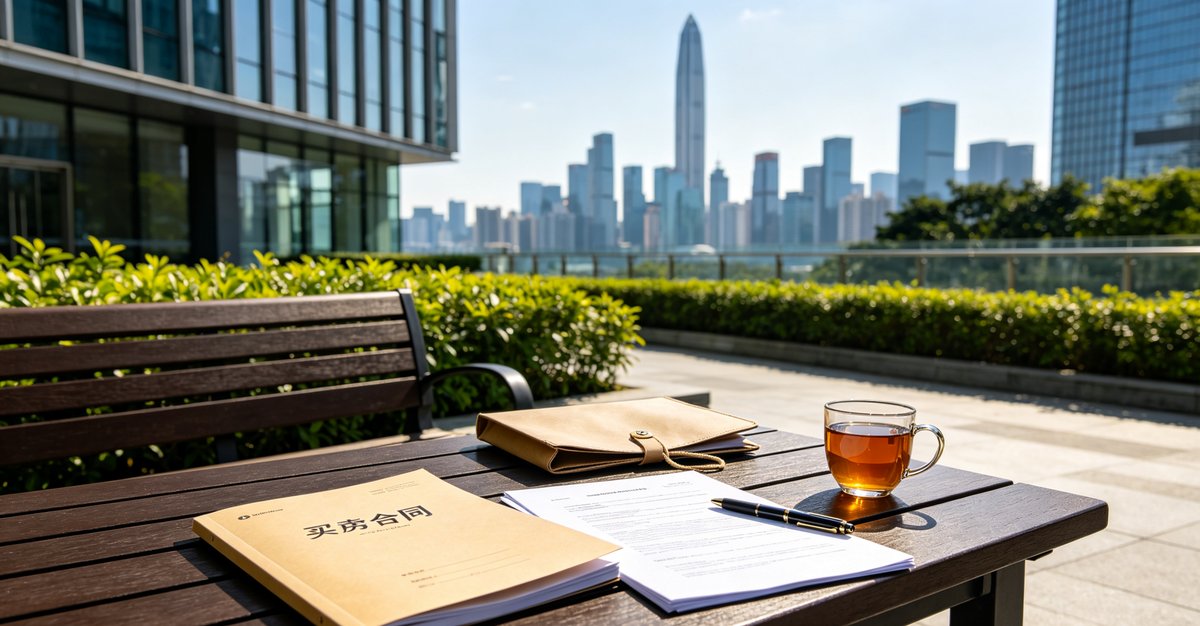
Guangzhou Music Park offers a 10,000-square-meter main stage, a 3,000-square-meter auxiliary stage tent, and a 14,000-square-meter commercial operation zone—appearing highly flexible and adaptable. Yet, the venue lease agreement is far more complex than it seems. Under Article 703 of the Civil Code, a lease contract is an agreement whereby the lessor delivers the leased property to the lessee for use and profit, and the lessee pays rent. However, leasing a performance venue is by no means a simple “pay-and-use” arrangement; it must, at minimum, include the following key clauses:
**First, scope and duration of venue use.** The contract must clearly specify the exact area to be rented, its size, and the time periods for use—including setup, rehearsal, official performance, and dismantling/teardown. Guangzhou Music Park’s venue is divided into distinct zones: park green space, commercial operation zone, large-stage zone, and multi-functional integrated zone; each zone has significantly different fee structures and usage restrictions. For instance, a client once specified only “rental of the stage zone” in the contract and was subsequently charged an additional fee for occupying a commercial-zone passageway during equipment setup, resulting in a 30% budget overrun.
**Second, Equipment and Technical Services Terms.** Large-scale performances involve specialized equipment such as lighting, audio systems, and LED screens. The contract must specify an equipment list, brand and model numbers, technical specifications, and liability for equipment failures. If the venue provides the equipment, the contract shall stipulate alternative arrangements and compensation liability in case of equipment failure; if the organizer supplies its own equipment, the contract shall clearly define technical coordination responsibilities—including equipment entry and installation—as well as responsibility for power supply.
**Third, Force Majeure and Modification Clauses.** Typhoons and heavy rainstorms frequently occur in Guangzhou during summer; extreme weather events are projected to increase in 2026. If a performance is cancelled due to adverse weather or government prohibitions, who bears the resulting losses? Article 590 of the Civil Code stipulates that where a party is unable to perform a contract due to force majeure, liability may be partially or wholly exempted in proportion to the impact of the force majeure event. However, the critical issue lies in whether the contract explicitly defines the scope of “force majeure,” specifies notification deadlines, and establishes mechanisms for refunds or rescheduling. In practice, many disputes arise because contracts merely state “exemption from liability due to force majeure” without specifying refund percentages, leading to protracted disputes between organizers and venue operators.
Legal Advice: When entering into a venue lease agreement, be sure to have it reviewed by a qualified lawyer, with particular attention to the permitted use of the premises, fee structure, liability for breach of contract, handling of force majeure events, and terms governing the refund of the security deposit. A well-drafted contract can prevent 80% of subsequent disputes.
II. Approval for Large-Scale Performances: Unauthorized performances may be suspended and subject to severe penalties.
Guangzhou Music Park can host large-scale artistic performances with audiences of up to 50,000; however, larger-scale events entail increasingly stringent administrative approval requirements. According to Article 13 of the *Regulations on Commercial Performances*, applications for commercial performances must be submitted to the cultural administrative department of the county-level people’s government where the performance is to be held; for inter-provincial performances, additional approval from the provincial-level cultural administrative department is required. The newly revised *Regulations on Safety Management of Large-Scale Public Activities*, effective in 2026, further strengthens the safety licensing system: for activities expected to attract more than 1,000 participants, organizers must submit a safety permit application no later than 20 days prior to the event date, along with supporting documents including a safety work plan, emergency response plan, and venue certification.
Many organizers mistakenly believe that “parks are public venues where performances can be held freely”—a major misconception. Although Guangzhou Music Park operates commercially, all performance content must still undergo content review: repertoire, lyrics, and stage design must comply with the prohibitions set forth in Article 25 of the *Regulations on Commercial Performances* (e.g., endangering national security, inciting ethnic hatred, promoting obscenity or violence). In 2025, a music festival in Guangzhou was halted on-site by cultural law enforcement authorities on the night of the performance due to failure to obtain prior approval; not only were all tickets fully refunded, but the organizer was also fined and placed on a credit-unworthy list, resulting in losses exceeding one million RMB.
Legal Notice: Approval filing is not a mere formality but a legally mandated procedure. It is recommended that the event organizer initiate the approval filing process immediately after the event is officially launched, allowing at least two months for completion, and concurrently confirm with the venue operator whether the venue has already obtained fundamental permits such as fire safety and building safety approvals. If engaging a third party to handle the filing, a clear authorization agreement must be signed to prevent approval failure resulting from agent errors.
III. Activity Safety Assurance: Who bears responsibility in the event of a stampede or personal injury?
Music parks experience heavy foot traffic and an energetic atmosphere, making them highly susceptible to safety incidents such as stampedes, overcrowding, and injuries caused by equipment. Under Article 1,198 of the Civil Code, operators and managers of business premises and public places—including hotels, shopping malls, banks, railway stations, and entertainment venues—who fail to fulfill their duty to ensure safety and thereby cause harm to others shall bear tort liability. The term “operators and managers” encompasses both the venue owners and the organizers of events held on the premises.
In 2026, a stage barrier collapsed at an electronic music festival in Shenzhen, resulting in minor injuries to three people. The court ultimately ruled that the event organizer bore 60% liability, the venue owner 30%, and the equipment supplier 10%. The judgment was based on the following findings: the event organizer failed to conduct on-site acceptance inspection of the equipment; the venue owner failed to provide sufficient safe passageways; and the equipment supplier installed the barrier insecurely. This case serves as a warning: ensuring safety is by no means accomplished simply by “purchasing insurance.”
Specifically, the organizer and the venue provider shall jointly fulfill the following obligations: **First**, develop and conduct drills for emergency response plans, including evacuation routes, medical rescue stations, and locations of fire-fighting facilities; **Second**, control crowd density by setting a maximum capacity based on the venue’s area—for example, although Guangzhou Music Park’s 100,000-square-meter site could theoretically accommodate tens of thousands of people, the actual capacity must be reduced in accordance with safety standards; **Third**, conduct safety inspections of stages, grandstands, and temporary structures, and retain inspection reports; **Fourth**, purchase public liability insurance for the event, with a recommended coverage amount of no less than RMB 5 million.
Legal Advice: Prior to the commencement of the event, the organizer should enter into a “Safety Assurance Responsibility Agreement” with the venue provider to clearly define the respective responsibilities of both parties and jointly conduct safety inspections. In the event of an accident, evidence must be secured immediately (e.g., surveillance footage, on-site photographs, witness statements), medical assistance must be sought promptly, and the police must be notified without delay—thereby avoiding difficulties in determining liability due to insufficient evidence.
IV. Music Copyright and Intellectual Property Risks in Commercial Activities
The Music Park centers on “music performances,” yet music copyright issues are frequently overlooked. According to Article 38 of the Copyright Law, performers must obtain permission from the copyright owner and pay remuneration when using another person’s work in a performance. Event organizers must secure authorization before using songs, background music, or video materials. In practice, many small-scale music festivals directly use music downloaded from the internet, mistakenly assuming that “non-commercial use” exempts them from liability. In fact, performances at the Music Park constitute commercial performances; even if no admission fee is charged, payment is still required whenever advertising sponsorship or on-site sales are involved.
In 2026, the China Audio-Video Copyright Association (CAVCA) intensified its copyright enforcement efforts against offline performances; multiple markets in Guangzhou have already been sued for playing background music without paying licensing fees, with compensation awards per case ranging from RMB 20,000 to RMB 100,000. Additionally, Music Parks involve the development of “music IP.” If organizers wish to use “Cantonese Pop Music Season” as a brand name, they must conduct a trademark search and register the mark in advance to avoid infringing upon others’ prior rights.
Intellectual property risks also exist for exhibitors and market stall operators: cultural and creative products sold on-site that use others’ cartoon characters or musicians’ portraits are highly likely to constitute infringement. Lawyers recommend including an “intellectual property warranty clause” in all commercial cooperation agreements, requiring the counterparty to warrant that all provided materials are lawfully licensed and stipulating a mechanism for seeking indemnification in case of infringement.
V. Legal Implications: From Guangzhou Music Park to Your Business Activities—Compliance Is the Baseline of the Trend
The opening of Guangzhou Music Park reflects the city’s cultural vitality and serves as a litmus test for commercial operations under legal regulation. Whether you are an organizer planning a music festival for ten thousand people, a marketing director seeking a venue for a brand showcase, or an individual vendor selling merchandise at a stall, you must recognize that the law is not a constraint but a safeguard. Spending a modest sum upfront to engage a lawyer to review contracts and ensure proper approvals is far more cost-effective than incurring substantial expenses later on litigation and compensation for losses.
As a Guangdong Zhiming Law Firm specializing in cultural and entertainment law, we have provided comprehensive legal services for numerous music festivals and exhibitions—including drafting contracts, guiding regulatory approvals, reviewing safety plans, and representing clients in disputes. If you are planning an event at Guangzhou Music Park or any other venue, please contact us. Let our professional lawyers safeguard your creative endeavors. After all, true “trendiness” means not only mastering the on-site experience but also steadfastly upholding legal and ethical boundaries.