Shenzhen Autumn Cultural Tourism Season Kicks Off: Analysis of Legal Compliance and Intellectual Property Risks Behind 282 Activities
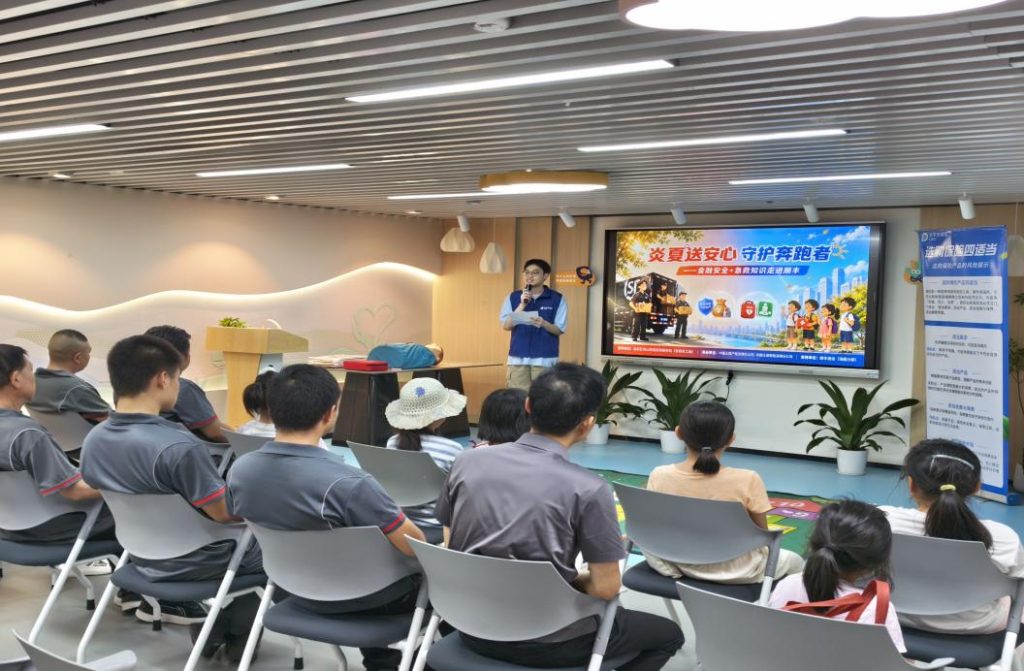
On August 21, 2026, Shenzhen officially kicked off its autumn cultural tourism season with a "Shenzhen Autumn Heartbeat" press conference that combined drone performances and an international candy carnival. The event was jointly hosted by the Shenzhen Municipal Bureau of Culture, Radio, Television, Tourism and Sports, the Nanshan District Government, and other entities, rolling out 282 cultural, sports, tourism, and commercial activities along with 24 city tour routes in one go, while also announcing the collective debut of three major landmarks: the Shenzhen Natural History Museum, the Qianhai Museum, and the new Cultural Center. This city marketing campaign, conducted under the banner of "sweetness," not only showcases Shenzhen's cultural tourism ambitions but also implicitly raises numerous legal compliance issues. As a lawyer deeply rooted in Shenzhen, I believe it is necessary to examine such large-scale cultural tourism events from a legal perspective, clarifying the rights, obligations, and risk boundaries for participating enterprises, investors, and ordinary citizens alike.

Approval and Compliance for Large-Scale Cultural Tourism Events: The Necessary Path from "Sweetness" to "Rigor"
The Shenzhen cultural tourism season involves diverse activities such as drone performances, an international candy carnival, and sports events, each of which requires corresponding approval procedures to be handled in accordance with the law. According to the "Regulations on the Safety Management of Large-Scale Mass Activities" (State Council Order No. 505), for activities with an estimated attendance of 1,000 or more, the organizer shall apply to the public security organ for a safety permit 20 days before the date of the event. At this press conference, more than a thousand guests were present on site, and since the drone performances involve low-altitude flight, it is also necessary to apply for a flight plan to the air traffic control department in accordance with the "Regulations on the Control of General Aviation Flights" to ensure airspace safety.
In addition, as the event involves international guests and tourists, the provisions of the Exit and Entry Administration Law regarding the stay and residence of foreigners must be complied with; if a foreign-related forum or exhibition is to be held, relevant procedures must also be handled in accordance with the Foreign Trade Law and customs regulations. As the host, the Shenzhen Municipal Bureau of Culture, Radio, Television, Tourism and Sports and other units have already clarified the list of activities, but during specific implementation, each undertaking unit must implement approvals item by item to avoid "proceeding before approval." Lawyers suggest that for large-scale events, a compliance ledger should be established, clearly specifying the approving authority, time nodes, and responsible persons for each activity, to ensure the legality of the process.
For business districts, scenic areas, and sponsors participating in the events, attention must be paid to the compatibility between their business qualifications and the content of the activities. For example, a candy carnival involving food sales must comply with the licensing and hygiene standards under the Food Safety Law; if interactive games are set up, it is necessary to ensure that the facilities conform to the Product Quality Law and special equipment safety regulations. Any oversight in any aspect may lead to administrative penalties or even civil and commercial disputes.
Consumer Rights Protection in Cultural Tourism Activities: The Legal Boundaries of Discount Commitments and Experience Guarantees
This cultural tourism season introduces beneficial measures such as "inbound consumption discounts, departure tax refunds, and travel consumption vouchers," aimed at attracting tourists. Under the framework of the Consumer Rights Protection Law, these measures constitute public commitments made by operators to consumers and are legally binding. If event organizers or merchants fail to fulfill the discounts—such as vouchers being unusable or the tax refund process being obstructed—consumers have the right to claim compensation in accordance with Article 55 of that law. Meanwhile, Article 4 of the Advertising Law stipulates that advertisements must not contain false or misleading content. If the promoted "24 routes" or "282 activities" are seriously inconsistent with reality, it may constitute false advertising and subject the parties to penalties from market regulatory authorities.
For international tourists, attention should also be paid to the provisions of the Tourism Law concerning tourism service contracts. If travel agencies or platforms provide itinerary services, they should clearly define the contract terms, including the itinerary arrangement, accommodation standards, liability for breach of contract, and other matters. Following the 2024 revision of the Tourism Law, the protection of tourists' rights and interests has been strengthened. For example, Article 57 stipulates that travel agencies shall conclude a written contract with tourists and specify the shopping arrangements in the itinerary. As an international metropolis, Shenzhen may involve cross-border rights protection in foreign-related tourism disputes. Lawyers advise tourists to keep contracts, receipts, and promotional materials as evidence for rights protection.
For merchants participating in promotional activities, they should ensure that the rules of the promotional activities are clear and consistently enforced. For example, the scope of use, validity period, and stacking rules of consumption vouchers should be publicly announced in advance to avoid complaints caused by ambiguous interpretations. According to the Regulations on the Implementation of the Consumer Rights Protection Law (effective 2024), business operators shall not use standard form clauses to make provisions that are unfair to consumers. Lawyers suggest that merchants may consult legal counsel when formulating activity rules to review the legality and reasonableness of the clauses.
The Double-Edged Sword of Cultural Tourism IP and Intellectual Property: From "Sweet" Brands to Legal Protection
As one of the Four Seasons cultural tourism brands, "Shenzhen Autumn Heartbeat" and its name, logo, and event derivatives may all constitute objects of intellectual property rights. Under the Copyright Law, promotional copy, design patterns, musical works, and similar materials are automatically protected; the Trademark Law, however, requires brand identifiers to be registered in order to obtain exclusive rights. If the Shenzhen cultural tourism department promotes "Autumn Heartbeat" as a series brand, it should apply for trademark registration as early as possible, covering categories such as tourism, entertainment, and catering, to prevent others from preemptively registering the mark for similar goods or services.
In this event, the pattern designs of the drone show and the "Happiness + Health" theme of the Candy Carnival may involve artistic works or word trademarks. According to news reports, the event is hosted by Amas Food Group, and its brand experience halls such as "Pileshi" and "Beioubao" need to ensure that product appearances and promotional materials do not infringe on others' patent rights or copyrights. In practice, cultural tourism activities often give rise to infringement lawsuits due to the unauthorized use of music, images, or character images. For example, at a 2023 music festival in a certain location, unauthorized playback of songs led to a lawsuit filed by the Music Copyright Society of China, ultimately resulting in compensation of several hundred thousand yuan.
For creative enterprises participating in the campaign, lawyers recommend establishing an intellectual property compliance checklist: first, register works to clarify ownership of rights; second, sign licensing agreements when using third-party materials; third, monitor the market, and upon discovering infringement, preserve evidence promptly and send cease-and-desist letters. As a city of innovation, Shenzhen provides strong intellectual property protection, and enterprises may rely on the Shenzhen Special Economic Zone Intellectual Property Protection Regulations to seek both administrative and judicial protection.
Impact of Large-Scale Events on Surrounding Businesses and Residents: Balancing Neighboring Rights and Public Safety
Cultural and tourism activities bring foot traffic and business opportunities, but they may also give rise to issues such as noise and traffic congestion. Under Article 294 of the Civil Code, real property right holders shall not violate state regulations by discharging noise or other harmful substances. If activities such as sound systems or drone performances cause noise pollution, surrounding residents have the right to demand cessation of the infringement and compensation for losses. Organizers should, in accordance with the Law on the Prevention and Control of Noise Pollution, install sound insulation facilities in sensitive areas and control performance times.
In addition, temporary traffic control during the event must be announced in advance in accordance with the Road Traffic Safety Law to safeguard citizens' right to know. If road closures are caused by the event, surrounding merchants may negotiate compensation plans with the organizers based on the provisions of the Civil Code regarding neighboring relations. In practice, large-scale events often trigger collective complaints; lawyers recommend that organizers establish communication mechanisms, set up complaint hotlines, and respond to residents' concerns in a timely manner.
For enterprises participating in the event, attention should be paid to public safety responsibilities during the event. According to Article 1198 of the Civil Code, if operators or managers of business premises or public venues fail to fulfill their security safeguard obligations, causing harm to others, they shall bear tort liability. If interactive game facilities at the Candy Carnival have defects that cause injury to participants, the organizers and venue providers may bear joint and several liability. Therefore, event organizers should purchase public liability insurance and prepare emergency response plans.
Conclusion: With Legal Protection, Shenzhen's Cultural Tourism Stays Sweet for Longer
The launch of Shenzhen's autumn cultural tourism season is both a clever piece of city marketing and a touchstone for the rule-of-law business environment. From regulatory compliance to consumer protection, from intellectual property to public safety, every link requires professional legal support. As a Shenzhen lawyer, I recommend that event organizers, participating enterprises, and visiting citizens and tourists alike enhance their legal awareness and clarify their rights and obligations while enjoying the cultural tourism feast. Guangdong Zhiming Law Firm, with deep expertise in the cultural tourism and commercial law sectors, can provide enterprises with full-process services including compliance review of activities, contract drafting, and dispute resolution, helping Shenzhen's cultural tourism economy thrive steadily and sustainably. Walk the world, stay in Shenzhen — may every "heartbeat" be safeguarded by the law.