Shenzhen youth AI study tours booming, lawyers warn: sci-tech innovation activities hide personal information and intellectual property risks
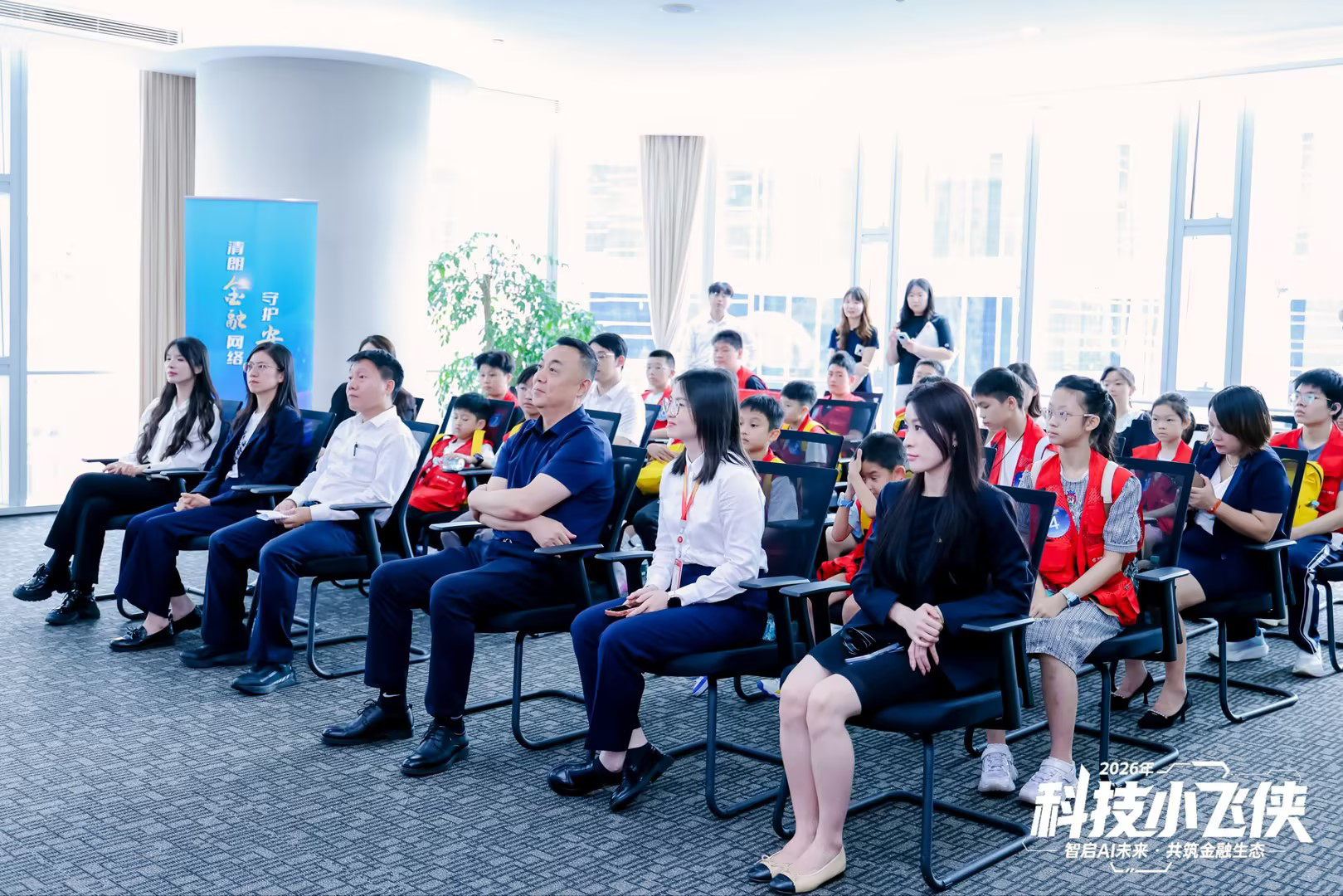
In August 2026, Shenzhen News Network reported that the "Tech Little Flyers" study activity, co-hosted by the Shenzhen Branch of Huaxia Bank, led young people into innovative technology companies such as UBTech for an immersive experience with humanoid robot technology, while also incorporating financial anti-fraud education. This event showcased Shenzhen's vitality as a city of innovation, but it also raised legal considerations: when AI meets young people, how can personal information be protected? Who owns the intellectual property arising from study activities? How should safety responsibilities for such activities be allocated? This article, from a lawyer's perspective, analyzes the legal risks behind tech-focused study activities and the corresponding countermeasures.
I. Personal Information Protection in Youth AI Study Programs: How Does the Law Provide Safeguards?
During the activities, minors interact with robots, which may involve the collection of biometric information (such as facial images) and behavioral data. Under Article 28 of the Personal Information Protection Law, biometric information constitutes sensitive personal information, and its processing requires separate consent from guardians. When collecting children's information, study tour organizers must adhere to the principle of minimum necessity and implement security measures such as encryption.
Lawyers remind that parents should carefully read the privacy policy when registering and clarify the purpose of information use. If information leakage is discovered, compensation may be claimed in accordance with Article 69 of the Personal Information Protection Law. As a pilot demonstration zone, Shenzhen already has relevant enforcement cases, and organizers need to establish a compliance system, otherwise they may face administrative penalties.
Additionally, robots in the activities may record children's conversations; if used for commercial purposes, additional authorization is required. Parents should proactively ask questions to avoid the trap of "default consent."
II. Intellectual Property in Science and Innovation Activities: Who Owns Children's Creative Ideas?
During study trips, teenagers may participate in programming or design and produce works. Under the Copyright Law, copyright in works belongs to the creator, but if the activity rules stipulate "ownership by the organizer," the rights may be transferred. Lawyers suggest that organizers should clearly specify intellectual property clauses at the time of registration to avoid subsequent disputes.
For example, if a child designs robot movements, the copyright in such designs should be protected. Parents should confirm whether the activity involves "works made for hire" clauses to prevent their creative ideas from being used without compensation. Additionally, the robotics technology used in the activity may involve patents, but the ownership of rights in data generated by minors' operations needs to be stipulated by contract.
In Shenzhen, tech innovation enterprises often collaborate with schools, but the commercialization of youth works requires guardian consent. Lawyers advise that organizers should provide written agreements to clearly define the scope of authorization and safeguard the children's rights.
III. Safety Responsibility in Study Tours: How Does the Law Define It?
The activity involves robot operation and poses a risk of physical injury. Under Article 1198 of the Civil Code, if an activity organizer fails to fulfill its duty of safety protection and causes harm to others, it shall bear tort liability. The organizer must ensure equipment safety, provide professional guidance, and purchase appropriate insurance.
For example, if a robot malfunction causes a child to be injured, the organizer may be held liable. Lawyers remind that parents should learn about the event's emergency response plan and confirm whether medical personnel are on site. At the same time, the organizer should conduct background checks on staff to prevent incidents such as sexual assault.
Shenzhen has already seen dispute cases involving study tour activities, and courts typically rule based on the principle of fault liability. Organizers should retain safety records, and parents should also preserve evidence in order to protect their rights.
IV. The Legal Value in Financial Anti-Fraud Education: Starting from Childhood
During the event, robots taught anti-fraud knowledge, covering the protection of financial consumers' rights and interests. Under the Consumer Protection Law, adolescents, as a special group, require greater attention to their rights and interests. The organizers' use of AI to promote fraud prevention knowledge helps enhance risk awareness, but the content must remain lawful and compliant.
Lawyers believe that such education should focus on practical results and avoid formalism. Parents may, in conjunction with the Law on the Protection of Minors, guide children to identify online traps, such as free skins, click-farming rebates, etc. If fraud is encountered, they should promptly report to the police and retain evidence such as chat records.
Shenzhen financial regulatory authorities encourage innovative science education, but organizers must ensure there is no false advertising. Lawyers suggest that activities should incorporate legal cases to enhance children's legal literacy.
"V. Legal Inspiration and Advice from Lawyers"
Science and innovation research-based learning is a good thing, but it requires legal safeguards. For organizers, a compliance system should be established, including privacy policies, safety plans, and intellectual property clauses. For parents, they should proactively review the compliance of activities to protect their children's rights and interests. For teenagers, they should learn legal knowledge and enhance risk awareness.
Guangdong Zhiming Law Firm has deep expertise in the education sector and can provide legal consultation for study tour activities, assist in drafting agreements, and handle disputes. If you have any related questions, please feel free to contact us, and we will provide professional support.
Technology shapes the future, while law safeguards growth. May every "Little Flying Hero" embrace the AI era in a safe and compliant environment.