Shenzhen Bus Emergency Medical Transport Incident: Is the Driver Liable for Diverting to Save a Life? Lawyer Explains the Boundaries of Necessity Defense
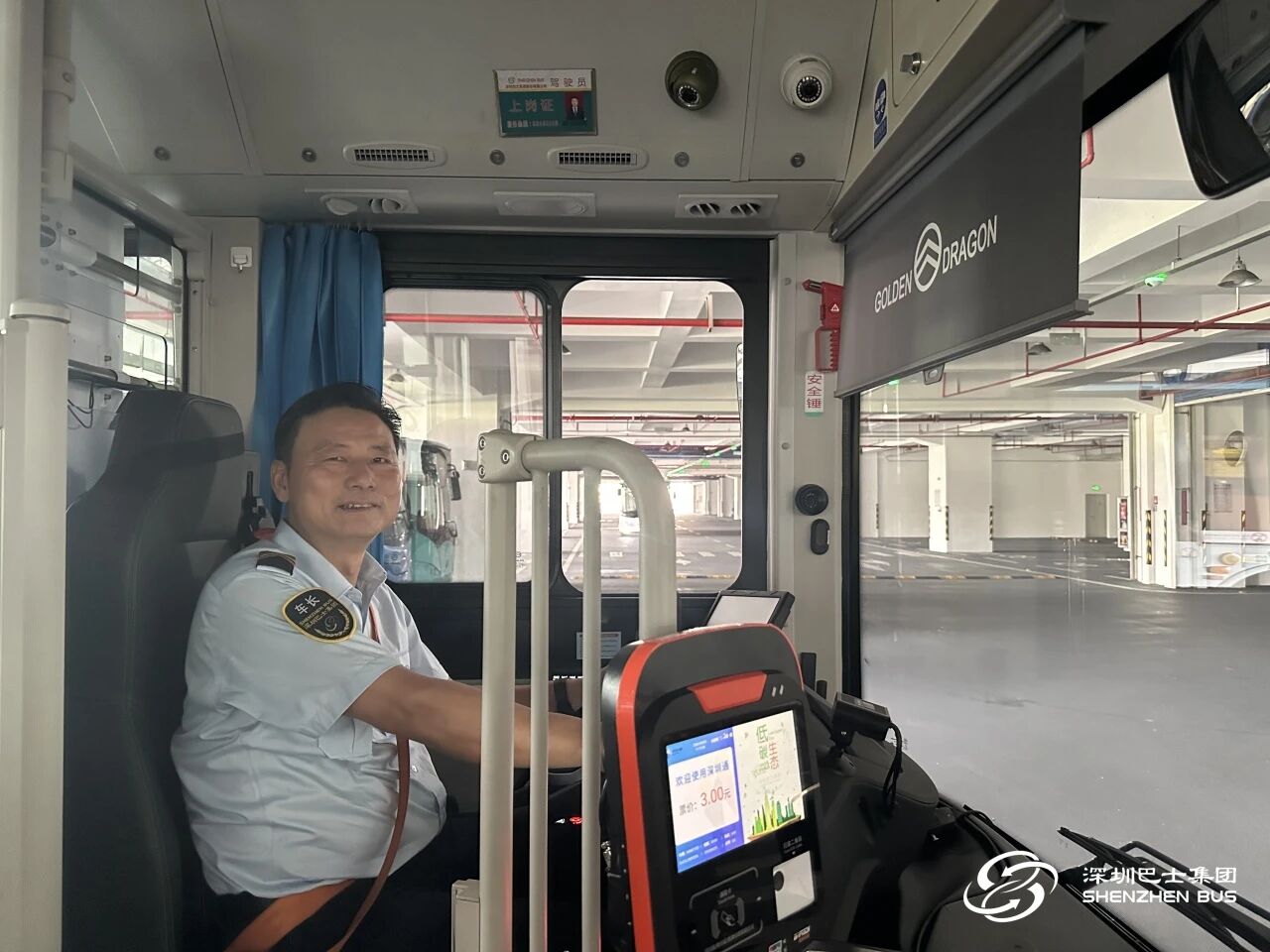
On the morning of August 25, 2026, on the Namping Expressway in Shenzhen, a passenger on a Peak Route 92 bus suddenly fell ill, and his condition rapidly worsened. Driver Jin Feng, after obtaining the consent of all passengers on board, decisively adjusted the route and followed the traffic police riders to take the patient directly to the hospital, with the entire trip taking only 19 minutes. The incident was reported by Shenzhen News Network and quickly sparked widespread discussion. People praised the driver and passengers for their kindness, while also raising questions: Did the bus's unauthorized route change violate regulations? If an accident had occurred along the way, who would bear the responsibility? What does the passengers' "consent" legally mean?
As a lawyer who has handled numerous traffic accidents and emergency rescue disputes, I believe this incident is not only a microcosm of urban warmth but also involves multiple legal issues, including necessity, duty of rescue, modification of transport contracts, exemption from liability, and others. Below, I will analyze this layer by layer from the perspective of legal practice.
Necessity: The Legal Basis for a Driver Changing Route to Save Someone
Article 182 of the Civil Code stipulates: "Where damage is caused by an emergency避险 act, the person who gave rise to the dangerous situation shall bear civil liability. If the danger arises from natural causes, the person who performed the emergency避险 act shall not bear civil liability, or shall give appropriate compensation." In this incident, the passenger's sudden illness constituted a "danger arising from natural causes." The driver, Jin Feng, in order to protect the passenger's right to life and health, urgently drove the bus to the hospital, which constitutes a typical act of emergency避险.
Applying necessity requires satisfying three elements: the danger is occurring, the avoidance action is necessary, and the measure does not exceed the necessary limit. At the time of the incident, the passenger's condition was rapidly worsening. Waiting for a 120 ambulance or continuing along the original route could have delayed the optimal timing for treatment, so the detour to the hospital was urgent and necessary. At the same time, the driver did not take extreme measures such as speeding or running red lights, but instead followed the traffic police escort and drove with safety ensured, which did not exceed the necessary limit. Therefore, even if the detour objectively violated the bus company's route regulations, administrative liability could be exempted in accordance with the principle of necessity.
It is worth noting that the establishment of necessity requires that "the person taking evasive action is without fault." If the driver causes an accident due to improper operation during the detour, they may bear corresponding liability. However, with respect to the act of avoidance itself, the law encourages and protects such mutual assistance.
The Legal Nature of Passenger "Consent": Declaration of Intent and Assumption of Risk
The driver obtained the consent of all passengers before changing the route, a detail of significant legal importance. The passengers' consent constitutes a manifestation of "victim's consent" or "assumption of risk," but its legal boundaries must be clarified.
Article 577 of the Civil Code stipulates that if a party fails to perform its contractual obligations or performs them in a manner inconsistent with the agreement, it shall bear liability for breach of contract. After a bus transport contract is established, the driver's duty to travel along the prescribed route is a basic obligation. Diverting to deliver someone to the hospital constitutes a change to the transport route, and if done without the passengers' consent, may amount to a breach of contract. However, the passengers' consent essentially constitutes approval of the contract modification, thereby exempting the driver and the bus company from liability for breach of contract arising from the route change.
Nevertheless, passenger consent does not exempt all liability. For example, if a detour results in the loss of a passenger's belongings or causes bodily injury to other passengers, and the driver is at fault, tort liability may still arise. Furthermore, passenger consent merely signifies approval of the route change and does not constitute a waiver of the right to claim compensation for potential traffic accidents. In other words, agreeing to a change of destination does not equate to agreeing that "accidents will not be pursued."
In practice, bus companies typically establish emergency response plans that clarify the driver's authority to handle situations under emergency circumstances. In this incident, the driver not only obtained passengers' consent but also proactively called the police and requested assistance from traffic officers. These actions reflect procedural compliance and help mitigate legal risks.
Legal Significance of Traffic Police Motorcycle Escorts: Public Power Intervention and Responsibility Transfer
During the incident, the traffic police motorcycle unit sounded their sirens to clear the way, creating a green channel for the bus. This action not only held practical rescue value but also legally produced the effect of a transfer of responsibility.
According to Article 53 of the Road Traffic Safety Law, when police cars, fire engines, ambulances, and engineering rescue vehicles are performing emergency tasks, they may use sirens and signal lights, and on the premise of ensuring safety, they are not restricted by travel routes, travel directions, travel speeds, or traffic signals, and other vehicles and pedestrians shall yield to them. When traffic police on motorcycles provide an escort, this is equivalent to incorporating the bus's travel into the scope of "emergency tasks," granting the bus certain road priority while following the escort, and also transferring the responsibility for route guidance and traffic command to the traffic police department.
If a traffic accident occurs during the process of clearing the way, the allocation of responsibility depends on the specific circumstances. If the accident is caused by improper direction from traffic police or signal light failure, the traffic police department may bear corresponding responsibility; if the bus driver fails to obey the traffic police's direction or fails to maintain a safe following distance, they may still bear primary responsibility. However, in this incident, the driver and the traffic police cooperated seamlessly, no accident occurred, and legal risks were avoided.
For social vehicles, failing to yield to vehicles performing emergency tasks will result in fines and demerit point penalties (according to the Shenzhen Special Economic Zone Road Traffic Safety Management Regulations, failing to yield to vehicles performing emergency tasks incurs a fine of 1,000 yuan and 3 demerit points). In this incident, the yielding behavior of vehicles and pedestrians along the route was not only a manifestation of moral consciousness but also a reflection of legal obligations.
Emergency Management and Compliance Recommendations for Transit Companies
This incident has revealed the bus company's successful experience in emergency management and also provided a replicable model for other enterprises. As legal counsel, I recommend that the bus company improve its systems in the following aspects:
**First, establish emergency medical transport operating guidelines.** Clearly define the procedures for drivers when passengers suddenly fall ill, including how to assess the severity of the condition, how to communicate with passengers, how to report to the police and request traffic police assistance, and how to document the scene. The guidelines should be detailed down to specific scripts and actions to prevent drivers from missing critical steps due to panic in the moment.
Second, improve the passenger consent mechanism. In emergency situations, after the driver obtains verbal consent from passengers, crew members or nearby passengers should be arranged to assist in documenting the consent process, such as through audio recording, video recording, or having passenger representatives sign. Although verbal consent is legally valid, written or electronic records can better address subsequent disputes.
**Third, purchase relevant insurance.** The bus company should ensure that vehicles are insured with sufficient carrier liability insurance and third-party liability insurance, and explore adding an "emergency rescue additional insurance" to cover additional risks arising from route changes, detours, and the like. Insurance companies generally support emergency avoidance actions, but advance declaration is required.
Fourth, conduct emergency drills and legal training. Regularly organize drivers to study the emergency avoidance provisions of the Civil Code, the Road Traffic Safety Law, and the company's internal contingency plans, and improve emergency response capabilities through case-based simulations. Drivers must not only master driving skills but also understand basic legal knowledge.
Implications for Ordinary Passengers: The Balance of Rights and Obligations
For passengers, this incident also serves as a vivid legal lesson. First, when a passenger falls suddenly ill on a bus, they have the right to request the driver's assistance in getting to a hospital, and the driver bears a reasonable duty to provide aid. If the driver refuses or handles the situation improperly, the passenger can hold them accountable under Article 1005 of the Civil Code, which states that "when a natural person's right to life, bodily integrity, or health is infringed upon or they are in other perilous circumstances, an organization or individual with a legal duty to provide aid shall render timely assistance." Second, when cooperating with rescue efforts, passengers should understand that temporary route changes may cause inconvenience, which constitutes a reasonable sacrifice under the principle of necessity.
At the same time, passengers also have the right to oversee whether the driver's actions are excessive. For example, if the driver forcibly changes the route without obtaining consent, or engages in dangerous driving practices, passengers may file a complaint with the bus company or even report the matter to the police. The law encourages assistance, but opposes infringing on others' rights in the name of rescue.
Finally, passengers are advised to pay attention to the emergency facilities and signage in the carriage, understand the locations of the safety hammer, fire extinguisher, and emergency exits, and become familiar with the bus company's service hotline. In an emergency, remain calm and cooperate with the driver and crew, both to protect yourself and to buy time for others.
Lawyer's closing statement: Good deeds require the protection of the law.
The decisiveness of Shenzhen bus driver Jin Feng, combined with the cooperation of the passengers, together accomplished a relay of life. The law should not be a stumbling block to good deeds, but rather a guardian. The existence of the emergency avoidance system is precisely to find a balance between compassion and the law.
If you or your enterprise encounter issues such as emergency rescue, traffic accident liability determination, or transport contract disputes, you are welcome to consult Guangdong Zhiming Law Firm. With years of experience in handling legal matters in the transportation sector, we can provide you with professional legal advice to help you make the optimal decision between urgency and compliance.