Mudslide at Gyirong Port in Xigace Leaves 265 Missing: Analysis of Emergency Rescue and Legal Accountability
Lead
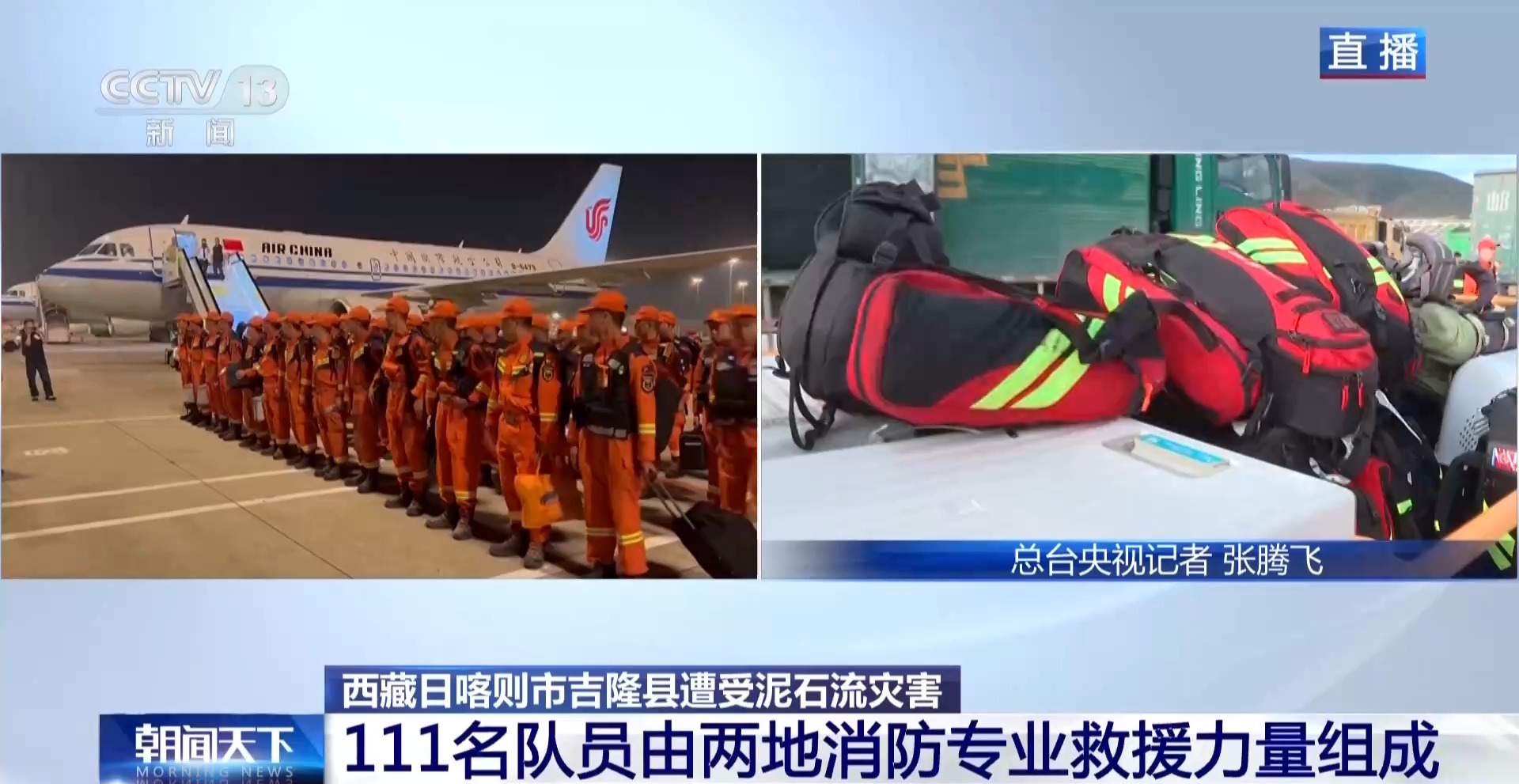
On August 26, 2026, a sudden mudslide on the Nepalese side of Gyirong Port in Gyirong County, Shigatse City, Tibet, caused significant casualties and missing persons. As of 8 p.m. that evening, preliminary verification confirmed 3 deaths and 265 missing, figures that are deeply concerning. A Chinese rescue team of 111 members, accompanied by search dogs and professional equipment, arrived in Shigatse by charter flight to provide emergency support on the front lines. This disaster is not only a humanitarian crisis but also raises a series of legal issues: How should the statutory duties of the government and society in disaster response be defined? How should responsibility be allocated in cross-border disasters? How can the families of the missing seek compensation through legal channels? As lawyers, we are concerned not only with rescue progress but also with the legal framework that urgently needs clarification behind the disaster and the rights-protection paths that ordinary people can follow.
Legal Obligations and Rescue Mechanisms in Disaster Response
The Emergency Response Law of the People's Republic of China clearly stipulates that people's governments at or above the county level bear overall responsibility for emergency response work and shall establish emergency rescue teams, stockpile emergency supplies, and organize emergency drills. Following the mudslide disaster, the Ministry of Emergency Management and the National Fire and Rescue Administration swiftly dispatched the China Search and Rescue Team to provide reinforcement, which is a concrete embodiment of this legal obligation.
From a legal perspective, the efficiency and professionalism of rescue operations are directly related to the protection of citizens' right to life. Article 1002 of China's Civil Code emphasizes that infringement of the right to life entails civil liability. In disaster response, if the government fails to take necessary measures in a timely manner, thereby causing the expansion of damages, it may involve the issue of accountability for administrative inaction. In legal practice, family members of victims in similar disasters often question whether government early warnings and rescue efforts were adequate, which requires item-by-item examination in accordance with the National Overall Emergency Response Plan for Public Emergencies and local implementation rules.
Furthermore, the cross-regional deployment of rescue teams involves provisions in the Fire Protection Law and the Regulations on the Military's Participation in Emergency Rescue and Disaster Relief concerning force allocation and coordinated operations. The 111 team members, drawn from the fire brigades of Sichuan and Beijing and carrying life detection equipment and other gear, reflect the nation's emergency coordination capacity at the state level. However, the effective implementation of the law also requires routine contingency plans and drills in peacetime; otherwise, no matter how sound the system is, it may become nothing more than a formality when disaster strikes.
Difficulties in the Attribution of Responsibility and the Application of Law in Cross-Border Disasters
This debris flow originated on the Nepalese side, yet it caused damage to Chinese citizens, which raises complex issues regarding the determination of responsibility for cross-border disasters. Under international law, liability for transboundary environmental damage or natural disasters typically needs to be resolved through bilateral or multilateral agreements. Although China and Nepal are neighboring countries, the civil compensation mechanism for such sudden disasters remains unclear.
From the perspective of domestic law, the victim's family may claim tort liability for damages caused by environmental pollution or ecological destruction under Article 1232 of the Civil Code, but they must prove a causal relationship between the damage and the conduct on the Nepalese side, which is extremely difficult in terms of cross-border evidence collection. A more practical path is to rely on the principle of applying the law of the place where the tortious act occurred under Article 44 of the Law on the Application of Laws to Foreign-Related Civil Relations. However, as the mudslide occurred in an area involving the border of two countries, the applicable law is in question.
Lawyers often advise in practice that such incidents should be prioritized for negotiation through diplomatic channels, with government-level efforts to establish disaster compensation funds or humanitarian assistance mechanisms. For instance, during the 2015 Nepal earthquake, the Chinese government provided bereavement compensation to deceased citizens, but this constituted administrative compensation rather than legal compensation. The dilemma of cross-border accountability reminds us that individual rights protection relies on cooperative frameworks between states, and litigation alone can hardly break through sovereign barriers.
Legal Rights and Compensation Pathways for Families of Missing Persons
265 people are missing, meaning 265 families are plunged into waiting and anguish. Legally, there are special provisions for protecting the rights of missing persons. Article 40 of the Civil Code stipulates that if a natural person has been missing for two full years, interested parties may apply to the court for a declaration of death. However, in disaster situations, family members are often eager to obtain compensation.
In the event of a mudslide disaster, if missing persons are ultimately confirmed deceased, their families may claim funeral expenses, death compensation, and dependent family members' living expenses pursuant to Article 1179 of the Civil Code. However, if the responsible party is unclear, compensation may fall through. If the disaster involves engineering construction or human factors—such as improper maintenance of infrastructure on the Nepalese side—families may attempt cross-border litigation, but this entails high costs and lengthy proceedings.
In practice, lawyers will advise the family to first collect evidence, including information about the missing persons, footage of the disaster site, official casualty lists, and to apply for temporary assistance from the local civil affairs department. At the same time, attention should be paid to whether the government has established special compensation funds; for example, during the 2010 Zhouqu mudslide, the Gansu Provincial Government issued compensation to the families of the victims. Although the law cannot bring back lives, it can ensure that the families receive financial support, which requires the intervention of professional lawyers to help sort out the legal relationships and claims paths.
Legal boundaries of enterprise and social organization participation in rescue operations
This rescue effort is not only a government action but also mobilizes social forces. Corporate donations of supplies and volunteer participation in rescue operations are all governed by legal regulations. The Charity Law stipulates that charitable organizations must register in accordance with the law, and public fundraising must be filed for the record to ensure the transparent use of donated funds. Unauthorized fundraising by enterprises or individuals may be illegal.
Furthermore, safety responsibilities at the rescue site cannot be overlooked. The Work Safety Law stipulates that participating rescue units must comply with operating procedures to prevent secondary disasters. In this high-altitude rescue, team members carried 40-jin equipment while operating at an altitude of 4,300 meters, and their health and safety safeguards were the responsibility of the dispatching unit. If team members are injured or killed during the rescue, issues involving work-related injury determination and compensation may arise. When lawyers assist enterprises in formulating emergency response plans for disasters, they often emphasize compliant donations and employee safety safeguards to avoid good intentions leading to adverse outcomes.
When social organizations such as foundations participate in disaster relief, they must comply with the Regulations on the Administration of Foundations to ensure that funds are used for their designated purposes. In reality, fraudulent fundraising often occurs during disasters. Lawyers remind the public to donate through formal channels and keep receipts to guard against fraud. The law serves both as a constraint and a protection, allowing goodwill to flow within the bounds of rules.
Conclusion: How the Law Safeguards Justice After a Disaster
The mudslide at Gyirong Port reminds us once again of the power of nature and the fragility of life. Although the law cannot prevent disasters, it can regulate responses, clarify responsibility, and protect rights and interests. For the families of the missing, the law is a weapon for claims; for rescue workers, the law is the bottom line of safety; for the public, the law is the cornerstone of order.
In the face of such disasters, individuals should understand their legal rights and promptly consult professional attorneys. Guangdong Zhiming Law Firm has long focused on disaster-related legal matters and can provide legal consultation to affected residents, assisting with claims, insurance settlements, and other matters. Disasters are merciless, but the warmth of the law can offer a measure of comfort. May the departed rest in peace, and may the living remain strong—the law lights a small flame in the darkness.