深圳盐田餐厅获米其林必比登推介,餐饮商标与食品安全合规风险律师解读
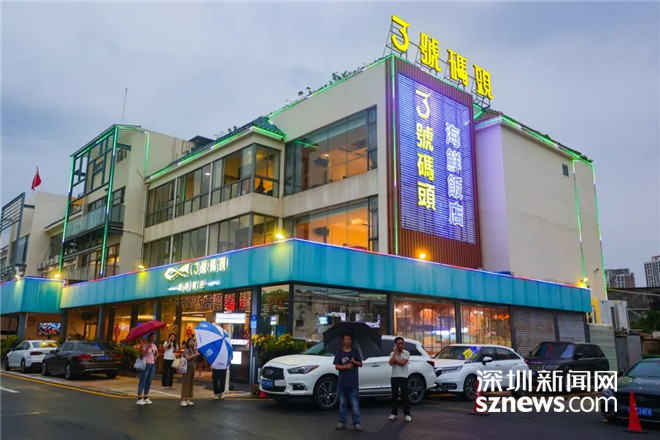
Recently, the 2026 Guangzhou-Shenzhen Michelin Guide was officially unveiled, with Shenzhen becoming a Michelin Guide review destination for the first time. Two local restaurants in Yantian District—Pier 3 Seafood Restaurant and Rex Shanshui Rice Noodle Roll—were both selected as Bib Gourmand restaurants. This news not only brought Shenzhen's cuisine into the national spotlight but also sparked heated discussions among food industry professionals about brand building and compliance operations. As lawyers, our focus extends beyond culinary accolades to the legal risks and compliance considerations lurking beneath the surface of such honors.
Trademark and Brand Protection Issues Arising from Michelin Recommendations
A Michelin Guide recommendation is a powerful brand endorsement for a restaurant, but the accompanying trademark and brand protection issues cannot be overlooked. Under Article 48 of the Trademark Law of the People's Republic of China, trademark users are responsible for the quality of the goods bearing their trademarks. If a restaurant fails to register its name and signature dishes as trademarks in a timely manner, it risks having them squatted by others. In practice, many viral restaurants have seen their brands counterfeited and faced difficulties in rights enforcement due to a lack of early trademark planning.
Taking the two restaurants in Yantian as examples, "Pier 3 Seafood Restaurant" and "Rex Shanshui Rice Noodle Rolls" — if they have not registered trademarks in the catering service category (Class 43) and food categories (Classes 29 and 30), they may face malicious trademark squatting once their popularity increases. Lawyers advise that catering businesses should conduct a full-class trademark search as soon as they receive recognition and apply for defensive trademarks covering core and related categories. At the same time, they should retain evidence of trademark use, such as menus, invoices, and advertising materials, to be prepared for rights enforcement.
Additionally, the Michelin recommendation itself is a third-party evaluation. When restaurants use the term "Michelin recommended" in their promotional materials, they must ensure they do not engage in false advertising or mislead consumers. According to Article 8 of the Anti-Unfair Competition Law of the People's Republic of China, business operators shall not make false or misleading commercial representations regarding the performance, function, quality, sales status, user reviews, or honors received of their products. Restaurants should ensure that their promotional content is truthful and avoid exaggerating or fabricating honors.
Food Safety Compliance: The Bottom-Line Responsibility Behind the Honor
Michelin recommendations impose higher requirements on restaurant food safety. According to Article 4 of the Food Safety Law of the People's Republic of China, food producers and traders are responsible for the safety of the food they produce and trade. Restaurants must strictly implement systems such as incoming goods inspection, certificate and receipt verification, and record-keeping to ensure the traceability of ingredient sources. Particularly for seafood restaurants, poor supply chain management may lead to safety incidents such as food poisoning, resulting in administrative penalties or even criminal liability.
Article 124 of the Food Safety Law stipulates that if a food producer or operator produces or operates food in which the content of pathogenic microorganisms, pesticide residues, veterinary drug residues, biotoxins, heavy metals, or other contaminants exceeds the limits set by food safety standards, and the act does not yet constitute a crime, the regulatory authority shall confiscate the illegal gains and impose a fine; if the circumstances are serious, the license shall be revoked. Pier 3 Seafood Restaurant, which claims to have a "global direct procurement supply chain," should pay particular attention to the inspection and quarantine certificates and customs declaration procedures for imported seafood, so as to avoid violating the law due to unclear sources or illegal imports.
As a street food, Rex Shanshui rice noodle rolls must not relax food safety management. The production of rice noodle rolls involves steps such as fermentation of the rice batter and steaming temperature; if operations are not standardized, bacteria may proliferate. Restaurants should establish a food safety management system, provide regular training for staff, and ensure that operational procedures comply with the "Food Safety Operation Standards for Catering Services." Lawyers remind that Michelin honors are not a protective amulet—once a food safety incident occurs, it not only damages reputation but may also lead to hefty compensation and criminal liability.
The boundary between advertising and consumer rights protection
After receiving a Michelin recommendation, restaurants typically increase their advertising efforts, but they must be cautious about crossing the red lines of advertising law. Article 9 of the Advertising Law of the People's Republic of China stipulates that advertisements shall not use absolute terms such as "national-level," "top-grade," or "best." Restaurants should avoid using expressions like "most authentic" or "number one in taste" in their promotions to prevent being identified as engaging in false advertising. Additionally, promotional images of dishes should match the actual products and must not be excessively beautified; otherwise, it may constitute consumer fraud.
According to Article 20 of the Consumer Rights Protection Law of the People's Republic of China, business operators shall provide consumers with truthful and comprehensive information regarding the quality, performance, intended use, and shelf life of goods or services, and shall not engage in false or misleading advertising. If a restaurant exaggerates the origin or quality of its ingredients in its promotional materials, consumers have the right to claim triple damages in accordance with Article 55 of the Consumer Rights Protection Law.
Additionally, as a restaurant's reputation grows and customer volume increases, issues such as waiting lines and reservations may lead to consumer complaints. Restaurants should establish reasonable policies for dish returns or exchanges and a reservation system, and clearly display these in prominent areas of the establishment to avoid disputes arising from a lack of transparency. Lawyers suggest that restaurants consider hiring legal advisors to conduct compliance reviews of promotional materials, menu labeling, and service terms, so as to prevent problems before they occur.
How can Shenzhen's catering enterprises leverage compliance for sustainable growth?
As a newly added destination in the Michelin Guide, Shenzhen's catering enterprises should seize this opportunity to establish a comprehensive legal compliance system. First, improve the intellectual property layout, including trademarks, patents (such as proprietary cooking techniques for signature dishes), and copyrights (such as menu design and promotional copy). Second, establish an internal food safety control mechanism, conduct regular self-inspections, and retain records to ensure compliance with the Food Safety Law and Shenzhen's local regulations.
For restaurants planning to expand or attract investment, it is also important to be mindful of contractual legal risks. Whether it involves franchise partnerships or supply chain procurement, written contracts should be signed to clearly define rights and obligations, avoiding verbal agreements. Lawyers can assist in drafting and reviewing contracts to prevent disputes.
Guangdong Zhiming Law Firm has long focused on legal affairs in the catering industry, offering Shenzhen catering enterprises one-stop legal services including trademark registration, food safety compliance, advertising review, contract management, and dispute resolution. If you encounter legal issues in your catering operations, you are welcome to consult us. We will assist you from a professional perspective to ensure legal compliance and steady, long-term growth.
The Michelin honors awarded to two restaurants in Yantian are a source of pride for Shenzhen's dining industry and a new starting point for industry standardization. While basking in the spotlight, only by building a solid legal defense can brands go further.