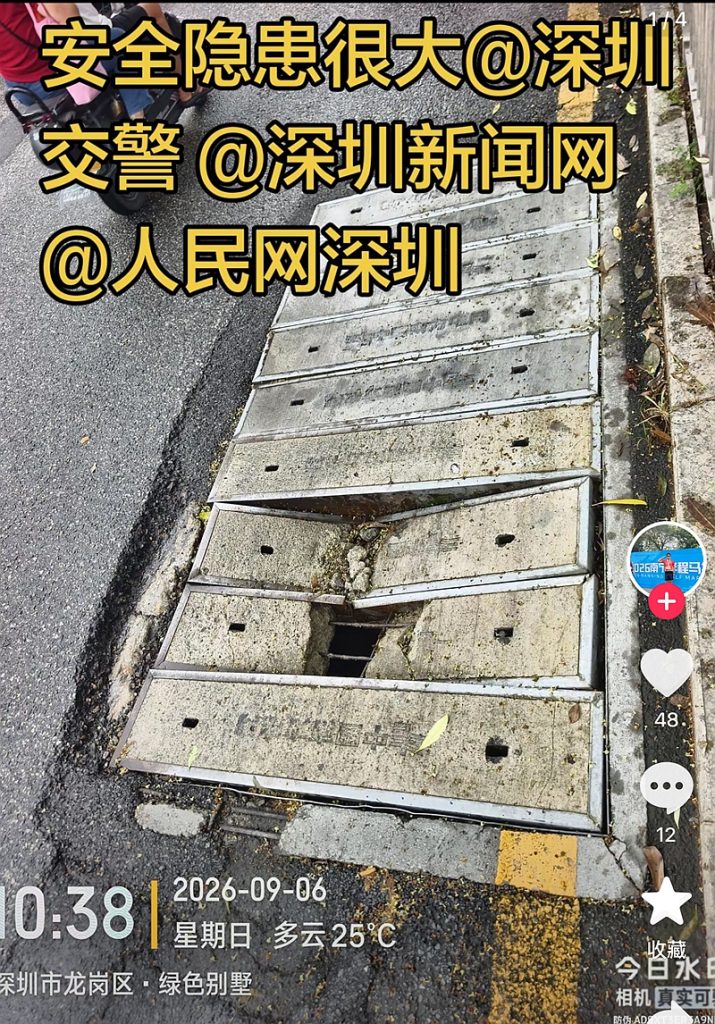
Shenzhen Meihua Road: Missing Road Markings After Rainy Construction Pose Hazards; Lawyer Analyzes Tort Liability and Key Points for Rights Protection in Road Construction.
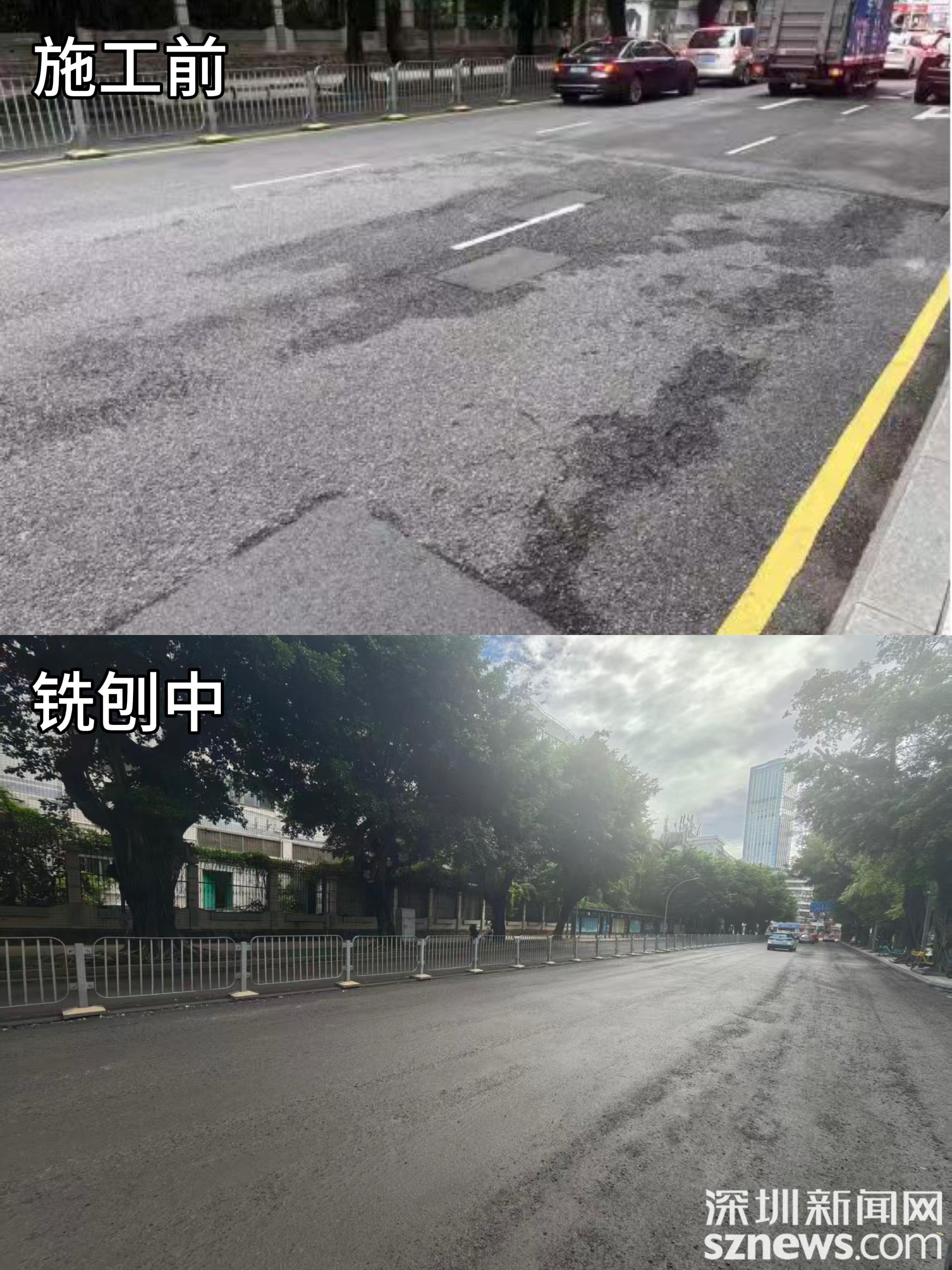
In early August 2026, due to continuous rainfall during road renovation on Meihua Road in Futian District, Shenzhen, potholes and water accumulation appeared after pavement milling, and the original crosswalks and traffic lane markings were removed, yet no temporary warning signs were set up at the site. Citizen Mr. Gong reported prominent safety hazards in passage. The Futian Administration Bureau of the Shenzhen Municipal Transportation Bureau responded promptly, stating that it had urged the construction unit to seize favorable weather conditions, with asphalt paving expected to be completed by August 5. This seemingly ordinary municipal engineering incident actually involves legal issues such as the road construction party's duty of safety assurance, tort liability determination, and how citizens can protect their rights in accordance with the law. This article will analyze, from a lawyer's perspective and in conjunction with the Civil Code and relevant judicial interpretations, the allocation of responsibility and response strategies for damage caused by construction sections of roads.
1. Construction sections without warning signs violate the statutory safety guarantee obligation.
According to Article 1253 of the Civil Code, if damage is caused to others by excavation, repair, or installation of underground facilities in public places or on roads, the construction entity shall bear tort liability if it cannot prove that it has set up clear warning signs and taken safety measures. In this case, after the milling of Meihua Road, the road surface was exposed and lane markings were missing. If the construction unit failed to set up temporary warning signs in a timely manner, it failed to fulfill its statutory safety protection obligations.
In judicial practice, the key to such cases lies in whether the construction unit can provide evidence that it has fulfilled its duty of warning. For example, if the construction party merely places traffic cones in the distance but fails to install reflective devices at night, or if warning signs are blown down by wind and rain without being promptly restored, courts typically find that the construction party is at fault. In a similar case, the Shenzhen Intermediate Court ruled that the construction party bore 70% of the compensation liability, because warning signs must remain continuously effective rather than being set up only once.
Additionally, Article 32 of the Road Traffic Safety Law also requires construction units to operate within approved road sections and time periods and to set up warning signs. Although the Futian Management Bureau's response did not clearly specify the warning sign situation, citizens have reported that the signs were "not set up in a timely manner," which suggests potential oversight in construction management. As lawyers, we recommend that construction units increase patrol frequency during severe weather to ensure warning facilities remain intact; otherwise, they may face substantial compensation in the event of an accident.
Second, when rainy-day construction causes slippery road surfaces and accumulated water, the allocation of responsibility requires examining multiple factors.
Working in the rain itself is not necessarily illegal, but if the construction causes road conditions to deteriorate, such as potholes with standing water or muddy and slippery surfaces, and no anti-skid measures are taken, it may constitute managerial negligence. In this case, the milled road surface formed puddles in the rain, making it easy for pedestrians or vehicles to slip or lose control, which is an additional risk arising from the construction activities.
According to Article 1165 of the Civil Code, where an actor causes harm to the civil rights and interests of another person through fault, they shall bear tort liability. If a pedestrian is injured due to a puddle or pit, they must prove that the construction party was at fault, such as failing to drain water promptly or failing to set up barriers. However, if the victim failed to exercise due care for their own safety, such as looking down at their phone and not observing the road conditions, the court may reduce the construction party's liability in accordance with Article 1173.
In practice, we once represented a similar case in a district in Shenzhen: a cyclist fell into a construction pit on a rainy night and suffered a fracture. The court held the construction party 60% liable, on the grounds that the warning sign was obstructed and no barriers were set up; at the same time, it found the cyclist 40% liable for riding at excessive speed. Therefore, liability allocation is not a one-size-fits-all matter and must take into account factors such as weather, time, and the effectiveness of warnings. For citizens, if such an accident occurs, they should immediately take photos to preserve evidence and report it to the police or file a complaint with the traffic department, so as to retain a basis for subsequent claims.
III. How should citizens claim compensation according to law and supervise rectification after suffering damage from construction?
If citizens suffer personal injury or property damage due to the construction on Meihua Road, they may claim compensation for medical expenses, lost wages, transportation expenses, etc. in accordance with Article 1179 of the Civil Code; if disability results, they may also claim disability compensation. The claims process includes: negotiating directly with the construction unit, or filing complaints with competent authorities such as the Shenzhen Municipal Transport Bureau to urge rectification and mediation; if negotiation fails, they may file a tort lawsuit in court.
In litigation, the plaintiff must present evidence of the damages, the construction party's fault, and the causal relationship. For example, medical records from hospital visits after a fall, on-site photographs, and witness testimony are all key evidence. Meanwhile, under Article 64 of the Civil Procedure Law, the plaintiff must prove the basic facts, but the construction party is required to self-certify that it fulfilled its duties. Courts in Shenzhen tend to favor protecting vulnerable pedestrians when hearing such cases, but citizens should also be aware that the statute of limitations is three years (Article 188 of the Civil Code) and should assert their rights promptly.
Furthermore, citizens can report issues via the 12345 hotline or online platforms to supervise rectification. In this case, the rapid response from the Futian Administration Bureau demonstrates the effectiveness of public supervision. Lawyers suggest that if relevant parties delay rectification, citizens may file an administrative lawsuit in accordance with the Administrative Litigation Law, demanding that supervisory duties be performed. However, they need to confirm the existence of a specific administrative act.
IV. Supervision Responsibilities of Management Departments and Compliance Suggestions for Construction Enterprises
The Futian Administration of Shenzhen Transportation Bureau played a supervisory role in the incident, and its response indicated that it had urged the construction. However, according to the Highway Law and the Shenzhen Road Facilities Management Measures, the management department has the responsibility to ensure construction safety. If damage is caused by inadequate supervision, victims may require it to bear supplementary liability (Article 1198 of the Civil Code).
For construction enterprises, compliance essentials include: formulating rainy season construction plans, monitoring weather forecasts in advance, and stocking up on warning materials; when paving cannot proceed after milling, temporary lighting, reflective cones, and barricades should be set up, with designated personnel on duty; promptly clearing accumulated water and laying anti-slip mats. Additionally, purchasing public liability insurance to disperse risks. In recent years, Shenzhen has tightened oversight of road construction safety, and non-compliant enterprises may face administrative penalties such as fines or suspension of bidding qualifications.
In this case, although the company was unable to lay pavement due to weather conditions, it failed to adjust warning measures in a timely manner, reflecting inadequate emergency response plans. We recommend that the construction party proactively communicate with surrounding communities and issue construction notices to reduce complaints and disputes.
V. Lawyer's Recommendations: Legal Risk Prevention and Control in Urban Road Construction from the Perspective of Individual Cases
Although the Meihua Road incident did not directly lead to litigation, it exposed common legal risks in road construction. For citizens, if they encounter construction hazards, they should avoid taking risks by passing through, record the time, location, and on-site conditions, promptly report the issue to 12345 or the transportation department, and consult a lawyer if necessary. For construction enterprises, they should establish a risk prevention and control system, conduct regular training, and ensure that warning facilities are compliant. For management departments, they should strengthen inspections and establish a rapid response mechanism.
Guangdong Zhiming Law Firm has long focused on legal issues in Shenzhen's urban construction and can provide construction enterprises with compliance review and accident response services, as well as tort claim representation for citizens. If you have suffered damage due to road construction or need to review construction plans, please feel free to contact us. We will use our professional experience to help you protect your rights.
Road safety concerns everyone, and the law is the standard that balances efficiency and safety. It is hoped that this incident will promote better construction management, so that every road in Shenzhen can be traveled with peace of mind.