APEC 2026 100-Day Countdown: Shenzhen Enterprises Welcome the International Event, Lawyers Highlight Five Key Compliance Points
Lead
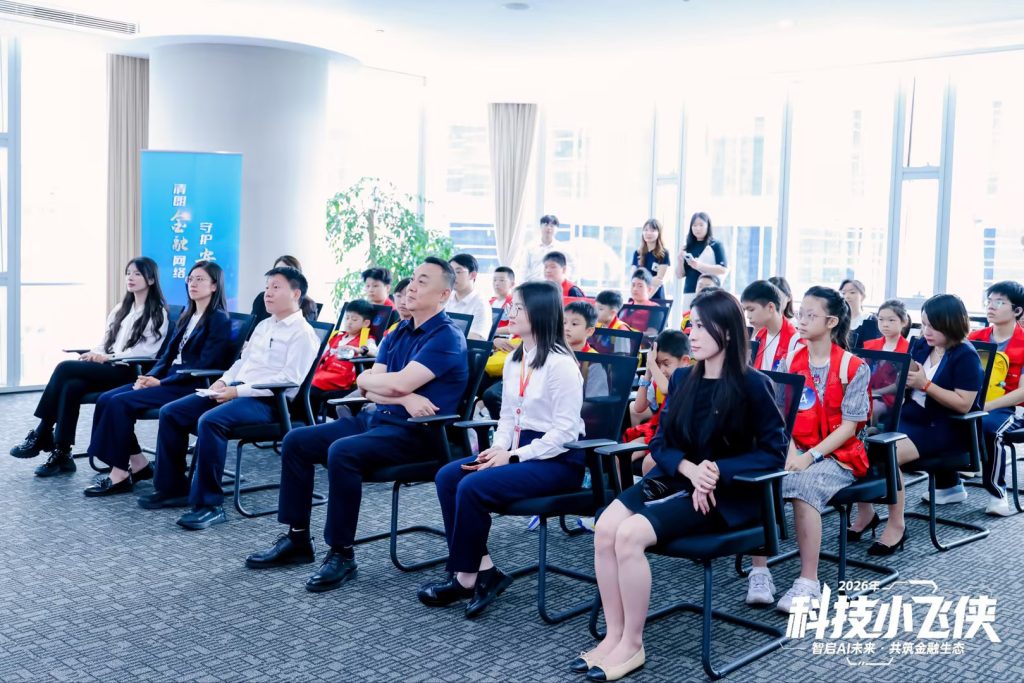
On August 10, 2026, on the central axis platform of Shenzhen Civic Center, the APEC CHINA 2026 "Meet in Shenzhen, Witness the Miracle" 100-day countdown themed event was held with great enthusiasm. A reporter from Shenzhen Press Group observed on site that delivery riders, street vendors, school students, and foreign friends sat side by side, jointly witnessing the city extend a sincere invitation to 21 Asia-Pacific economies. As the highest-level international conference hosted by Shenzhen since its establishment as a city, APEC is not only a diplomatic event but also a comprehensive review of urban governance and corporate compliance. From port clearance to departure tax refunds, from the language environment to civilized travel, every preparatory task involves a complex legal framework. Lawyers from Guangdong Zhiming Law Firm believe that for Shenzhen enterprises, APEC represents both a blue ocean of business opportunities and a high-incidence period of legal risks. This article will, from a lawyer's perspective, outline five key compliance points that enterprises must pay attention to in the APEC context, helping enterprises move steadily and far on the international stage.
1. Intellectual Property Protection: The Legal Shield from "Made in Shenzhen" to "Intelligently Made in Shenzhen"
During the APEC meeting, Shenzhen's technological innovation achievements will be showcased on a concentrated basis, and technical exchanges and business negotiations among enterprises will be unprecedentedly active. However, the more prominent the moment, the greater the need to guard against the risk of intellectual property leakage. According to Article 11 of the Patent Law, after the patent right for an invention or utility model is granted, unless otherwise provided for in this Law, no unit or individual may exploit the patent without the permission of the patentee, that is, they may not manufacture, use, offer to sell, sell, or import the patented product for production and business purposes. At international occasions such as the APEC meeting, when enterprises showcase their latest R&D achievements, if they have not applied for patents in advance or taken confidentiality measures, they are likely to fall victim to "reverse engineering" by competitors or be preempted in patent applications.
In practice, we often advise enterprises to adopt a "combined approach" to protection: first, file patent applications in target market countries in advance and use the Patent Cooperation Treaty (PCT) route to secure priority rights; second, implement tiered management for core trade secrets and sign strict confidentiality agreements with personnel who have access; third, use "tamper-proof" technology demonstrations or display only non-core technical modules at exhibitions or business negotiations. Shenzhen enterprises especially need to note that APEC economies include countries with strict intellectual property enforcement such as the United States, Japan, and South Korea. In the event of infringement disputes, they may face substantial damages and injunctions. For example, in 2023, a Shenzhen technology company had its products removed on the spot at a U.S. exhibition due to product appearance patent infringement, suffering heavy losses. Lawyers recommend that enterprises establish an intellectual property early warning mechanism and conduct a comprehensive freedom-to-operate (FTO) analysis before APEC activities to ensure that their own technologies do not infringe on the rights of others.
Additionally, Shenzhen, as a national intellectual property demonstration city, has established a diversified dispute resolution mechanism. When enterprises encounter infringement, they can apply for rapid rights protection at the Shenzhen Intellectual Property Protection Center, or seek arbitration and mediation through the China (Shenzhen) Intellectual Property Protection Center. Lawyers can assist enterprises in formulating rights protection strategies, including evidence preservation, administrative complaints, or judicial litigation. Remember, intellectual property is not about "remedies after the fact," but "strategic planning in advance."
II. Cross-Border Data Flow: Red Lines for Personal Information Protection in International Conference Scenarios
During the APEC meeting period, a large number of foreign nationals came to Shenzhen, involving scenarios such as hotel check-in, transportation, and business negotiations. Enterprises may collect and process the personal information of overseas individuals. According to Article 38 of the Personal Information Protection Law, if a personal information processor truly needs to provide personal information to parties outside the territory of the People's Republic of China due to business or other needs, it shall meet one of the following conditions: passing the security assessment organized by the national cyberspace administration; undergoing personal information protection certification by a professional institution; or signing a standard contract with the overseas recipient and filing it. If Shenzhen enterprises cooperate with overseas partners under the APEC framework, they must review whether their data processing activities are compliant.
For example, a hotel in Shenzhen, in order to receive APEC guests, registers passport information at the front desk. If this information is transmitted to the overseas headquarters server, it triggers data export compliance obligations. Lawyers advise that companies should first conduct a data export risk self-assessment to clarify the type, volume, and sensitivity of the data, and then choose an appropriate compliance path. For general personal information, signing a standard contract is a common practice; for important data or sensitive personal information, a security assessment is mandatory. In addition, APEC itself has a Cross-Border Privacy Rules (CBPR) system. If Shenzhen companies participate in certification under this system, they can facilitate data transfers among Asia-Pacific economies.
In practice, we have noticed that some small and medium-sized enterprises hold an indifferent attitude toward data compliance, believing that only large internet platforms need to pay attention. However, with the strict enforcement of the Data Security Law and the Personal Information Protection Law, penalties for violations can reach up to 50 million yuan or 5 percent of the previous year's turnover. During APEC, regulators may intensify enforcement efforts, and enterprises should take this opportunity to improve their data management
III. Performance of International Contracts: Practical Responses to Force Majeure and Change of Circumstances
The international cooperation opportunities brought by APEC mean that Shenzhen enterprises will sign more cross-border contracts. However, the international political and economic situation is complex and volatile, and contract performance may face risks such as tariff adjustments, sanctions measures, and logistics disruptions. According to Article 590 of the Civil Code, if a party is unable to perform a contract due to force majeure, liability shall be partially or wholly exempted based on the impact of the force majeure, unless otherwise provided by law. Meanwhile, Article 533 stipulates the principle of changed circumstances: after a contract is concluded, if the fundamental conditions of the contract undergo a material change that the parties could not have foreseen at the time of conclusion and that does not constitute commercial risk, and continued performance of the contract is clearly unfair to one party, the adversely affected party may renegotiate with the other party.
In the context of APEC, enterprises should focus on reviewing the force majeure clauses, price adjustment clauses, and dispute resolution clauses in their contracts. For example, if a contract stipulates the application of a certain country's laws, and that country suddenly imposes additional tariffs on products from Shenzhen, does this constitute commercial risk or a change in circumstances? In practice, courts generally hold that tariff changes fall within normal commercial risk, unless the contract specifically provides otherwise. Therefore, lawyers advise enterprises to clearly stipulate at the time of contract signing: if significant cost fluctuations arise due to APEC-related policies (such as tariff reductions or newly added controls), the parties should renegotiate prices or adjust delivery schedules.
Additionally, dispute resolution clauses are crucial. When Shenzhen enterprises sign contracts with international partners, they should prioritize arbitration at the Shenzhen Court of International Arbitration or the Hong Kong International Arbitration Centre to avoid litigation in unfamiliar jurisdictions. Under the New York Convention, arbitral awards can be enforced in over 170 countries, offering a high degree of predictability. Lawyers can assist enterprises in drafting "model arbitration clauses" that specify the seat of arbitration, arbitration rules, and language. During APEC meetings, enterprises should also pay attention to the authority of authorized representatives when signing contracts, to prevent contracts from being invalidated due to "unauthorized agency." In short, a well-drafted international contract serves as a "protective talisman" for a company's overseas interests.
IV. Labor Employment Compliance: Hiring of Foreign Employees and Overtime Management
During the APEC period, Shenzhen enterprises may temporarily hire foreign nationals to assist with conference services, translation, or technical support. According to Article 41 of the Exit and Entry Administration Law, foreigners working in China shall obtain work permits and work-type residence permits in accordance with the relevant regulations. No organization or individual may employ foreigners who have not obtained work permits. Lawyers remind that enterprises employing foreign nationals must apply for the "Foreigner's Work Permit" through the human resources and social security department, and ensure that their residence permits are consistent with the duration of employment. In practice, some enterprises have allowed foreign personnel to start work in advance due to "urgent staffing needs" and were fined 10,000 yuan per person and ordered to leave the country within a specified time limit.
Additionally, the APEC meeting may bring a peak business period. If enterprises arrange overtime for employees, they must comply with Article 41 of the Labor Law: Employers may extend working hours due to production or operational needs after consultation with the trade union and the workers, and the extended time shall generally not exceed one hour per day; if extended working hours are necessary for special reasons, under the condition of safeguarding workers' health, the extended working hours shall not exceed three hours per day, but shall not exceed thirty-six hours per month. If enterprises force overtime to rush APEC-related orders, they may face penalties from labor inspection authorities.
We recommend that enterprises adopt a "flexible work system" or "comprehensive working hours system" and pay overtime compensation in accordance with the law. For foreign employees, attention should also be paid to their social insurance contributions: according to the Interim Measures for Foreigners Employed in China to Participate in Social Insurance, employers should lawfully pay social insurance for foreign employees. If the foreign employee's home country has a social insurance exemption agreement with China, they may apply for exemption. These details may seem trivial, but they can easily lead to labor disputes. Lawyers can provide enterprises with a full set of labor compliance documents, including employment contracts for foreign employees, confidentiality agreements, and exit handover checklists, ensuring worry-free employment during the APEC period.
V. Foreign-Related Dispute Resolution: Shenzhen Enterprises' "Legal Shield" and "Remedy Paths"
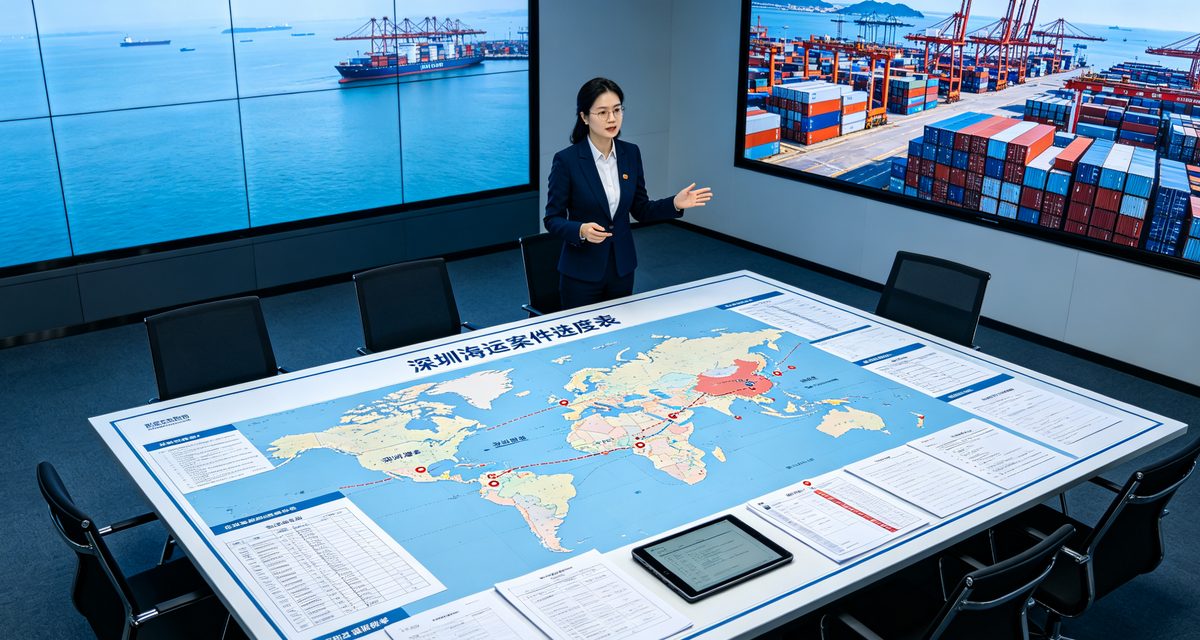
The APEC meeting will enhance Shenzhen's international influence, but enterprises inevitably encounter disputes in their foreign-related operations. Whether involving the sale of goods, service contracts, or intellectual property infringement, the resolution of foreign-related disputes is more complex than domestic litigation, raising issues such as jurisdiction, applicable law, and recognition and enforcement of judgments. Under Article 41 of the Law on the Application of Laws to Foreign-Related Civil Relations, the parties may agree by contract on the law applicable to the contract. Therefore, lawyers advise enterprises to clearly stipulate the governing law in their contracts, such as choosing Chinese law or Hong Kong law, to increase the predictability of outcomes.
In terms of dispute resolution methods, litigation and arbitration each have their own advantages and disadvantages. Litigation proceedings are public and may expose trade secrets; arbitration, on the other hand, offers strong confidentiality and a final award. For APEC-related disputes, we recommend choosing arbitration and designating the Shenzhen Court of International Arbitration as the arbitral institution. In recent years, the Shenzhen Court of International Arbitration has handled a large number of foreign-related commercial cases, with rules that align with international standards and support both Chinese and English. If an enterprise needs to enforce an arbitral award overseas, it may apply under the New York Convention, and Shenzhen courts have extensive experience in this regard.
In addition, Shenzhen enterprises can also take advantage of the APEC Business Travel Card (ABTC) under the APEC framework to quickly enter and exit the country to resolve disputes. But more fundamentally, enterprises should establish a full-process legal risk management system of "prevention beforehand, control during the process, and remedy afterwards." Guangdong Zhiming Law Firm can provide Shenzhen enterprises with foreign-related legal advisory services, including contract review, compliance training, risk assessment, and dispute representation. We believe that on the APEC stage, law is not only a constraint, but also the confidence for enterprises to go global.
Conclusion: With the spirit of the rule of law, we welcome guests from all directions.
APEC CHINA 2026 100-Day Countdown: Shenzhen Extends Its Invitation to the World. This city is defined by innovation as its soul, openness as its backbone, and the rule of law as its foundation. For enterprises in Shenzhen, APEC is both a window to showcase their strengths and an examination hall to test compliance. From intellectual property to data security, from contract management to labor practices, every aspect demands legal wisdom. Guangdong Zhiming Law Firm, deeply rooted in Shenzhen's legal services market, stands ready to walk hand-in-hand with enterprises, safeguarding every commercial dream under the favorable winds of APEC. Let us embrace this "miracle" appointment in the spirit of the rule of law.