Shenzhen Airport's Pre-Arrival Machine Inspection Speeds Up Entry to 15 Minutes: Analysis of Passenger Legal Risks and Key Points for Rights Protection
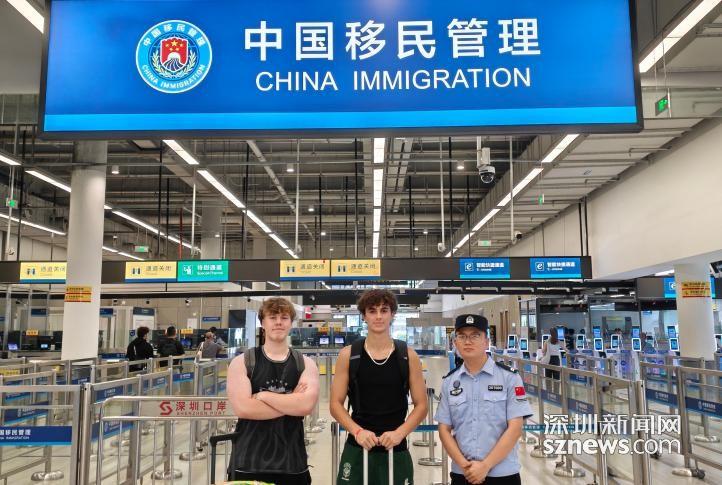
In August 2026, Shenzhen Bao'an International Airport announced the full implementation of the "pre-clearance inspection" model during the countdown phase to the APEC Summit, allowing international inbound passengers to skip queuing for baggage inspection after collecting their luggage and complete customs clearance in as fast as 15 minutes. This convenience measure aimed at improving efficiency appears on the surface to be merely a technological upgrade, but behind it lies a series of legal issues involving the exercise of customs supervision authority, passenger compliance obligations, and protection of personal rights. As a Shenzhen lawyer, I believe it is necessary to analyze from a legal practice perspective the specific impact this new model brings to ordinary travelers and cross-border business professionals, as well as how to respond when disputes arise.
The Legal Essence of Advance Machine Inspection: Administrative Compulsory Measures and the Forward Shift of Regulatory Power
Advance mechanical inspection is not merely a process optimization, but rather the customs authority's repositioning of the traditional "on-site inspection of passenger luggage" to the earlier baggage sorting stage. From a legal perspective, this constitutes an extension of the customs inspection power stipulated in Article 6 of the Customs Law of the People's Republic of China in terms of both time and space. Under this law, customs is authorized to conduct inspections of inbound and outbound means of transport, goods, and articles, and advance mechanical inspection is precisely the use of technical means to complete non-intrusive inspection before passengers come into contact with their luggage. The legal basis is sufficient, but the details of its implementation warrant caution.
In practice, when customs exercises its inspection authority, it must adhere to the principle of proportionality, meaning the inspection measures should be commensurate with the regulatory objectives. Pre-screening machine inspection uses X-ray machines and CT equipment, which are non-intrusive examinations with a lower degree of intervention on passengers' bodies and belongings, conforming to the "least intrusive" requirement under administrative law. However, when the intelligent image review system flags "high-risk luggage," customs will proceed to manual baggage opening inspection. In such cases, how are passengers' rights to be informed and to make representations safeguarded? Article 44 of the Administrative Punishment Law of the People's Republic of China stipulates that before making an administrative penalty decision, administrative organs shall inform the party of the proposed penalty content, facts, reasons, and basis, and inform the party of the rights they enjoy according to law, such as the right to make statements, to present defenses, and to request a hearing. If customs determines that a passenger's luggage contains prohibited items or goods subject to duty, it must fulfill the notification procedure, and the passenger has the right to request to view the inspection records and raise objections.
Shenzhen lawyer advises: Passengers should keep their boarding passes, baggage tags, and other vouchers. If stopped, they can ask on the spot about the basis for the inspection and write down the customs officer's badge number and the inspection process for future rights protection.
Balancing Passenger Cooperation Obligations and Personal Privacy: Red Lines Drawn by Law
Under the pre-screening inspection mode, travelers pass through "without feeling," but this does not mean their obligations are exempted. Article 12 of the Customs Law of the People's Republic of China clearly stipulates that inbound and outbound travelers have the obligation to accept customs supervision. Even if baggage has already been machine-inspected, travelers are still required to cooperate with re-inspection or provide declaration information when necessary. In practice, some travelers mistakenly believe that "once it passes the machine, everything is fine" and refuse to cooperate during random customs checks, which may result in a warning or fine as stipulated in Article 19 of the Implementation Regulations of the Customs Law of the People's Republic of China on Administrative Penalties.
Of greater concern is the issue of privacy rights. Luggage X-ray inspection can clearly reveal the shape, material, and even the internal structure of electronic devices, which involves travelers' freedom of communication and privacy rights. Article 1032 of China's Civil Code lists the right to privacy as a personal right of natural persons. Although customs inspection is an act of public authority, it should be limited to regulatory purposes and must not arbitrarily disclose passengers' luggage information. Shenzhen Airport Customs claims that "smart image analysis precisely targets high-risk luggage," but algorithmic judgments may contain errors. If ordinary passengers are frequently intercepted due to data misjudgment, they may, in accordance with the Personal Information Protection Law, request that customs explain the basis for processing and correct the erroneous information.
Shenzhen lawyer reminds: If passengers discover that their luggage is repeatedly inspected without reason during customs clearance, they may file a complaint with the superior department of the customs, or assert their rights through administrative reconsideration or administrative litigation. However, please note that the limitation period for litigation is six months from the date on which they know or should have known that their rights were infringed, so be sure to act promptly.
Legal Risks of "One-Time Inspection" for Outbound Passengers: Coordination of Powers Between Security Check and Customs
The news mentions that at the outbound checkpoint, Shenzhen Customs has introduced a "one-time inspection" that integrates customs supervision equipment with security screening X-ray machines. This appears convenient for travelers, but in fact involves the division of powers between two different administrative entities: security checks are responsible for aviation safety under the *Regulations on Civil Aviation Security Protection*, while customs is responsible for entry-exit supervision under the *Customs Law*. After the two are merged, passengers pass through the machine once, but the images must simultaneously meet the regulatory requirements of both. If a dispute arises (such as security determining an item is prohibited or customs determining an item is dutiable), the allocation of responsibility may become ambiguous.
For example, if a traveler takes a personal computer out of the country, and after passing security screening, customs believes that it should be declared for tax payment, to which authority should the traveler appeal? According to Article 2 of the Customs Law, customs is the supervisory and administrative authority for entry and exit, and has exclusive jurisdiction over the taxation of goods and the determination of prohibited items. A Shenzhen lawyer suggests that the traveler should first request a written determination from customs. If it involves a tax dispute, an administrative review may be applied for; if it involves a security screening dispute, the civil aviation administrative department should be contacted. In addition, under the one-time inspection model, the customs remote image analysis center may make judgments at different times. If the traveler disagrees with the result, they should retain the screening time and image number for future tracing.
It should be emphasized that the key compliance point in the departure process lies in the declaration obligation. Article 31 of the Customs Law requires passengers to truthfully declare the items they carry, and if the amount exceeds the prescribed limit, they should proactively declare it. As an international trade hub, Shenzhen sees frequent business travelers carrying samples and gifts. It is recommended to consult a lawyer in advance or review customs announcements to avoid penalties or confiscation due to negligence constituting "unauthorized carrying."
Implications for Ordinary Travelers and Enterprises: Legal Response Strategies under Efficiency Improvement
Pre-arrival mechanized inspection has improved clearance efficiency, but it has also compressed the time for passengers to communicate on-site. For ordinary travelers, this means greater emphasis on "pre-trip compliance." For example, when carrying sensitive items such as traditional Chinese medicines, cash, or electronic devices, travelers should familiarize themselves with customs limit regulations in advance and proactively declare when necessary. If purchasing high-value goods overseas, keep the shopping receipts for customs inspection when needed.
For enterprises, especially trading companies with frequent business travel, the efficiency of employee customs clearance directly impacts business costs. Shenzhen lawyers recommend that companies establish internal compliance guidelines for entry and exit, train employees to familiarize themselves with customs policies—particularly regarding samples and technical materials involving intellectual property protection—to avoid reputational damage caused by individual employee violations. Additionally, if company employees encounter improper inspections at the airport, they may contact legal counsel to intervene and protect their rights through administrative appeals or judicial procedures, rather than passively accepting penalties.
Guangdong Zhiming Law Firm has long focused on legal affairs at Shenzhen ports and has represented multiple customs administrative penalty reconsideration cases. We have observed that while intelligent supervision measures such as pre-inspection machines are an inevitable trend, travelers' awareness of their rights needs to be raised in tandem. If you encounter a dispute during customs clearance, it is advisable to first take photos to preserve evidence, record the time and location, and then consult a professional lawyer. We can assist in assessing the legality of administrative actions and formulating appeal strategies. After all, efficiency and rights are not opposed to each other; law is the best measure to balance the two.